TTD achieves 89.4% green cover in Tirumala; Chandrababu Naidu lauds effort
Synopsis
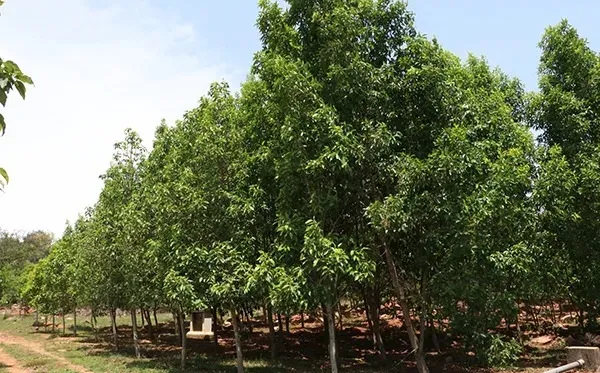
The TTD's forest department has turned 89.4% of its 2,719-hectare Seshachalam jurisdiction green — earning formal recognition in the India State of Forest Report and a public commendation from Andhra Pradesh CM Chandrababu Naidu. With a native-species restoration drive targeting 576 hectares still largely ahead, this milestone is a beginning, not a finish line.
Key Takeaways
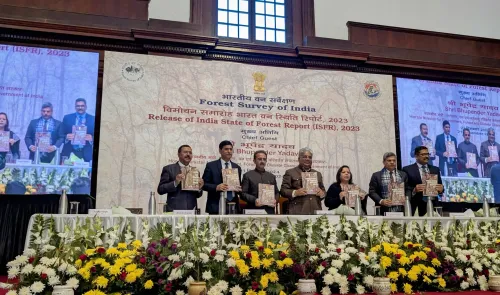
The Tirumala Tirupati Devasthanams (TTD) has achieved 89.4% forest cover across its 2,719-hectare jurisdiction, per the latest India State of Forest Report (ISFR) .
Nearly 2,431 hectares are under active forest vegetation, contributing to carbon storage, climate regulation, and biodiversity conservation.
Andhra Pradesh CM N.
Chandrababu Naidu congratulated the TTD on 18 May 2025 via a post on X .
The TTD's forest department has been protecting the Seshachalam Hills since 1980 , operating across four forest ranges .
A native-species restoration programme targeting 576 hectares is underway; 22 hectares have been completed so far, replacing exotic Acacia plantations.
Wildlife protection measures include saucer water pits for animals during summer and three snake rescue teams on constant alert.
The Tirumala Tirupati Devasthanams (TTD) has recorded an 89.4 per cent forest cover across its 2,719-hectare jurisdiction in the Seshachalam Hills, placing the temple body among the leading institutions in India for green cover, according to the latest India State of Forest Report (ISFR). Andhra Pradesh Chief Minister N. Chandrababu Naidu on Monday, 18 May congratulated the TTD on the milestone, calling forest protection 'a service to the divine.'
What the Numbers Show
Of the total 2,719 hectares under TTD limits, nearly 2,431 hectares are now under active forest vegetation — a figure that the ISFR has formally recognised. The achievement reflects decades of sustained effort: the TTD's forest department has been protecting the Seshachalam Hill ranges in the Eastern Ghats since 1980, maintaining ecological balance while simultaneously managing the spiritual infrastructure for millions of pilgrims annually.
Conservation Measures on the Ground
The TTD forest department operates across four forest ranges — two in Tirumala and two in Tirupati — each headed by a Forest Range Officer under the overall supervision of the Deputy Conservator of Forests. Round-the-clock flying squad teams patrol the area to prevent illegal tree felling and poaching. Every year, approximately 26.5 kilometres of fire lines are maintained to contain forest fires, with trained response teams on standby.
Restoring Native Species Over Exotic Plantations
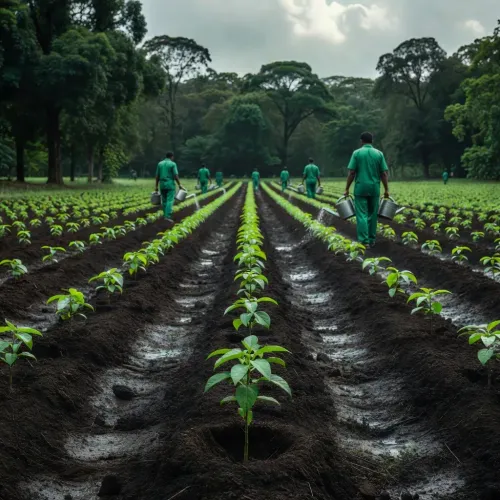
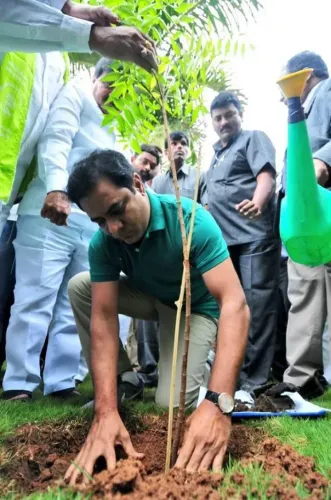
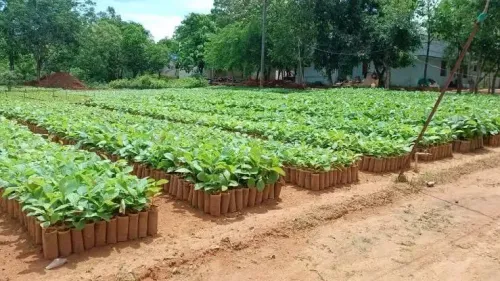
A flagship biodiversity initiative is underway to replace exotic Acacia plantations with native vegetation across 576 hectares, of which 22 hectares have been completed so far. Native species being planted include peepal, banyan, cluster fig, sandalwood, red sanders, champak, mango, gooseberry, and jamun. Special nurseries across all four ranges supply saplings for these restoration drives, covering ornamental and medicinal plants as well.
Wildlife Protection and Human-Animal Conflict
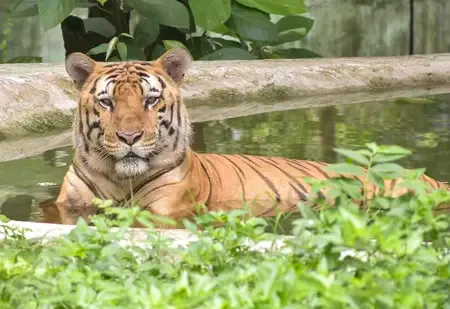
The Seshachalam forests are home to elephants, leopards, bears, and various snake species. To reduce human-wildlife conflict, the TTD has installed saucer pits — water reservoirs filled regularly during summer — to prevent animals from straying into human settlements in search of water. Additionally, three snake rescue teams remain on constant alert within the queue-line premises to handle human-snake encounters.
What Naidu Said
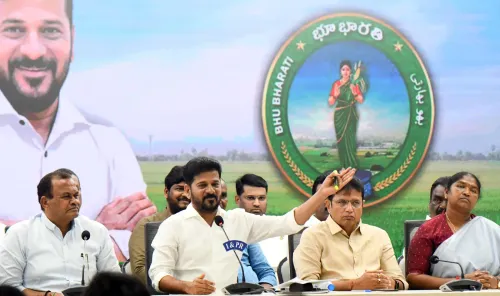
Chief Minister Naidu, in a post on X, said: 'Our traditions regard nature as sacred, and protecting forests and wildlife is a service to the divine. I appreciate these efforts, which will help preserve a greener and healthier Tirumala for future generations.' The Chief Minister specifically highlighted the TTD's role in restoring native species in the Seshachalam Hills through sustained conservation measures.
With the native species restoration programme still covering only 22 of the targeted 576 hectares, the bulk of the ecological work lies ahead — but the ISFR recognition signals that the foundation is firmly in place.
Point of View
Suggesting the headline number reflects legacy forest protection more than active ecological transformation. The replacement of Acacia monocultures with native biodiversity is the harder, more consequential work — and it is still largely unfinished.
NationPress
22 Sept 2026
Frequently Asked Questions
What is the TTD's forest cover achievement in Tirumala?
The Tirumala Tirupati Devasthanams (TTD) has recorded 89.4% forest cover across its 2,719-hectare jurisdiction in the Seshachalam Hills, as recognised by the latest India State of Forest Report (ISFR). Nearly 2,431 hectares are under active forest vegetation.
Why did Chandrababu Naidu congratulate the TTD?
Andhra Pradesh Chief Minister N. Chandrababu Naidu congratulated the TTD on 18 May 2025 for achieving the 89.4% green cover milestone through sustained conservation and native species restoration efforts. He called forest protection 'a service to the divine,' linking it to the region's cultural and spiritual traditions.
How long has the TTD been managing forests in Seshachalam?
The TTD's forest department has been protecting the Seshachalam Hill ranges since 1980, maintaining ecological balance alongside its role as manager of the Tirumala temple complex. It operates four forest ranges — two in Tirumala and two in Tirupati.
What wildlife lives in the Seshachalam forests managed by TTD?
The Seshachalam forests are home to elephants, leopards, bears, and various snake species. The TTD manages human-wildlife conflict through saucer water pits during summer and three dedicated snake rescue teams stationed at the queue-line premises.
What is the TTD's native species restoration programme?
The TTD is replacing exotic Acacia plantations with native vegetation across a targeted 576 hectares. Species being planted include peepal, banyan, sandalwood, red sanders, mango, and jamun. As of the latest update, 22 hectares have been completed.