US-Iran Negotiations: Expert Weighs In on Inconclusive Talks
Synopsis
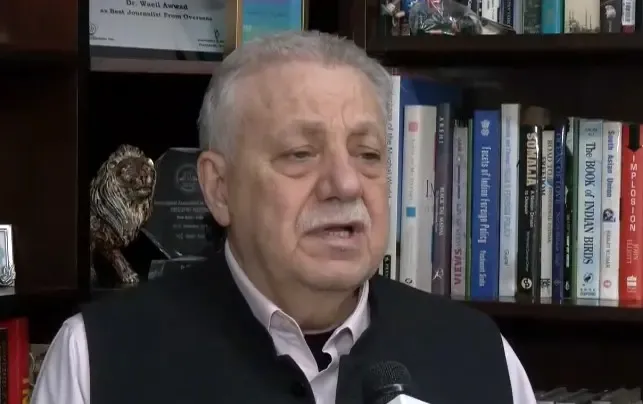
In a recent interview, foreign affairs expert Waiel Awwad addressed the inconclusive negotiations between the US and Iran during a ceasefire period. With several key issues remaining, he emphasizes the importance of compromise for both nations moving forward.
Key Takeaways
The talks between the US and Iran are considered inconclusive.
Three main issues: nuclear program, Strait of Hormuz, and ceasefire.
Iran proposed 10 points; the US presented 15 points.
Pakistan's enforcement capability in negotiations is limited.
Compromise is essential for a successful agreement.
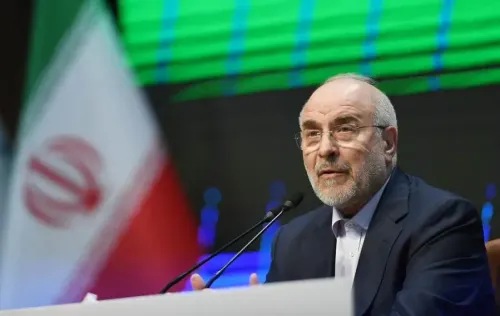
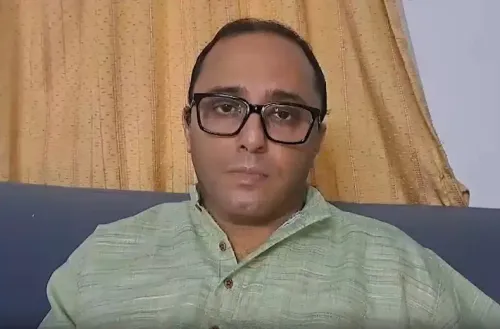
New Delhi, April 12 (NationPress) Foreign Affairs specialist and seasoned journalist Waiel Awwad stated on Sunday that the recent discussions between Iran and the US, which took place during a two-week ceasefire, have not been labeled as a "failure". Instead, he categorized the negotiations as "inconclusive".
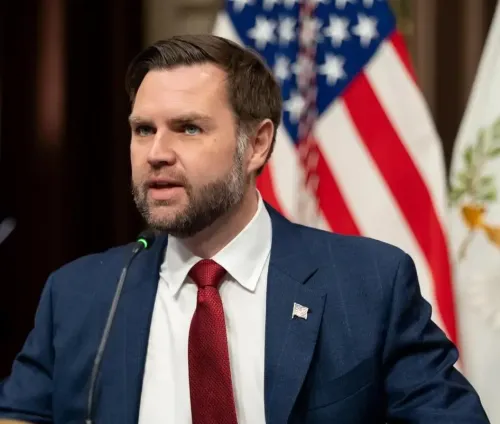
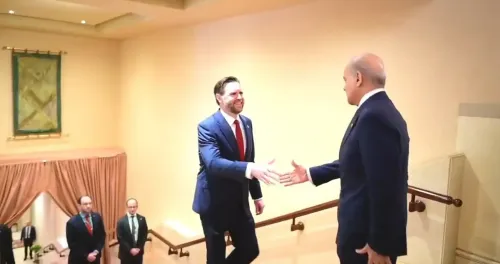
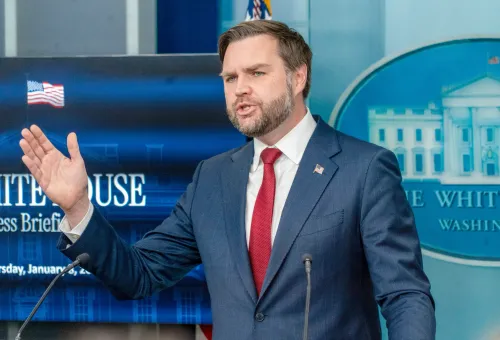
Awwad's comments followed an announcement from US Vice-President JD Vance, indicating that no consensus was reached in the latest round of discussions held in Islamabad, Pakistan.
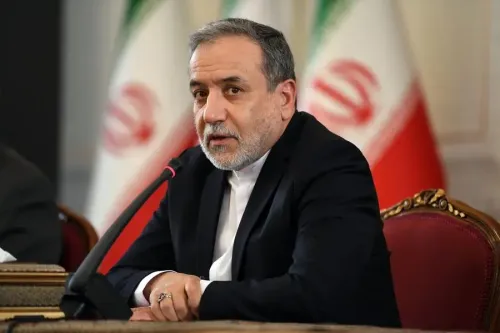
In an interview with IANS, Awwad remarked that this represents the "highest level of discussions" since 1949, with the US Vice-President engaging with the Iranian delegation to deliberate on mutual interests.
He emphasized, "I wouldn't classify it as a failure, as neither party has claimed so. It remains inconclusive. Both sides have found common ground on certain matters, with Iran proposing 10 points and the US introducing 15 points."
Awwad noted that the US aimed to portray itself as victorious during these talks.
"Both sides were at the table, but the US wanted to adopt a winner's perspective. Iran countered that 'you are not the winner here'. Consequently, a convergence on specific points where agreement has been reached is essential," he elaborated.
He identified three primary "sticking issues" at the core of the ceasefire discussions.
"The first is the nuclear issue. Iran has already modified its system," Awwad pointed out.
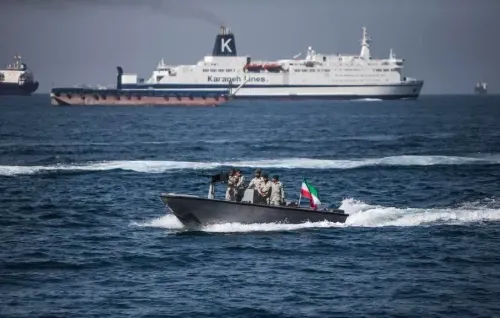
He labeled the Strait of Hormuz as the second critical issue.
"Iran has indicated that the situation is not as it was prior to the conflict. Changes have occurred," Awwad stated.
"The third issue pertains to the cessation of all hostilities, necessitating a complete ceasefire rather than a temporary one," he added.
Regarding Pakistan's involvement in the negotiations, Awwad remarked that the country currently lacks the capacity to "enforce a resolution or an agreement".
Furthermore, he underscored that for the US to genuinely pursue a deal, they must engage in discussions and "compromise on various issues, given that Iran has already made concessions concerning their nuclear program".
Referencing the third round of indirect nuclear negotiations between the US and Iran in Geneva, Awwad noted, "At that time, the US was informed that Iran was open to any agreement to limit their enriched uranium levels."
He alleged that US President Donald Trump's special envoy, Steve Witkoff, returned to America and disseminated "incorrect information, despite confirmations from the Omani and British National Security Advisors that the talks had reached a significant breakthrough".
"Yet, the US opted for military action," Awwad stated.
He concluded, "Iranians are not easily deceived for the third time by the same parties."
Point of View
Experts highlight the importance of dialogue and compromise in resolving longstanding issues. A cautious approach is necessary as both nations navigate these challenging waters, prioritizing peace and stability.
NationPress
19 Sept 2026
Frequently Asked Questions
What was the outcome of the recent US-Iran talks?
The talks were deemed inconclusive, with both sides agreeing on certain points but failing to reach a complete agreement.
What are the main issues discussed in the negotiations?
The primary sticking issues include the nuclear program, the situation in the Strait of Hormuz, and the need for a complete ceasefire.
What role did Pakistan play in the negotiations?
Pakistan's role was mentioned, but it was noted that the country is not in a position to enforce a resolution or deal.
Why is the US-Iran relationship important?
The US-Iran relationship is crucial due to its impact on regional stability, security, and global geopolitical dynamics.
What did Waiel Awwad say about the US's approach to the talks?
Awwad suggested that the US wanted to portray itself as a winner in the negotiations, which could hinder progress.