EU warns it will 'keep options open' as Trump hikes car tariffs to 25%
Synopsis
Trump's decision to hike EU car tariffs to 25% — citing non-compliance with a joint trade statement — has drawn a measured but pointed warning from Brussels. The EU insists it is meeting its commitments; Washington says otherwise. With billions in automotive trade at stake, this dispute could escalate into a full-blown transatlantic trade conflict.
Key Takeaways
The EU warned it will "keep options open" if the US takes measures inconsistent with their joint trade statement.
President Trump raised tariffs on EU cars and trucks to 25 per cent , accusing the bloc of non-compliance.
The EU-US joint statement required the EU to suspend tariffs on US industrial goods; in return, the US agreed to a 15 per cent tariff on most EU goods.
Trump claimed over $100 billion in new US car plant investments, citing the tariff policy as a driver.
Brussels says it has kept the US administration fully informed and is seeking clarity on Washington's own commitments under the deal.
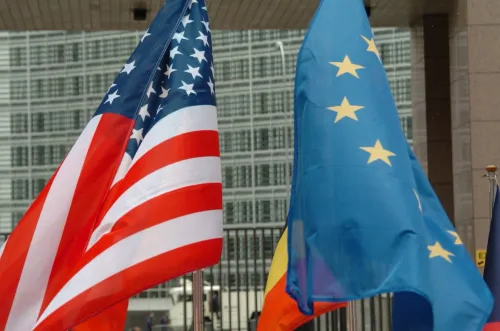
The European Union (EU) has warned it will "keep options open" to protect its interests if the United States takes measures inconsistent with the joint trade statement signed between the two sides last year, a European Commission spokesperson said on 2 May. The warning follows US President Donald Trump's decision to raise tariffs on cars and trucks imported from the EU to 25 per cent, accusing the bloc of failing to comply with an existing trade agreement.
What the EU Said
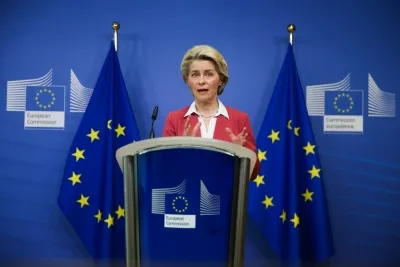
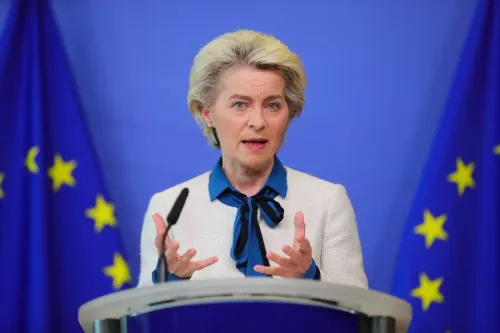
"We remain fully committed to a predictable, mutually beneficial transatlantic relationship. Should the US take measures inconsistent with the Joint Statement, we will keep our options open to protect EU interests," the European Commission spokesperson said, according to remarks attributed to the official.
The spokesperson also maintained that the EU is implementing its joint statement commitments "in line with standard legislative practice" and has kept the US administration fully informed throughout. The bloc said it maintains close contact with its US counterparts while also seeking clarity on Washington's own commitments under the deal.
Trump's Tariff Announcement
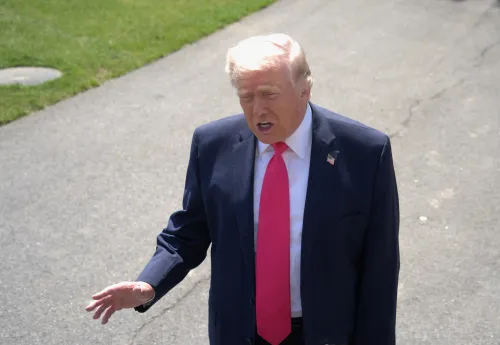
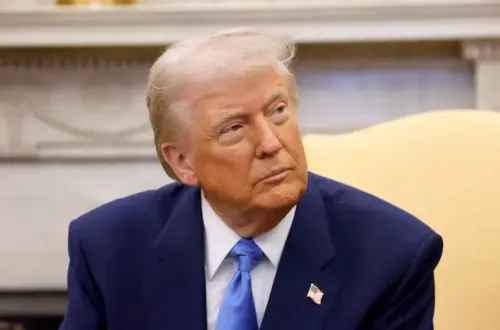
President Trump on Friday confirmed the tariff hike on EU cars and trucks, stating he had raised them to 25 per cent because "the European Union was not adhering to the trade deal we have." Speaking to reporters before departing on Marine One, Trump said the move was aimed at pushing manufacturers to shift production to the United States.
"I raised the tariffs on cars and trucks to 25 per cent. That's billions of dollars coming into the United States and it forces them to move their factory production much faster," Trump said. He cited investments from Japan, South Korea, Canada, and Mexico, claiming the US currently has over $100 billion of car plants being built — "a record," according to him.
What the Joint Statement Covered
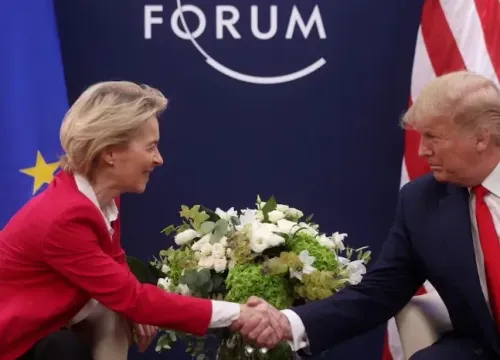
The EU-US trade deal reached last year provided that the EU would suspend tariffs on all US industrial products and introduce tariff-rate quotas for a wide range of US agri-food products entering the EU market. In return, the United States agreed to apply a 15 per cent import tariff on most EU goods. The two sides framed the arrangement as a step toward reciprocal, fair, and balanced trade.
This comes amid broader transatlantic trade tensions that have periodically flared since Trump's first term, when the US imposed steel and aluminium tariffs on EU imports. Notably, the latest escalation specifically targets the automotive sector — one of the EU's most significant export industries to the US, with Germany, Italy, and Sweden among the most exposed economies.
What Happens Next
The EU has not yet specified what retaliatory or protective measures it may deploy, but the use of the phrase "keep options open" signals that Brussels is not ruling out countermeasures. Analysts note that the bloc has previously prepared lists of US goods subject to retaliatory levies during past trade disputes. The trajectory of negotiations will likely depend on whether the US proceeds with the tariff hike as announced or returns to the table for further talks.
Point of View
While Trump publicly accuses the bloc of breach without detailing the specific commitments allegedly violated. That gap matters legally and politically. If the US proceeds with the 25% automotive tariff, it directly undermines the joint statement's architecture — raising the question of whether the deal was ever a durable framework or simply a pause in hostilities. For India and other third-party exporters, a deepening EU-US trade war reshapes global supply chains and creates both risk and opportunity in automotive and industrial goods.
NationPress
7 Oct 2026
Frequently Asked Questions
Why did Trump raise tariffs on EU cars and trucks to 25%?
President Trump raised tariffs on EU cars and trucks to 25 per cent, citing the EU's alleged failure to comply with a joint trade statement signed between the two sides last year. He also framed the move as a way to push automotive manufacturers to shift production to the United States.
What is the EU-US joint trade statement?
The joint statement is a trade framework under which the EU agreed to suspend tariffs on all US industrial products and introduce tariff-rate quotas for US agri-food products. In return, the US committed to applying a 15 per cent import tariff on most EU goods, framing the deal as reciprocal and balanced.
How has the EU responded to Trump's tariff hike?
The European Commission said it will 'keep options open' to protect EU interests if the US acts inconsistently with the joint statement. Brussels maintained it is implementing its commitments in line with standard legislative practice and has kept the US administration informed throughout.
Which industries are most affected by the 25% EU car tariff?
The automotive sector is the primary target, with major EU car-exporting nations such as Germany, Italy, and Sweden among the most exposed. The tariff hike affects cars and trucks imported from the EU into the United States.
Could the EU retaliate against the US tariffs?
The EU has not announced specific retaliatory measures but has signalled it is keeping all options open. In past trade disputes with the US, Brussels has prepared lists of American goods subject to counter-tariffs, suggesting a similar response is possible if negotiations fail.