Is the US Set to Eliminate the 25% Tariff on India's Russian Oil Imports?
Synopsis
The U.S. plans to eliminate a hefty 25% tariff on Russian oil, coinciding with India's promise to cease such purchases. This pivotal agreement, reached between Trump and Modi, marks a significant shift in trade relations and energy cooperation. Discover how this decision could reshape global energy dynamics and further U.S.-India ties.
Key Takeaways
U.S. drops 25% tariff on Russian oil linked to India.
India agrees to stop purchasing Russian crude .
Trade relations expected to improve with reduced tariffs .
Energy cooperation is a key aspect of U.S.-India relations .
Ongoing negotiations may lead to enhanced economic ties .
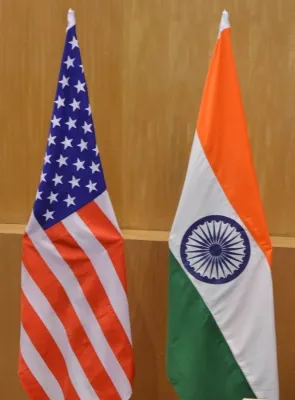
Washington, Feb 2 (NationPress) The United States is poised to eliminate a 25 percent tariff associated with Russian oil imports, following India's commitment to halt its crude purchases from Russia, according to the White House's announcement on Monday.
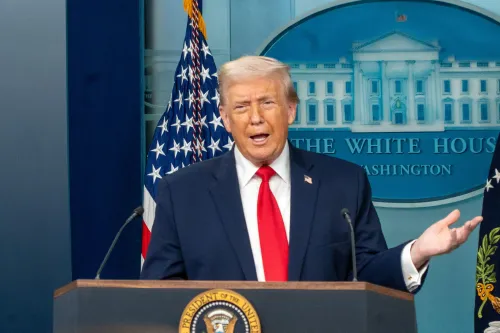
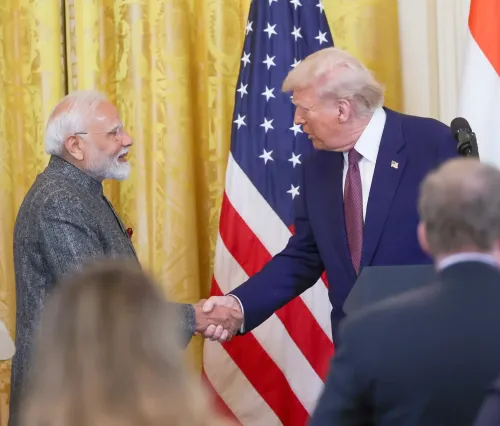
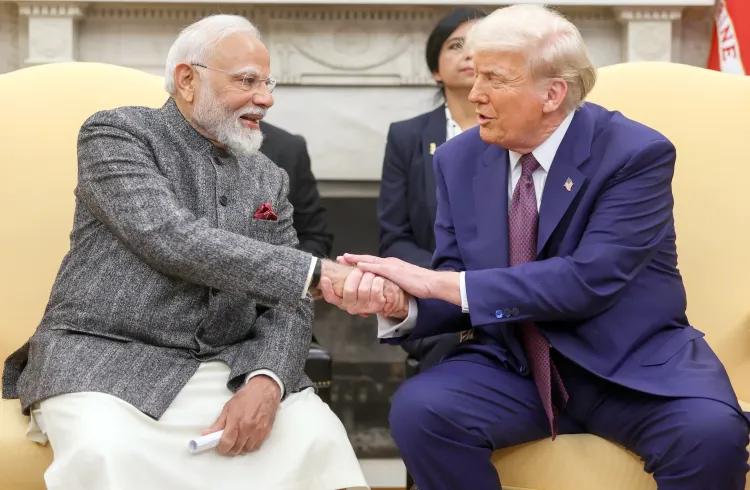
A White House representative informed IANS, "In accordance with India's commitment to cease Russian oil imports, the 25 percent tariff related to Russian oil will be rescinded." This news came after President Donald Trump and Prime Minister Narendra Modi discussed a significant trade agreement during a phone call.
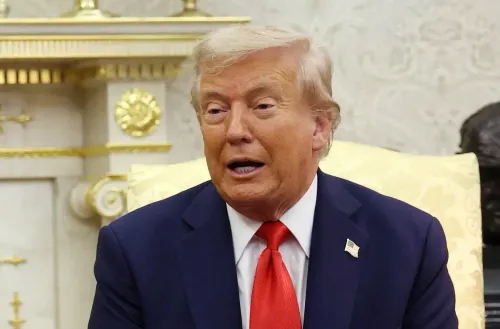
In a comprehensive post on Truth Social, Trump remarked that this agreement will instantly lower the US reciprocal tariff rate on Indian goods from 25 percent to 18 percent, describing it as a pivotal transformation in trade relations tied to energy collaboration and broader geopolitical objectives.
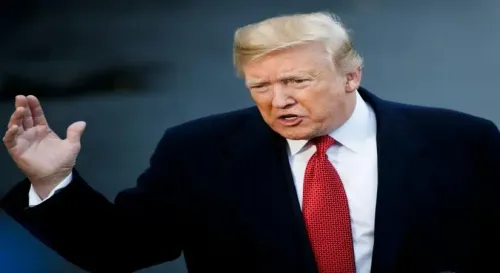
Trump mentioned that the two leaders addressed various topics, including trade and the ongoing conflict between Russia and Ukraine. He asserted that PM Modi consented to stop procuring Russian oil and to potentially increase oil imports from the United States and Venezuela.
PM Modi expressed his enthusiasm on X, stating, "Thrilled that 'Made in India' products will now benefit from a reduced tariff of 18 percent." He further added, "When two significant economies and the world's largest democracies unite, it benefits our citizens and opens immense avenues for mutually advantageous collaboration."
A senior administration official, speaking on condition of anonymity, informed IANS that the 25 percent additional tariff was directly related to India's acquisition of Russian oil and will now be revoked following New Delhi's pledge to end such imports.
This decision aligns trade policy with energy and geopolitical aims, highlighting Washington's strategy to utilize economic instruments to diminish Russia's oil export revenue amid the ongoing conflict in Ukraine.
Since the onset of the conflict, the United States has urged its allies and partners to reduce or eliminate purchases of Russian energy, asserting that oil revenues contribute to financing Moscow's military endeavors.
India has emerged as a significant buyer of discounted Russian crude oil since the onset of the war, significantly boosting imports to satisfy domestic energy demands. Indian officials have consistently conveyed that energy choices are influenced by national interests and market dynamics.
Simultaneously, India has advocated for a resolution to the conflict through dialogue and diplomacy while maintaining engagement with both Russia and Western allies.
The White House's clarification coincides with ongoing efforts between India and the United States to enhance broader trade and investment relations. Officials from both sides have indicated that negotiations are approaching a conclusive phase, though no formal announcement has been made by New Delhi.
Energy cooperation has evolved into a vital component of the bilateral relationship. The United States has significantly ramped up oil and gas exports to India in recent years, establishing itself as a dependable long-term supplier.
The tariff decision is expected to garner close attention from Indian policymakers and industry stakeholders, especially refiners and exporters, as well as global energy markets monitoring shifts away from Russian crude oil.
Earlier on Monday, the Ministry of External Affairs announced that External Affairs Minister S. Jaishankar will be traveling to Washington this week to take part in the Critical Minerals Ministerial convened by U.S. Secretary of State Marco Rubio.
The Ministerial will focus on enhancing supply chain resilience, facilitating clean energy transitions, and fostering strategic cooperation in critical minerals, as stated by the ministry.
Jaishankar is also set to engage with senior U.S. administration officials during his visit, amid a broader initiative to strengthen collaboration on trade, energy security, and strategic supply chains.
Over the past decade, India-U.S. relations have consistently expanded across defense, technology, and economic sectors. Both nations have characterized their partnership as one of the most consequential for the foreseeable future, with trade and energy likely to remain central to the agenda.
Point of View
I view this development as a crucial step in U.S.-India relations. This agreement not only reflects the growing partnership in trade and energy but also underscores the geopolitical implications of aligning energy policies amid global tensions. It is vital to remain vigilant and informed as these discussions evolve.
NationPress
19 Sept 2026
Frequently Asked Questions
What is the significance of the U.S. dropping the tariff?
The U.S. dropping the tariff signifies a strategic move to strengthen trade ties with India, while also attempting to curb Russia's oil revenue amidst the ongoing Ukraine conflict.
How does this affect Indian oil imports?
This agreement will encourage India to cease purchasing Russian oil, potentially increasing imports from the U.S. and other countries.
What are the implications for U.S.-India relations?
This tariff reduction could enhance U.S.-India relations, opening doors for more substantial economic cooperation in energy and trade.
Why is this important for global energy markets?
This decision is significant as it reflects shifting dynamics in global energy markets, especially as nations seek alternatives to Russian crude.
What role does India play in global energy procurement?
India has become a major buyer of discounted Russian crude, and its shift in purchasing could influence global oil supply and prices.