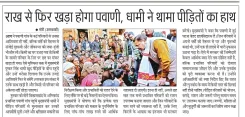
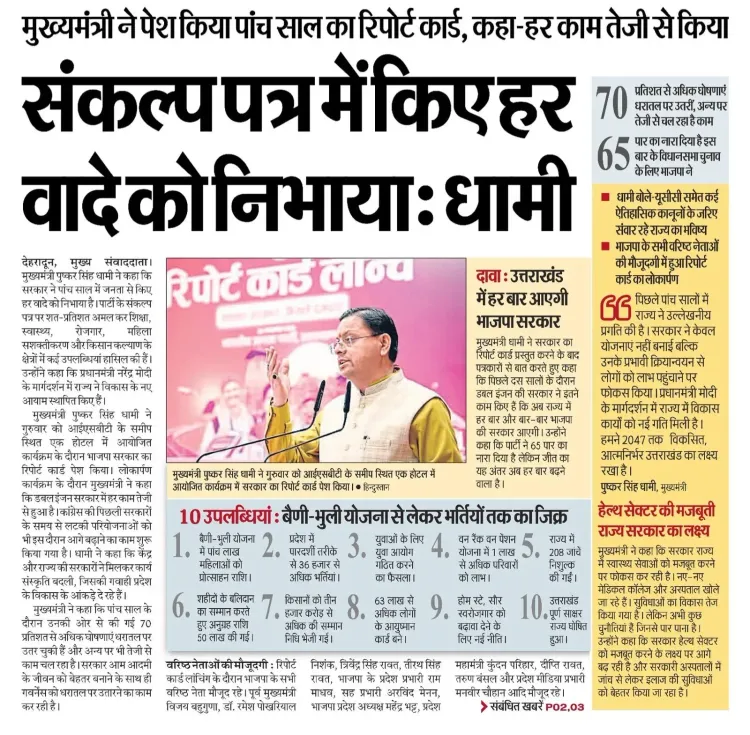
Uttarakhand CMO showcases five-year report card headlines
Synopsis
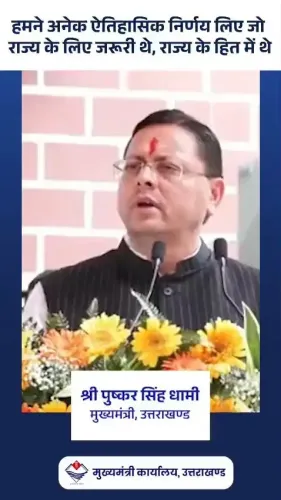
The Uttarakhand CMO on 27 November 2026 shared newspaper headlines as the report card of five years of state government work under Chief Minister Pushkar Singh Dhami, whose BJP-led administration took office after the March 2022 polls.
Key Takeaways
The Chief Minister's Office of Uttarakhand on 27 November 2026 posted newspaper headlines as a five-year report card of state government work.
The Hindi message translated as: Newspaper headlines on the report card of five years of work of the state government.
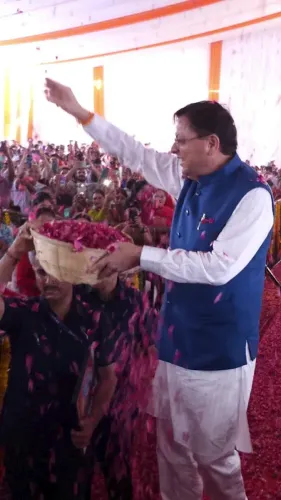
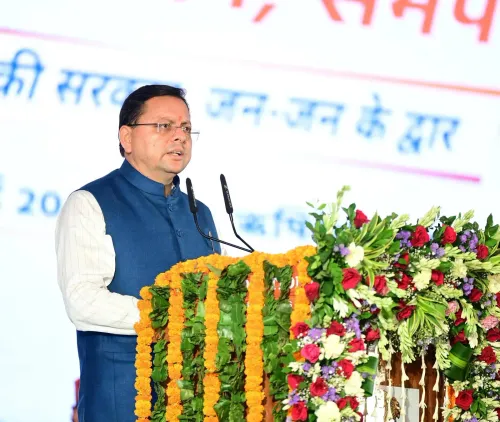
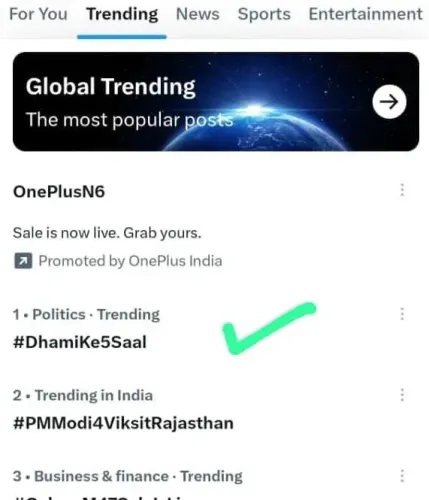
The post was accompanied by five images.
Pushkar Singh Dhami has been Chief Minister of Uttarakhand since 2021 ; the BJP-led government took office after the March 2022 Assembly elections.
The CMO did not publish scheme-wise figures or a detailed performance document in the post.
Five years of work, packed into a sheaf of front pages. The Chief Minister's Office of Uttarakhand on 27 November 2026 put those newspaper headlines at the centre of its message, calling them the report card of the state government.
The Hindi post was brief: Rajya sarkar ke panch varshon ke karyon ke report card par akhbaron ki surkhiyan (Newspaper headlines on the report card of five years of work of the state government). Five images rode with the text — clippings the office presented as the public face of its tenure.
Dhami's government frames a five-year scorecard
Pushkar Singh Dhami has led Uttarakhand as Chief Minister since 2021, heading a BJP administration that took office after the March 2022 Assembly elections. Tourism, hydropower and the pilgrimage economy sit at the core of the Himalayan state's pitch. The CMO's post did not list projects, outlays or targets. It let the headlines stand in for a ledger.
That is a political choice as much as a communications one. A report card is a claim about time: what moved, what stalled, and who gets credit before the next verdict of voters.
The clipping-file as a governing habit
Chief minister offices across Indian states routinely harvest favourable coverage of multi-year performance in infrastructure, welfare and administration, then recirculate it on official channels. The pattern is familiar. Positive ink is treated as a public asset.
What this message does not supply is the underlying data — no scheme-wise tally, no fiscal table, no independent audit. Residents in the hills and the plains are left to match the headlines against power, roads, jobs, landslides and pilgrimage crowds.
The next test of that narrative will not be a clipping. It will be whether the coming legislative session puts numbers under those headlines — and whether people in Uttarakhand recognise the same report card.
Point of View
In office since the 2022 mandate, is using earned media rather than a white paper to frame achievement. The missing piece is the ledger — infrastructure, welfare and disaster-management claims will need numbers if they are to survive opposition scrutiny. Watch the coming Assembly session for whether a detailed performance paper or budget follows the clippings.
NationPress
27 Nov 2026
Frequently Asked Questions
What did the Uttarakhand CMO post on 27 November 2026?
The Chief Minister's Office of Uttarakhand shared newspaper headlines it described as the report card of five years of work of the state government, along with five images. The original Hindi line called those headlines the report card of the state government's five-year work.
Who is the Chief Minister of Uttarakhand?
Pushkar Singh Dhami is the Chief Minister of Uttarakhand. He has held the office since 2021 and heads the BJP-led state government.
When did the current BJP government take office in Uttarakhand?
The BJP-led government assumed office in Uttarakhand after the March 2022 Assembly elections. Dhami had already been Chief Minister since 2021.
Did the CMO release detailed five-year performance data in the post?
No. The post pointed to newspaper headlines and images and did not list scheme-wise figures, fiscal tables or an independent audit. A fuller performance paper could still appear in a later legislative or budget exercise.
Why do state governments share newspaper headlines on official handles?
Indian state governments routinely highlight positive media coverage of multi-year work in infrastructure, welfare and administration. Official handles treat that coverage as a way to communicate achievements to residents without issuing a full white paper.