CM Dhami declares public holiday on Mahanavami, Oct 19
Synopsis
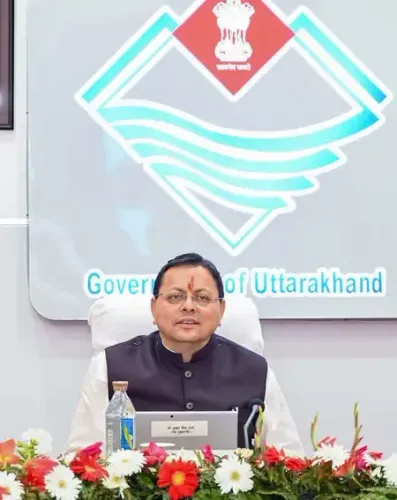
Chief Minister Pushkar Singh Dhami has declared 19 October 2026 a public holiday in Uttarakhand for Mahanavami, the ninth day of Sharadiya Navratri, and extended greetings to residents while reaffirming the state's commitment to cultural heritage preservation.
Key Takeaways
Monday, 19 October 2026 is a public holiday across Uttarakhand on the occasion of Mahanavami .
The holiday was declared on the directive of Chief Minister Pushkar Singh Dhami .
Mahanavami is the ninth and culminating day of Sharadiya Navratri , dedicated to the worship of Goddess Durga .
CM Dhami described Navratri as a symbol of feminine strength, faith, and societal harmony.
The state government reaffirmed its commitment to preserving Uttarakhand's cultural heritage for future generations.
The announcement was made on 17 October 2026 , two days before the holiday.
On the ninth and most sacred day of Sharadiya Navratri, Uttarakhand will go quiet — by government order. The Chief Minister's Office of Uttarakhand announced on Saturday, 17 October 2026 that Chief Minister Pushkar Singh Dhami has directed a public holiday across the state on Monday, 19 October 2026, coinciding with Mahanavami.
What the CM said — and why Mahanavami was chosen
Extending greetings to residents of the state, CM Dhami said that matri shakti — the power of the divine feminine — 'holds a revered place in Indian culture and traditions.' He described Navratri as 'a symbol of feminine strength, devotion, faith, and reverence,' adding that the festival reminds society of the honour, capability, and vital role of women.
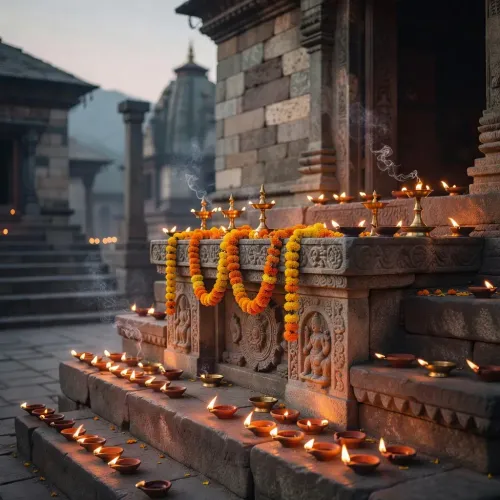
Mahanavami, the ninth day of Navratri, is traditionally the culmination of the festival's worship of Goddess Durga — the day when rituals are at their most intense and community participation peaks. Declaring it a public holiday allows state employees and residents to observe the day without administrative constraints.
Cultural heritage as a governance commitment
The CM went further than a routine holiday notification. He framed the announcement as part of a broader state commitment: 'Indian culture and traditions are the identity of our rich heritage. Our festivals strengthen cultural roots while also reinforcing faith, harmony, and unity in society.' He added that the state government is 'committed to preserving and promoting the rich cultural heritage of the state and passing its values to future generations.'
Uttarakhand, home to some of Hinduism's most significant pilgrimage sites — from Kedarnath to Haridwar — has consistently positioned cultural preservation as a governance priority under Dhami's leadership since 2021. Holiday declarations for major Hindu festivals have been a recurring feature of the state's administrative calendar.
Who benefits — and what it signals
The holiday directly affects state government employees and public institutions across Uttarakhand. For the wider population, it formalises what is already a high-participation festival day, easing attendance at temples and community gatherings. The messaging around nari shakti — women's power — mirrors a broader political vocabulary that BJP-led state governments have woven into festival communications in recent years.
The announcement lands two days before the holiday itself, giving residents and offices adequate notice to plan.
As Uttarakhand prepares to mark Mahanavami with a full state holiday, the question the administration has implicitly answered is: when tradition and governance calendar collide, the state will move the calendar.
Frequently Asked Questions
Is 19 October 2026 a public holiday in Uttarakhand?
Yes. Chief Minister Pushkar Singh Dhami has declared Monday, 19 October 2026 a public holiday in Uttarakhand on the occasion of Mahanavami, the ninth day of Sharadiya Navratri.
What is Mahanavami and why is it significant?
Mahanavami is the ninth day of Navratri, considered the most sacred day of the festival. It marks the culmination of the worship of Goddess Durga and sees peak ritual observance and community participation across India.
Who announced the Mahanavami holiday in Uttarakhand?
The holiday was announced by the Chief Minister's Office of Uttarakhand on the directive of Chief Minister Pushkar Singh Dhami on 17 October 2026.
Does Uttarakhand regularly declare public holidays for Hindu festivals?
Yes. Uttarakhand governments have a consistent practice of declaring public holidays for major Hindu festivals including Navratri, and the current administration under CM Dhami has positioned cultural heritage preservation as a governance priority.
What did CM Dhami say about Navratri and women's empowerment?
CM Dhami said that matri shakti — the divine feminine — holds a revered place in Indian culture, and that Navratri is a symbol of feminine strength, faith, and devotion that reminds society of the honour and vital role of women.