CM Uttarakhand Office Pushes Solid Waste Management Drive
Synopsis
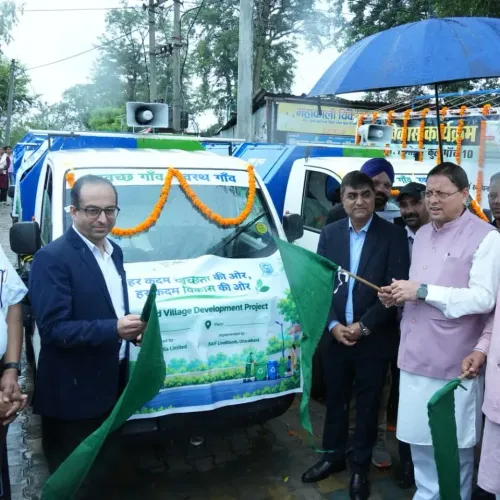
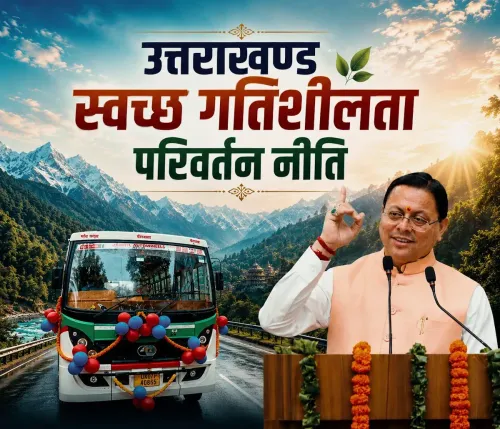
The Chief Minister's Office of Uttarakhand has signalled a stronger push on solid waste management and sanitation, linking the drive to the state's broader 'Viksit Uttarakhand' development agenda. The move builds on the national Swachh Bharat Mission framework and the 2016 Solid Waste Management Rules.
Key Takeaways
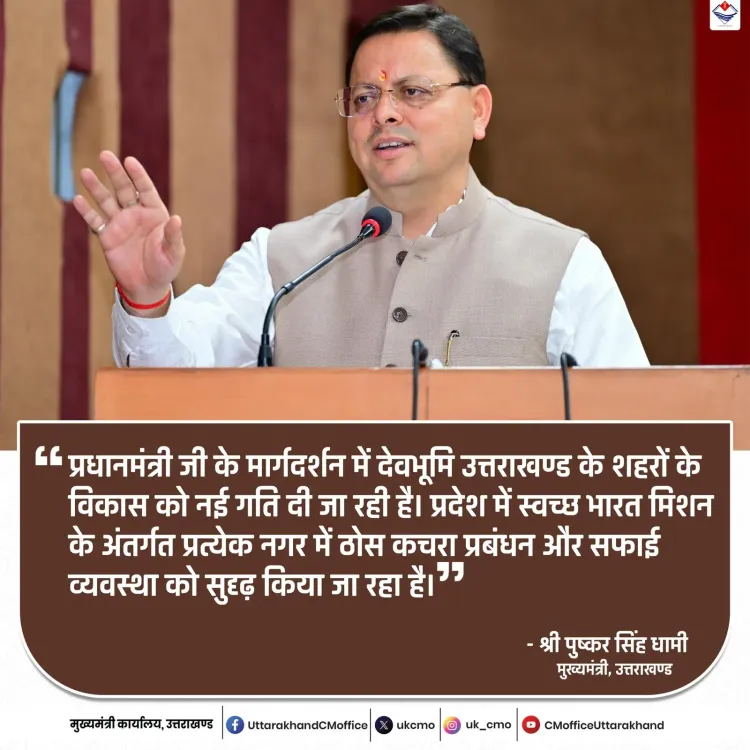
The Chief Minister's Office of Uttarakhand on June 6, 2026 , announced that solid waste management and sanitation systems in the state are being strengthened.
The campaign is framed under the dual banner of Clean Uttarakhand and Developed Uttarakhand .
Uttarakhand's hill towns and pilgrimage centres face above-average waste management challenges due to high tourist and pilgrim footfall.
The push aligns with the Swachh Bharat Mission (2014) and the Solid Waste Management Rules, 2016 , which mandate source segregation and scientific disposal by urban local bodies.
Annual Swachh Survekshan rankings serve as a key benchmark for measuring state-level progress on urban cleanliness.
Improved waste management in Uttarakhand also carries downstream ecological significance for Ganga river systems.
The Chief Minister's Office of Uttarakhand on Saturday, June 6, 2026, signalled a renewed push to strengthen solid waste management and sanitation infrastructure across the state, framing the initiative as central to the vision of a developed and clean Uttarakhand.
The official post stated: 'Uttarakhand mein thos kachra prabandhan aur safai vyavastha ho rahi sudridh' ('Solid waste management and sanitation systems in Uttarakhand are being strengthened'), adding that the campaign for a Clean Uttarakhand alongside a Developed Uttarakhand is gaining momentum.
Context
Uttarakhand's geography makes waste management a persistent challenge. The state's hill towns and pilgrimage corridors — including Haridwar, Rishikesh, Kedarnath, and Badrinath — absorb millions of tourists and pilgrims annually, generating waste volumes that strain municipal capacity. Urban local bodies in hilly terrain face additional logistical hurdles in collection, transportation, and scientific disposal that flatland cities do not. The state's push aligns with the broader national framework under the Swachh Bharat Mission, launched in 2014, which set sanitation and solid waste infrastructure as flagship development priorities for all states and union territories.Policy Backdrop
The Solid Waste Management Rules, 2016, notified by the Ministry of Environment, Forest and Climate Change, placed a binding obligation on urban local bodies to implement source segregation, scientific processing, and safe disposal of municipal solid waste. States were required to develop city-level action plans integrating these mandates into their urban development frameworks. Uttarakhand, as a state with a significant tourism economy, has faced particular scrutiny in annual Swachh Survekshan rankings, which assess cities on cleanliness, waste processing capacity, and citizen feedback. Improving performance in these rankings has become a reputational as well as administrative priority for successive state governments.Stakeholders and Impact
Urban local bodies across Uttarakhand are the primary implementing agencies for any strengthened waste management regime. Residents of hill towns stand to benefit directly from improved collection frequency, reduced open dumping, and cleaner public spaces. The tourism and hospitality sector also has a direct stake: the cleanliness of pilgrimage routes and hill stations is a key factor in visitor experience and repeat footfall. Environmental groups have long flagged the risk of unmanaged waste entering river systems in the state, particularly the Ganga and its tributaries, making solid waste management in Uttarakhand a matter of downstream ecological concern as well.What's Next
The state government's messaging suggests that waste management is being positioned as a visible deliverable under the 'Viksit Uttarakhand' (Developed Uttarakhand) agenda. Progress will likely be measured through state-level facility audits, urban local body compliance reports, and Uttarakhand's performance in the next cycle of Swachh Survekshan rankings. Sustained improvement will require capital investment in processing infrastructure, trained municipal workforce, and community-level behaviour change — all areas where state commitment will be tested in the months ahead.Point of View
Visible cleanliness improvements carry direct electoral and economic returns, making this a politically low-risk, high-visibility commitment. The real test, however, lies in implementation: Uttarakhand's urban local bodies have historically struggled with processing infrastructure gaps that rhetoric alone cannot close. Watchers will look to the next Swachh Survekshan cycle for an objective measure of whether the stated momentum translates into ranked outcomes.
NationPress
21 Oct 2026
Frequently Asked Questions
What is the Clean Uttarakhand campaign about?
The Clean Uttarakhand campaign is a state government initiative to strengthen solid waste management and sanitation systems across Uttarakhand, framed alongside the broader 'Viksit Uttarakhand' or Developed Uttarakhand development agenda.
What are the Solid Waste Management Rules 2016?
The Solid Waste Management Rules, 2016, are central government rules that require urban local bodies across India to implement source segregation of waste, build scientific processing infrastructure, and ensure safe disposal of municipal solid waste.
How does Swachh Bharat Mission apply to Uttarakhand?
The Swachh Bharat Mission, launched in 2014, applies to all states including Uttarakhand, requiring improvements in sanitation and solid waste infrastructure. Uttarakhand's urban bodies must comply with mission targets and are assessed annually through the Swachh Survekshan rankings.
Why is solid waste management difficult in Uttarakhand?
Uttarakhand's hilly terrain makes waste collection and transportation logistically complex. The state also hosts major pilgrimage sites and hill tourism destinations that generate large seasonal waste volumes, straining municipal capacity.
What is Swachh Survekshan and how does it affect Uttarakhand cities?
Swachh Survekshan is an annual national survey that ranks Indian cities on cleanliness, waste processing, and citizen feedback. Uttarakhand cities are ranked in this survey, making it a key performance benchmark for the state's urban local bodies.