Vaishnaw hails Lok Sabha passage of exam anti-cheating bill

Synopsis
The Lok Sabha has passed the Public Examinations (Prevention of Unfair Means) Amendment Bill, 2026, strengthening the 2024 anti-cheating law with stricter punishments, fast-track courts, and tougher investigative powers. Union Minister Ashwini Vaishnaw congratulated students, calling it a step toward fairness and transparency in competitive examinations.
Key Takeaways
The Lok Sabha passed the Public Examinations (Prevention of Unfair Means) Amendment Bill, 2026 on 29 July 2026 .
The bill introduces stricter punishments , fast-track courts , and stronger investigative mechanisms against exam malpractice.
It amends the Public Examinations (Prevention of Unfair Means) Act, 2024 , which first established baseline offences and penalties.
The amendment follows recurring paper-leak controversies in high-stakes exams including NEET and UPSC .
The bill must still pass the Rajya Sabha before becoming law; implementation rules for fast-track courts are awaited.
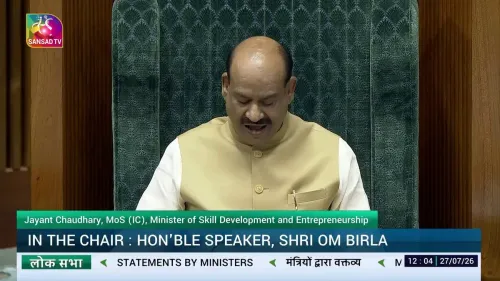
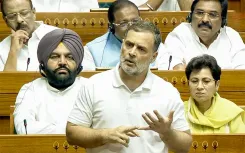
India's war on exam fraud just got a new weapon. Union Minister Ashwini Vaishnaw on Wednesday, 29 July 2026 congratulated students and young aspirants as the Lok Sabha passed the Public Examinations (Prevention of Unfair Means) Amendment Bill, 2026 — a legislation that sharpens the country's legal arsenal against paper leaks, impersonation, and other malpractices that have repeatedly derailed the dreams of millions of honest test-takers.
What the 2026 Amendment adds to the 2024 law
The bill is not built from scratch — it stands on the foundation of the Public Examinations (Prevention of Unfair Means) Act, 2024, which first codified offences and penalties around competitive exam fraud. The 2026 amendment goes further: it introduces stricter punishments, mandates fast-track courts for speedier justice, and strengthens investigative mechanisms to ensure that malpractice is not just caught but prosecuted swiftly. The message is deliberate — slow trials had long been a loophole that emboldened organised cheating networks.
Minister Vaishnaw's post framed the passage as a victory for every student who has ever prepared honestly and been let down by a rigged system: 'Congratulations to every student and young aspirant!' The political weight behind those words is real — exam integrity has become one of the most charged public-trust issues in India.
The paper-leak crisis that forced Parliament's hand
The legislative urgency traces directly to a string of high-profile exam scandals. Controversies around NEET and UPSC examinations exposed the scale of organised malpractice — question papers surfacing on messaging apps hours before exam time, impersonation rings operating across state lines, and coaching-centre cartels with alleged links to printing and distribution chains. Public outrage, court interventions, and student protests created sustained pressure on Parliament to move beyond the 2024 baseline law.
The 2026 amendment is the legislature's direct response to that pressure. Fast-track courts matter here: they close the gap between arrest and conviction that had made exam fraud a relatively low-risk, high-reward enterprise for organised syndicates.
Rajya Sabha and implementation now in focus
The bill's passage in the Lok Sabha is the first of two parliamentary hurdles. It must now clear the Rajya Sabha before it can receive presidential assent and become law. Equally critical will be the rules the government notifies — particularly the operational framework for fast-track courts and any central investigative body empowered under the amended statute. Those details will determine whether the law's teeth are sharp in practice, not just on paper.
For the lakhs of students who sit for UPSC, SSC, NEET, JEE, and state-level competitive exams every year, the amendment represents a promise: that the system is finally being designed to protect the honest, not accommodate the corrupt.
Point of View
While path-breaking, was insufficient against organised exam fraud networks that thrive on slow prosecution cycles. By embedding fast-track courts directly into the statute, the Centre is trying to shift the risk calculus for would-be cheaters. Politically, the bill also lets the BJP reclaim the narrative on exam integrity — an issue that generated significant youth anger in 2024. Whether the amendment delivers depends almost entirely on implementation: court capacity, investigative agency resourcing, and whether the rules notified match the legislative ambition.
NationPress
29 Jul 2026
Frequently Asked Questions
What is the Public Examinations (Prevention of Unfair Means) Amendment Bill, 2026?
It is a bill passed by the Lok Sabha on 29 July 2026 that amends the 2024 anti-exam-fraud law to add stricter punishments, fast-track courts, and stronger investigative powers against paper leaks and other malpractices in public competitive examinations.
What was wrong with the 2024 Public Examinations Act?
The 2024 Act established baseline offences and penalties for exam fraud but lacked fast-track courts and robust investigative mechanisms, leaving enforcement slow and allowing organised cheating networks to operate with relatively low legal risk.
Which exams does this law apply to?
The law covers public examinations conducted by central exam bodies, which includes high-stakes tests like NEET, UPSC civil services, SSC, and JEE, among others.
Has the bill become a law yet?
Not yet. The bill has cleared the Lok Sabha but must also be passed by the Rajya Sabha and receive presidential assent before it becomes enforceable law.
What are fast-track courts and why do they matter for exam fraud cases?
Fast-track courts are dedicated judicial benches designed to resolve specific categories of cases quickly, reducing the years-long delays common in regular courts. For exam fraud, speedy conviction is critical to deterring organised syndicates that previously exploited slow trials.