Vat Savitri Vrat 2026: Women observe fast in Delhi, Bihar, Prayagraj, Haridwar
Synopsis
Millions of married Hindu women across Delhi, Prayagraj, Haridwar, and Bihar's Nalanda observed Vat Savitri Vrat on 16 May 2026 — fasting, taking holy dips, and worshipping banyan trees in a festival that blends deep personal faith with one of North India's most enduring cultural traditions.
Key Takeaways
Vat Savitri Vrat was observed on 16 May 2026 , the Amavasya tithi of Krishna Paksha in the month of Jyeshtha .
Major observances took place in Delhi , Prayagraj , Haridwar , and Nalanda district, Bihar .
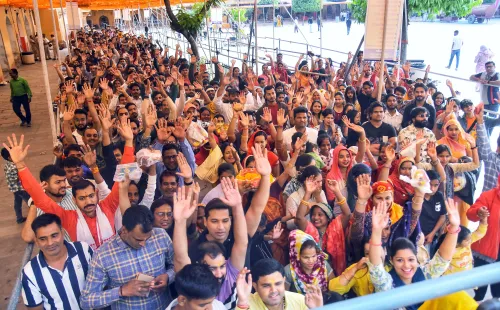
Millions gathered at Triveni Sangam, Prayagraj for holy dips; thousands assembled at Har Ki Pauri, Haridwar .
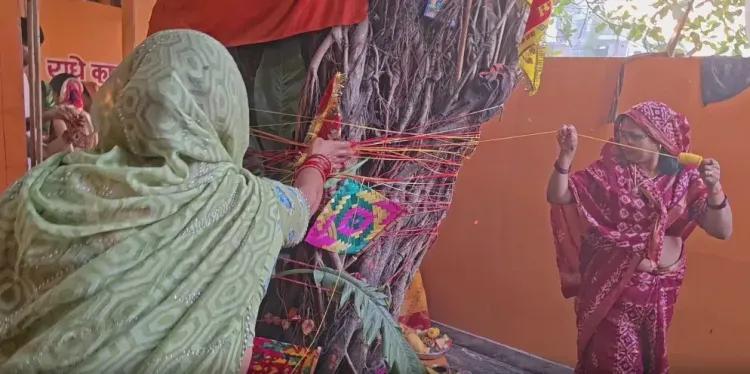
Women performed rituals including fasting, lighting diyas with desi ghee, tying sacred threads, and circumambulating the Vat Vriksha (banyan tree).
The banyan tree is regarded in Hindu scriptures as a symbol of longevity and strength , central to the festival's significance.
Married Hindu women across Delhi, Prayagraj, Haridwar, and Bihar's Nalanda district observed Vat Savitri Vrat on 16 May 2026 with deep devotion, performing time-honoured rituals and day-long fasts to pray for the longevity, prosperity, and well-being of their husbands. The festival, falling on the Amavasya tithi of Krishna Paksha in the month of Jyeshtha, drew large gatherings at temples, riverbanks, and banyan trees across North India.
Celebrations in Delhi and Prayagraj
In Delhi, married women in traditional attire thronged the Sri Radha Krishna Temple in Piliya Chowk, Najafgarh from early morning. Devotees lit diyas, offered prayers, and participated in worship ceremonies amid devotional chants, all in observance of the vrat for their husbands' long life and happiness.
In Prayagraj, millions of devotees gathered at the Triveni Sangam — the sacred confluence of the Ganga, Yamuna, and the mythical Saraswati rivers — to take a holy dip since dawn. After the ritual bath, married women worshipped the banyan tree and prayed for their husbands' health and longevity.
Haridwar's Har Ki Pauri Draws Thousands
Thousands assembled at the iconic Har Ki Pauri in Haridwar, Uttarakhand, on the occasion of Vat Savitri Amavasya. Devotees took a dip in the holy Ganga under tight security and a spiritually charged atmosphere. Women observed strict fasts and performed rituals around banyan trees, which hold special significance in Hindu scriptures.
A devotee present at Har Ki Pauri said, 'Married women take a holy bath, observe a fast for the long life of their husbands and perform prayers with devotion.'
Bihar's Nalanda Joins the Observance
In Biharsharif, Nalanda district, large numbers of women gathered at temples and designated worship sites. They were seen circumambulating banyan trees and performing rituals while praying for their husbands' prosperity and well-being.
A devotee in Nalanda said, 'Today we are celebrating Vat Savitri Puja. Every married woman is very excited about this occasion. Women pray for their husbands' long life, prosperity and well-being.'
Significance and Rituals of Vat Savitri Vrat
Vat Savitri Vrat is among the most widely observed festivals for married Hindu women, particularly across North Indian states. The Vat Vriksha — the banyan tree — is central to the observance, regarded in Hindu scriptures as a symbol of longevity and strength.
As part of the rituals, women rise early, take a holy bath, and dress in traditional clothes and jewellery before beginning the puja. They prepare satvik food as bhog prasad, light diyas using desi ghee, tie sacred threads around the banyan tree, and circumambulate it while praying. After completing the rituals, women seek blessings from elders before breaking their fast with satvik food.
With millions observing the vrat across multiple states this year, the festival continues to be a powerful expression of faith and cultural continuity in Hindu households.
Point of View
Particularly for women, and that its cultural footprint extends well beyond the purely spiritual. Covering it only as a visual spectacle, without examining its social dimensions or the sheer geographic spread of participation, understates its significance as a living institution.
NationPress
26 Oct 2026
Frequently Asked Questions
What is Vat Savitri Vrat and when is it observed?
Vat Savitri Vrat is a Hindu festival observed by married women, primarily across North India, on the Amavasya tithi of Krishna Paksha in the month of Jyeshtha. In 2026, it fell on 16 May. Women fast for the entire day and perform rituals around the banyan tree, praying for their husbands' longevity and prosperity.
What rituals are performed during Vat Savitri Vrat?
Women wake early, take a holy bath, and dress in traditional attire before beginning the puja. They prepare satvik food as bhog prasad, light diyas using desi ghee, tie sacred threads around a banyan tree, and circumambulate it while praying. After completing the rituals, they seek blessings from elders and break their fast with satvik food.
Why is the banyan tree worshipped during Vat Savitri Vrat?
The banyan tree, known as the Vat Vriksha, is regarded as sacred in Hindu scriptures and symbolises longevity and strength. Worshipping it on this day is believed to invoke blessings for the long life and well-being of the devotee's husband.
Where were major Vat Savitri Vrat celebrations held in 2026?
Major observances in 2026 were reported in Delhi at the Sri Radha Krishna Temple in Najafgarh, at the Triveni Sangam in Prayagraj, at Har Ki Pauri in Haridwar, and at temples and banyan tree sites in Biharsharif, Nalanda district, Bihar.
Who observes Vat Savitri Vrat?
Vat Savitri Vrat is observed by married Hindu women, predominantly in North Indian states. It is one of the most widely celebrated festivals in the Hindu calendar for married women, who fast and pray for their husbands' health, longevity, and prosperity.