Is VB-G RAM G a Renewal of Social Protection?
Synopsis
Union Agriculture Minister Shivraj Singh Chouhan discusses the transformative potential of the VB-G RAM G, a new rural employment guarantee scheme, addressing concerns about its impact on social protection. This legislation aims to enhance job security for farmers and rectify issues faced under MGNREGA.
Key Takeaways
Expanded employment guarantee : 125 days of guaranteed work for rural laborers.
Introduction of unemployment allowance : Provides support if employment is not available within 15 days.
Partnership model : State governments to play a crucial role in implementation.
Focus on improving social protection : Aims to address issues in the previous MGNREGA framework.
Enactment date : Became law on December 21, 2023.
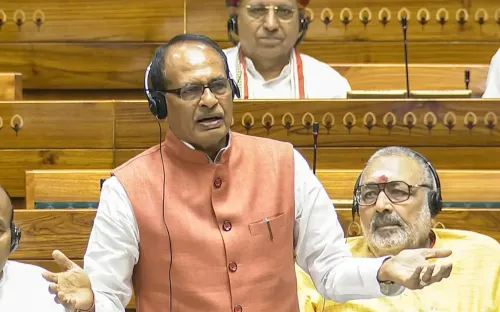
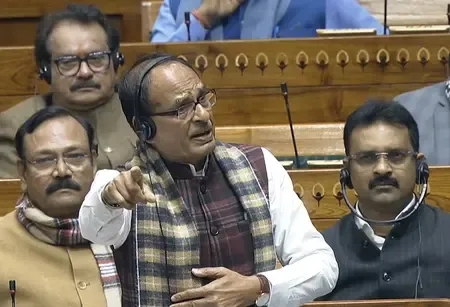
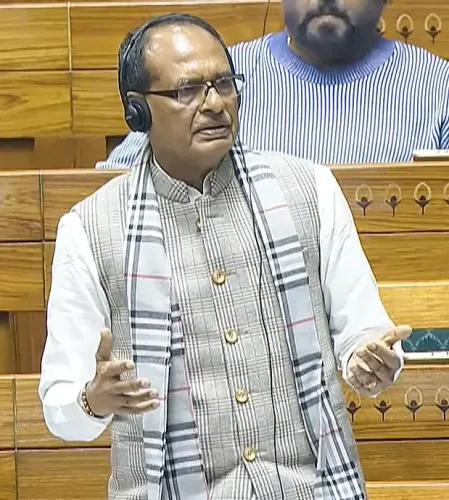
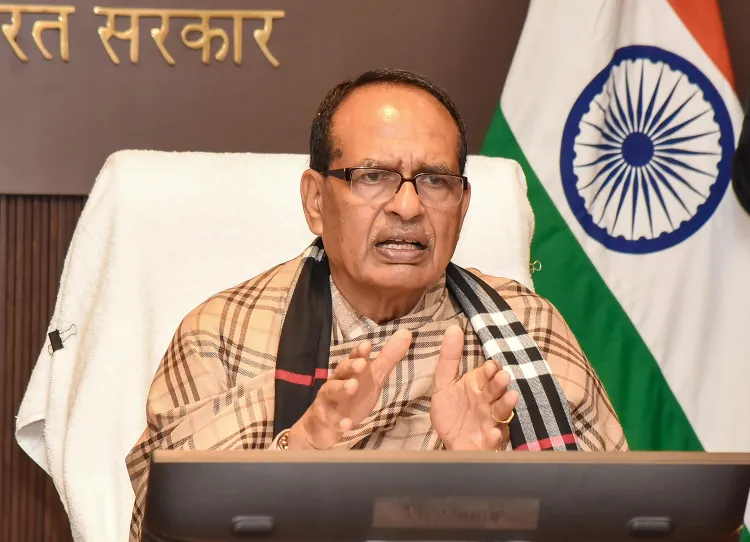
New Delhi, Dec 22 (NationPress) Union Agriculture Minister Shivraj Singh Chouhan elaborated on the Viksit Bharat-Guarantee for Rozgar and Ajeevika Mission (Gramin) (VB-G RAM G) on Monday, detailing how this new legislation will fortify India’s rural employment structure while also rectifying the shortcomings of the former scheme, MGNREGA, which it aims to replace.
Chouhan addressed the opposition's concerns regarding claims that G RAM G would change the fundamental nature of the rural employment guarantee system. He clarified that this represents a progressive reform designed to enhance benefits for farmers.
A significant distinction between the two schemes is that MGNREGA provided 100 days of assured work for unskilled laborers. In contrast, the VB-G RAM G now guarantees 125 days of wage employment. Additionally, should employment not be available within 15 days of application, it introduces an unemployment allowance—something that was previously unavailable under MGNREGA.
Importantly, the VB-G RAM G Bill 2005 was enacted into law on Sunday, receiving approval from President Droupadi Murmu, marking a substantial overhaul of the flagship rural employment initiative.
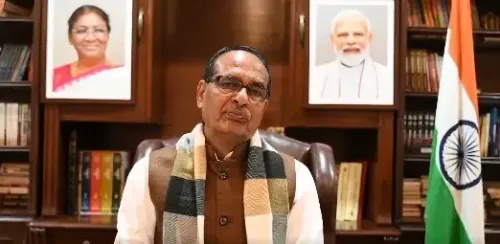
In a blog post on the advantages of the new law, Chouhan stated that the legislation does not weaken or diminish previous entitlements but directly addresses existing deficiencies.
“VB-G RAM G does not retreat from social protection; rather, it aims to transform a frequently frustrated entitlement into a tangible, enforceable guarantee,” Chouhan articulated.
Contrasting the G RAM G with MGNREGA, he asserted, “Rather than undermining the right to demand, the new law enhances it by extending guaranteed employment to 125 days and eliminating MGNREGA-era disqualification clauses, thereby reinstating unemployment allowance as a genuine statutory safeguard.”
Responding to apprehensions about burdening state governments with a 60:40 funding model, he emphasized that state governments will function as partners in development rather than mere implementing bodies.
“State governments can implement their own schemes, in alignment with the minimum statutory framework outlined in the Bill. This ensures that while allocations remain rule-based and equitable, execution retains flexibility,” he highlighted.
Further emphasizing the government’s commitment to empowering and uplifting the agricultural community, the rural development minister reiterated that the VB–G RAM G is not a retreat from social protection but a renewal, asserting that the new framework will deliver results with dignity, predictability, and purpose.
Point of View
I see the introduction of VB-G RAM G as a pivotal moment in India's rural employment landscape. This legislation demonstrates the government's commitment to enhancing social protection and addressing the inadequacies of MGNREGA. By empowering state governments and expanding job guarantees, we may be witnessing a significant shift towards a more resilient agricultural economy.
NationPress
20 Sept 2026
Frequently Asked Questions
How does VB-G RAM G differ from MGNREGA?
While MGNREGA guaranteed 100 days of work, VB-G RAM G extends this to 125 days and introduces an unemployment allowance for those not provided employment within 15 days of application.
Is VB-G RAM G a step backward for social protection?
No, according to Minister Shivraj Singh Chouhan, VB-G RAM G is intended to strengthen social protection by converting frustrated entitlements into enforceable guarantees.
What is the funding model for VB-G RAM G?
The funding model is based on a 60:40 allocation between the central and state governments, with state governments acting as partners in development rather than just implementers.
When did VB-G RAM G become law?
The VB-G RAM G Bill was enacted into law on December 21, following approval from President Droupadi Murmu.