Why Did KC Venugopal Respond to Tharoor’s Critique of Dynastic Politics?
Synopsis
The debate on dynastic politics in India intensifies as AICC general secretary K.C. Venugopal counters Congress MP Shashi Tharoor’s remarks. Venugopal defends the Nehru-Gandhi family's leadership, emphasizing their democratic roots and sacrifices, while Tharoor calls for a shift to merit-based governance. This article explores the implications for Indian democracy.
Key Takeaways
Venugopal defends the Nehru-Gandhi family's leadership.
Tharoor calls for a shift to merit-based governance .
The debate highlights tensions within the Congress party .
Political dynasties remain a contentious topic in Indian democracy .
The Congress-led UDF makes strides in upcoming elections.
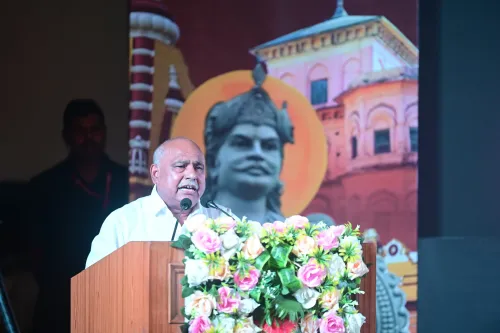
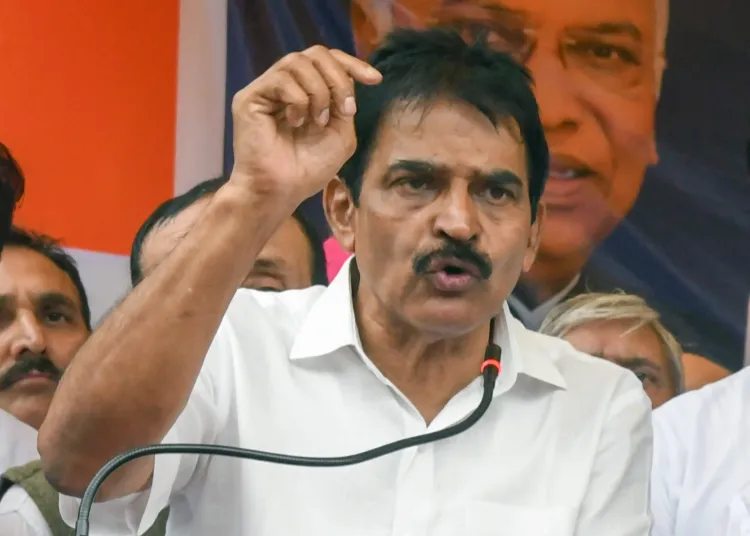
New Delhi/Thiruvananthapuram, Nov 4 (NationPress) AICC general secretary K.C. Venugopal on Tuesday strongly distanced himself from Congress MP Shashi Tharoor’s contentious comments regarding dynastic politics, asserting that the leadership of the Nehru-Gandhi family was achieved through democratic processes and characterized by significant personal sacrifices.
“I do not concur with Tharoor’s statements. One should inquire why he made such remarks,” Venugopal remarked, alluding to Tharoor’s recent piece in a Malayalam newspaper.
“The Nehru family did not arrive at their status by chance; they emerged through the democratic system. Moreover, which family has sacrificed so much for the nation, having lost two prominent individuals?” he emphasized, robustly defending the Congress’s principal family.
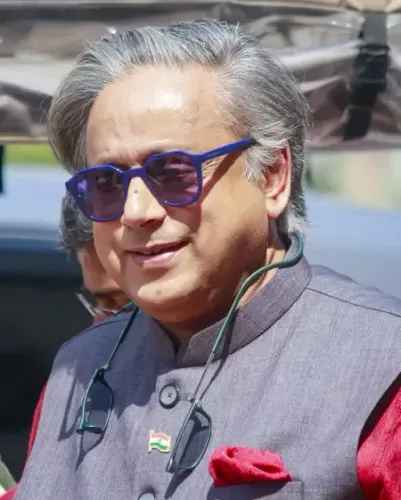
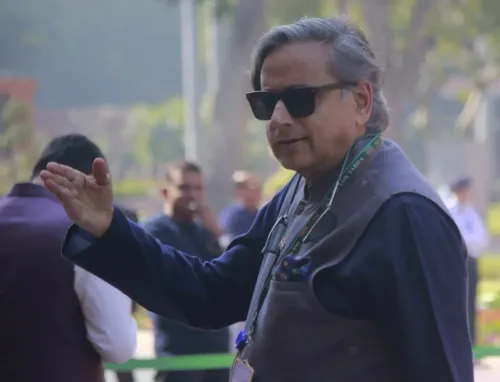
In his article titled “Dynastic Politics: A Threat to Indian Democracy,” Tharoor contended that India should transition from familial governance to meritocratic leadership—a perspective that many within the party interpret as a direct critique of the Nehru-Gandhi lineage.
He expressed that the political legacy of the family, spanning from Jawaharlal Nehru and Indira Gandhi to Rajiv, Rahul, and Priyanka Gandhi Vadra, has perpetuated the idea that political authority is a birthright.
“The prevalence of political families diminishes democracy,” Tharoor asserted, arguing that family-centric politics erodes accountability, diminishes governance quality, and prompts leaders to depend on their surnames instead of their competencies.
Referencing a recent study, he pointed out that 149 political families have multiple representatives in state assemblies, alongside 11 Union Ministers and nine Chief Ministers linked by family ties.
Venugopal, a trusted ally of the party leadership, stated that the Congress was “not interested in deflecting attention during elections,” highlighting that the leadership remains concentrated on the forthcoming elections.
Interestingly, the Congress-led UDF in Kerala has made significant strides by announcing its initial list of 48 candidates for the 101-member Thiruvananthapuram Corporation, while the rival political factions have not yet revealed their candidates.
Venugopal’s pointed rebuttal is perceived as a measure to reaffirm allegiance to the central leadership and mitigate any notion of internal discord, even as Tharoor’s remarks have reignited discussions about the impact of political dynasties on Indian democracy.
Point of View
It is essential to recognize the ongoing tension within the Congress party regarding dynastic politics. K.C. Venugopal's defense of the Nehru-Gandhi family highlights a critical divide in perspectives, with implications for the party's future and its electoral strategies. The discourse initiated by Tharoor brings to light the broader conversation on democratic values and political accountability in India.
NationPress
20 Sept 2026
Frequently Asked Questions
What did K.C. Venugopal say about Shashi Tharoor's remarks?
K.C. Venugopal firmly disagreed with Tharoor's comments on dynastic politics, stating that the Nehru-Gandhi family earned their leadership through democratic means and significant sacrifices.
What was Tharoor's main argument in his article?
Tharoor argued that India should transition from family rule to merit-based leadership, suggesting that dynastic politics undermines democracy.
How did Venugopal respond to the debate on dynastic politics?
Venugopal's response was a strong defense of the Nehru-Gandhi family, emphasizing their contributions to the nation and dismissing the critique as unfounded.
What is the significance of this debate within the Congress party?
This debate reflects internal tensions within the Congress party regarding its leadership structure and the role of dynastic politics in shaping its future.
What are the upcoming electoral implications discussed?
Venugopal highlighted that the party is focused on the upcoming elections, suggesting that the current discourse should not distract from their electoral strategies.