Why Was Filmmaker Vikram Bhatt Released from Udaipur Central Jail?
Synopsis
Filmmaker Vikram Bhatt's release from Udaipur Central Jail after being granted bail by the Supreme Court is making headlines. He reflects on his time in custody, his faith in justice, and the mediation proceedings ahead. What does this mean for his future?
Key Takeaways
Vikram Bhatt was released after nearly 2.5 months in custody.
He visited a temple post-release to offer prayers.
Bhatt expressed confidence in the legal system.
The case involves allegations of fraud concerning film investments.
Next mediation session is scheduled for the 27th.
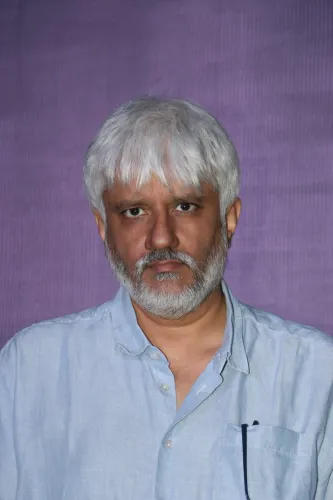
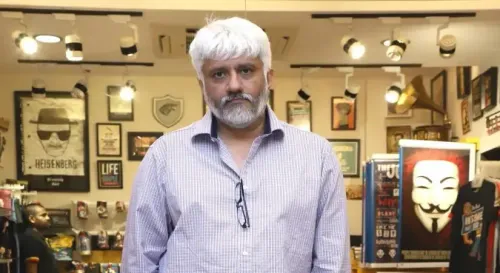
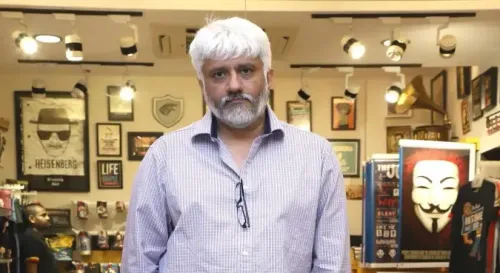
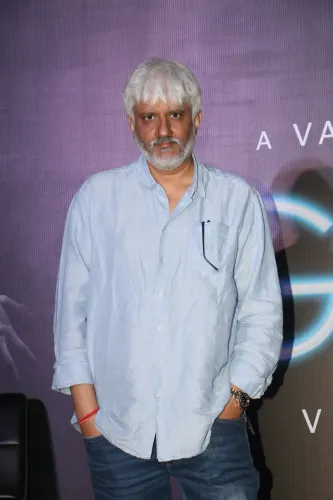
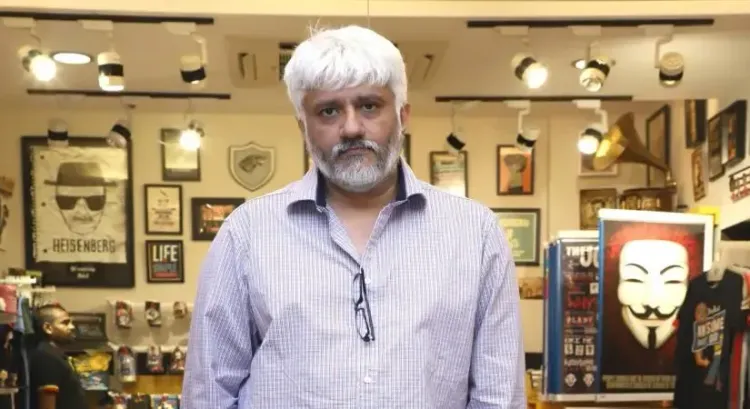
Jaipur, Feb 20 (NationPress) Filmmaker Vikram Bhatt has been released from Udaipur Central Jail after receiving bail from the Supreme Court of India on Friday. He had been in judicial custody for nearly two months and 11 days.
Post-release, Bhatt paid a visit to the Shiva temple located within the jail premises to offer his prayers and seek divine blessings.
In a statement to the media, he expressed his unwavering faith in the nation’s judicial system, asserting that truth will ultimately prevail.
Bhatt shared, “I spent two and a half months in Udaipur jail. I was not just hopeful; I was assured that the law and the truth would triumph. I made a friend inside who educated me about Mewar’s soil.”
Identifying himself as a devotee of Lord Krishna, Bhatt remarked, “I am a devotee of Shri Krishna, having lived where he was born. Just as Shri Krishna emerged victorious after every obstacle, I too am emerging stronger and prepared for a new challenge. The Shri Krishna within me has been reborn.”
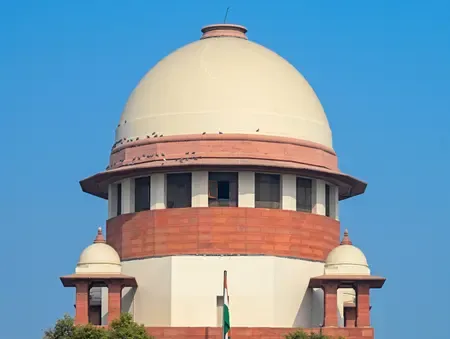
Bhaat’s attorney mentioned that the Supreme Court has referred the case for mediation, instructing both parties to appear at the Supreme Court Mediation Centre on the 27th.
The defense has asserted that they have always sought a peaceful resolution and will present their proposal during the mediation.
The case originated from a complaint by Dr. Ajay Murdia, an IVF specialist in Udaipur.
The complaint alleges that approximately Rs 30 crore was collected for film investments, but the promised work was not completed.
Investigators have also claimed that fake invoices were used, and funds were transferred to personal accounts. Reportedly, investments were made for films titled Maharana-Ran and Vishwa Virat, but the shooting never commenced.
An FIR filed in November 2025 categorized the situation as a planned fraud.
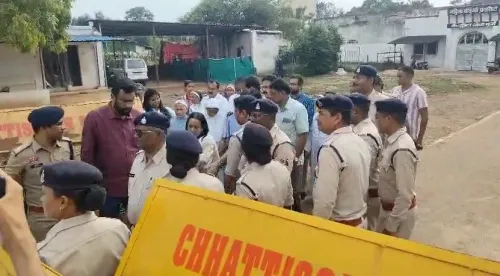
In December 2025, the Rajasthan Police apprehended Bhatt, his wife, and others in Mumbai in connection with this case.
The defense contends that this is fundamentally a civil matter and that all transactions were consensual.
The focus now shifts to the upcoming mediation sessions and the next hearing in this case.
Point of View
It's crucial to approach this story with objectivity. Vikram Bhatt's release reflects not only individual legal battles but also broader implications for the entertainment industry. The ongoing mediation could pave the way for a resolution, emphasizing the importance of legal processes in resolving disputes amicably.
NationPress
19 Sept 2026
Frequently Asked Questions
What led to Vikram Bhatt's arrest?
Vikram Bhatt was arrested in December 2025 in connection with a complaint alleging that he and his associates took around Rs 30 crore for film investments that were not fulfilled.
What is the next step in Bhatt's legal proceedings?
The Supreme Court has referred the matter to mediation, with both parties required to appear at the Supreme Court Mediation Centre on the 27th.
How long did Bhatt spend in jail?
Vikram Bhatt spent nearly two months and 11 days in judicial custody.
What does Bhatt say about his experience in jail?
He expressed confidence in the judicial system and reflected on his resilience, comparing his journey to that of Lord Krishna.
Who filed the complaint against Bhatt?
The complaint was filed by Dr. Ajay Murdia, an IVF specialist based in Udaipur.