Yadav: Wangchuk ends fast after Nadda, Jitendra Singh visit
Synopsis
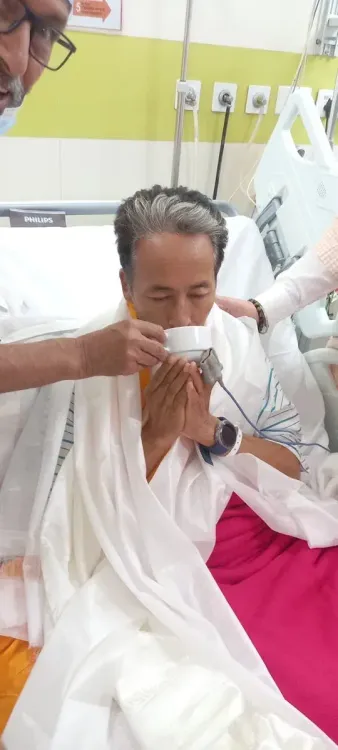
Union Environment Minister Bhupender Yadav announced that Sonam Wangchuk ended his hunger strike at Medanta Hospital, Gurugram, after BJP president JP Nadda and Minister Jitendra Singh visited him and assured positive government action on student concerns under PM Modi's leadership.
Key Takeaways
Sonam Wangchuk ended his hunger strike on 24 July 2026 at Medanta Hospital, Gurugram .
JP Nadda (BJP national president) and Dr.
Jitendra Singh (MoS, PMO) personally visited Wangchuk to convey the government's assurances.
The government promised 'positive initiative and meaningful dialogue' to resolve student-related concerns.
Union Environment Minister Bhupender Yadav framed the development as evidence of the government's commitment to student welfare under PM Narendra Modi .
Yadav stated the government will ensure strict legal punishment for those found guilty of harming student interests.
The post tagged Ladakhi activist Gitanjali Angmo alongside Wangchuk's account, indicating her role in the broader advocacy effort.
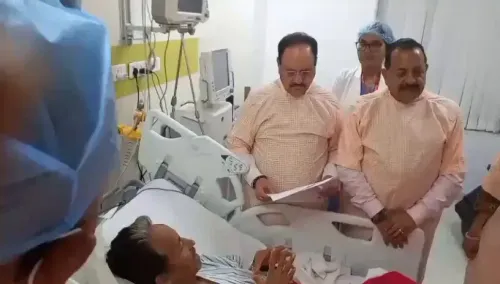
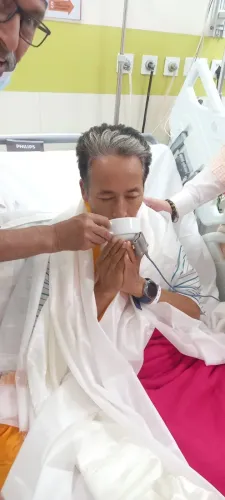
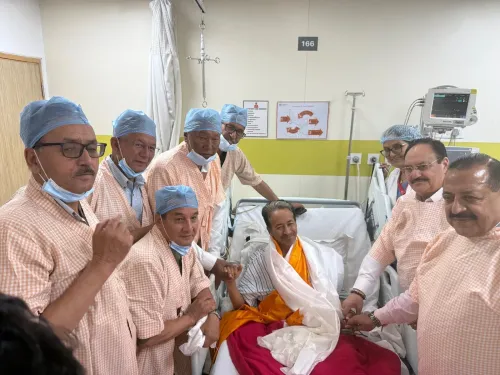
Union Environment Minister Bhupender Yadav announced on Friday, 24 July 2026 that Ladakhi innovator and activist Sonam Wangchuk has ended his hunger strike after senior BJP leaders visited him at Medanta Hospital, Gurugram, and gave the government's assurance of positive action and meaningful dialogue on student concerns.
Context
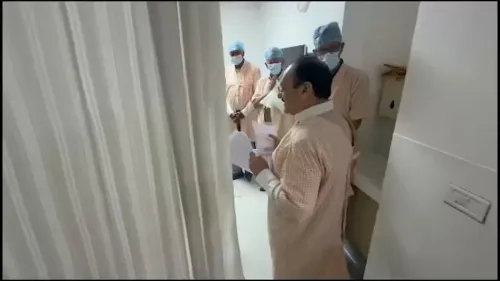
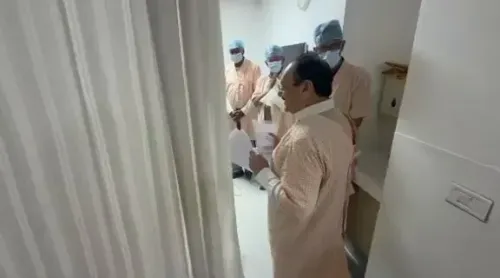
In his post, Yadav stated that JP Nadda and Dr. Jitendra Singh met Wangchuk at Medanta Hospital in Gurugram and conveyed the government's commitment to resolving concerns related to students. 'सकारात्मक पहल और सार्थक संवाद का भरोसा दिया' — 'assurance of positive initiative and meaningful dialogue' — was the phrase Yadav used to describe the government's message to Wangchuk. Following the meeting, Wangchuk decided to end his fast.
Yadav framed the development as a sign that 'trust in the government's commitment and the process of dialogue for resolving student-related issues remains intact.' The post was addressed to @Wangchuk66 and @GitanjaliAngmo, tagging Wangchuk's own account and that of Ladakhi activist Gitanjali Angmo.
Policy Backdrop
Sonam Wangchuk is a prominent Ladakhi educator and innovator best known for his ice stupa water conservation projects and long-standing advocacy on education equity and sustainable development in the region. He has previously led high-profile fasts and marches to press demands related to Ladakh's constitutional status and youth opportunities.
JP Nadda, as national president of the Bharatiya Janata Party, and Dr. Jitendra Singh, Union Minister of State in the Prime Minister's Office with responsibilities covering Jammu and Kashmir affairs, represent a significant level of political seniority for such an outreach. The choice of interlocutors signals that the government treated the situation as politically sensitive.
Stakeholders and Impact
Yadav invoked Prime Minister Narendra Modi's leadership directly, stating that under his guidance it is being ensured that 'no injustice of any kind is done to talented students and every guilty person who plays with the dreams of youth receives strict punishment as per the law.' This framing links the resolution to a broader government posture on examination integrity and youth welfare.
Students and youth activists are the primary stakeholders cited in the post. The government's assurance, as conveyed by Yadav, centres on two pillars: protection of meritorious students from systemic wrongdoing, and legal accountability for those found guilty of compromising student interests.
What's Next
Wangchuk's decision to end his fast opens a window for structured dialogue between his representatives and the government. Concrete follow-up measures — whether through the Ministry of Education, the PMO, or legislative channels — will determine whether the assurances translate into policy action.
The government's use of a high-level political delegation to broker an end to the protest sets a precedent for how similar youth and education-related grievances may be handled going forward. Observers will watch for any formal announcement from the PMO or relevant ministries on the specific student concerns that triggered the fast.
Point of View
The BJP attempts to convert a potential image liability into a governance dividend. The invocation of 'strict punishment as per the law' also signals that the administration is linking this episode to the broader examination-integrity controversy that has dominated youth politics in recent years. Whether the assurances produce verifiable policy outcomes will define whether this intervention is remembered as decisive statecraft or managed optics.
NationPress
22 Oct 2026
Frequently Asked Questions
Why did Sonam Wangchuk end his hunger strike?
Sonam Wangchuk ended his hunger strike after BJP national president JP Nadda and Union Minister Dr. Jitendra Singh visited him at Medanta Hospital in Gurugram and assured him of the government's positive action and meaningful dialogue to address student concerns.
Where was Sonam Wangchuk during his hunger strike?
Sonam Wangchuk was at Medanta Hospital in Gurugram, Haryana, when senior government representatives met him and he subsequently decided to end his fast on 24 July 2026.
Who visited Sonam Wangchuk on behalf of the government?
BJP national president JP Nadda and Dr. Jitendra Singh, Union Minister of State in the Prime Minister's Office, visited Wangchuk at Medanta Hospital, Gurugram, to convey the government's assurances.
What did the government promise Sonam Wangchuk regarding students?
The government assured Wangchuk of a 'positive initiative and meaningful dialogue' to resolve student concerns, and pledged strict legal punishment for anyone found guilty of harming student interests, as stated by Environment Minister Bhupender Yadav.
What is Sonam Wangchuk known for?
Sonam Wangchuk is a Ladakhi innovator and educator known for his ice stupa water conservation projects and advocacy on education equity and sustainable development in Ladakh.