Should Waqf Properties Be Registered on the UMMEED Portal?
Synopsis
Uttarakhand's Waqf Board Chairman shines a light on the importance of registering Waqf properties on the UMMEED portal. With significant implications for the Muslim community, this initiative aims to tackle the historical misuse of assets and ensure that the benefits reach the deserving. What does this mean for the future?
Key Takeaways
Timely registration of Waqf properties is crucial for community welfare.
The UMMEED portal is a vital tool for transparency.
The Waqf Amendment Act aims to combat historical misuse.
Public engagement is essential for the success of this initiative.
Proper utilization can uplift the underprivileged sections of society.
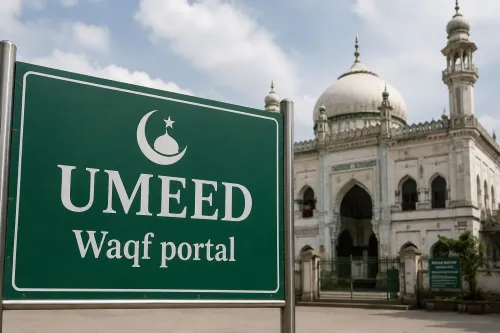
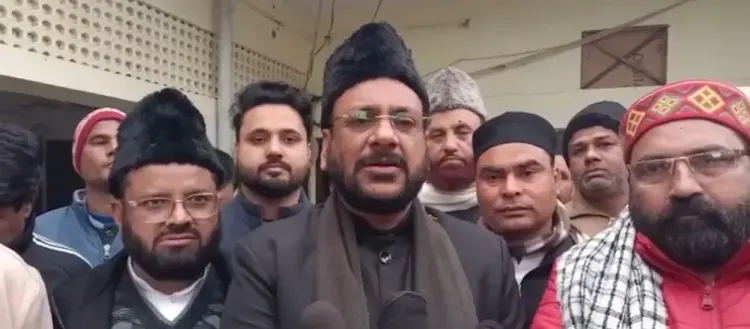
Udham Singh Nagar, Dec 24 (NationPress) The Chairman of the Uttarakhand Waqf Board, Shadab Shams, has called on all involved parties to prioritize the timely registration of Waqf properties via the UMMEED portal, especially after the extension of the registration deadline.
This initiative is designed to safeguard Waqf assets and guarantee that benefits reach the underprivileged and deserving members of the Muslim community.
In a statement to reporters, Shams asserted that the Waqf Amendment Act introduced by the Modi government has rekindled hope among impoverished Muslims. He claimed that for many years, Waqf properties have been exploited and misappropriated, depriving orphans, widows, and the disenfranchised of their rightful gains.
"The Modi government has enacted the Waqf Amendment Act, which restores hope for poor Muslims. Over time, the Waqf Board had devolved into a web of corruption. Properties meant for the welfare of the needy, orphans, and widows were mercilessly exploited. Like vultures, individuals dismantled and consumed Waqf assets," Shams stated.
He emphasized that the UMMEED Act presents a chance to uncover and curtail the alleged exploitation of Waqf properties.
"Today, through the UMMEED Act, we are optimistic that impoverished Muslims will finally receive their due share. These properties are tied to the rights of orphans and funds raised from charitable donations, zakat, and gifts. Numerous individuals have sacrificed their livelihoods by dedicating their properties as Waqf for public benefit. A massive looting of these assets has occurred, and to expose and halt this theft, the Modi government has introduced this reform," he noted.
Shams further asserted that the misuse of Waqf properties over the years has been widely recognized.
"Everyone is aware of what transpired over the last 75 years. Today, the Modi government stands as a beacon of hope for impoverished Muslims," he added.
Stressing the significance of online registration, the Chairman of the Uttarakhand Waqf Board remarked that the UMMEED portal is already operational, and many individuals have begun to register their properties. He urged those who have not yet completed the process to act promptly.
"The new UMMEED portal is active, and individuals are registering their Waqf properties. Those who have yet to do so are encouraged to step forward and register. However, those who deliberately opt not to register will be identified as part of the Waqf mafia. This sends a clear message to those who intend to misuse or plunder Waqf properties and to those unlawfully holding Waqf assets," he cautioned.
Expressing hope for the future, Shams believes that the effective use of Waqf properties will yield substantial benefits for the community.
"We are convinced that Waqf properties will provide adequate housing for impoverished and homeless Muslims. Additionally, assets that generate employment will be established for the jobless. We are optimistic that the future will be significantly better for impoverished Muslims. The government is committed to working with integrity and transparency," he stated.
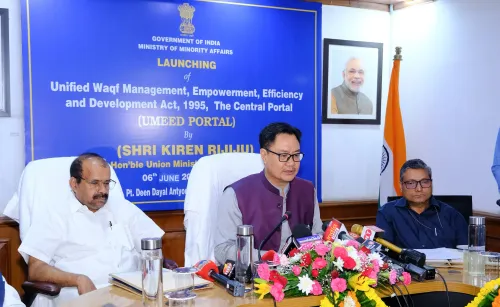
Following the passing of the Waqf Amendment Bill in Parliament, the Central Ministry of Minority Affairs initiated a campaign to digitize Waqf properties nationwide.
As part of this initiative, the UMMEED portal was launched, and all Waqf stakeholders were mandated to register their properties online between June 6 and December 6.
Despite the deadline, a substantial number of Waqf properties across the country remained unregistered.
In Uttarakhand, only about one-fourth of Waqf properties were registered online during the specified timeframe, prompting increased calls from the public and stakeholders to reopen the portal and extend the deadline.
The matter ultimately reached the Supreme Court, which proposed a solution by empowering state Waqf tribunals to decide on extending the registration timeline.
In Uttarakhand, two distinct tribunals have been established for the Garhwal and Kumaon regions to address Waqf-related issues.
The tribunal has set deadlines of February 6, 2026, for the Garhwal region and April 15, 2026, for the Kumaon region for online registration of Waqf properties.
Point of View
And the government's commitment to reform is a step towards rectifying past injustices. It is vital for all stakeholders to engage in this process to ensure the rightful benefits reach those in need.
NationPress
30 Sept 2026
Frequently Asked Questions
What is the UMMEED portal?
The UMMEED portal is an online platform launched for the registration of Waqf properties, aimed at safeguarding these assets and ensuring their benefits reach the deserving members of the community.
Why was the Waqf Amendment Act introduced?
The Waqf Amendment Act was introduced to rectify the historical misuse of Waqf properties and to restore hope to the poor and underprivileged members of the Muslim community.
What are the deadlines for registering Waqf properties?
The Uttarakhand Waqf tribunals have set the deadline for online registration of Waqf properties as February 6, 2026, for the Garhwal region and April 15, 2026, for the Kumaon region.
What happens if someone fails to register Waqf properties?
Individuals who choose not to register their Waqf properties may be considered part of the Waqf mafia, facing potential legal consequences.
How will proper utilization of Waqf properties benefit the community?
Proper utilization of Waqf properties is expected to provide decent housing, create employment-generating assets, and improve the overall living conditions for poor and homeless Muslims.