A Significant Move Towards Inclusive Governance: Sri Lankan Envoy on Women's Reservation Bill
Synopsis
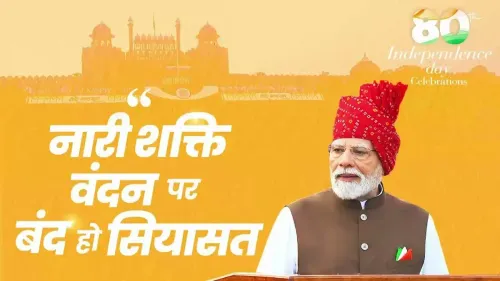
In a key address, Sri Lankan High Commissioner Mahishini Colonne highlighted the vital role of women's participation in governance through the Nari Shakti Vandan Adhiniyam. The upcoming Parliament session will discuss significant amendments to enhance women's representation in political institutions.
Key Takeaways
Women's participation in governance is emphasized as vital.
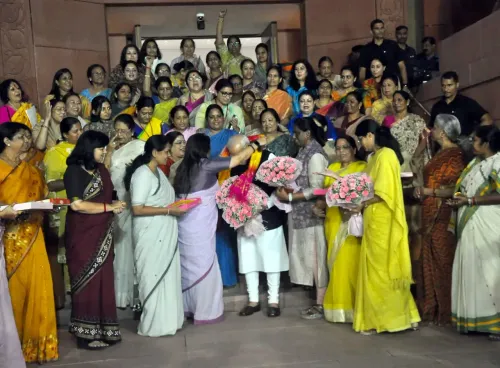
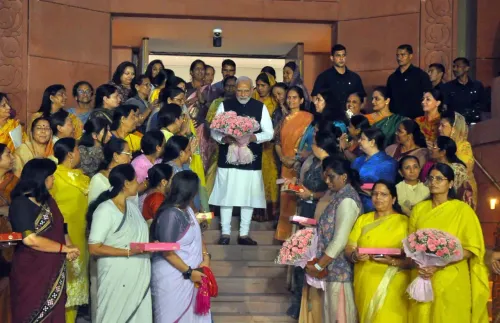
The Nari Shakti Vandan Adhiniyam aims to enhance women's representation in Parliament.
Amendments to the Bill will be discussed in the upcoming Parliament session .
The proposed changes include increasing Lok Sabha seats and implementing a 33% quota for women.
Decoupling the quota's implementation from the 2027 Census is a significant amendment.
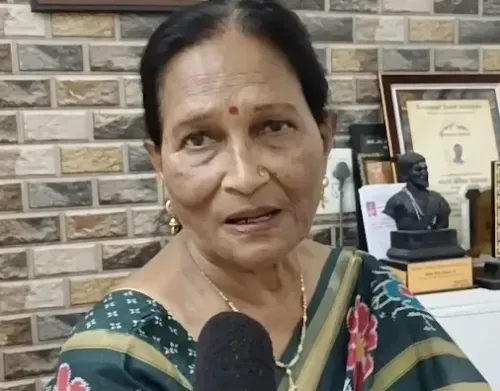
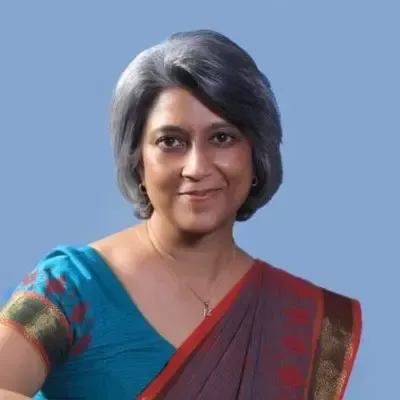
New Delhi, April 15 (NationPress) The Sri Lankan High Commissioner to India, Mahishini Colonne, addressed the significance of the Nari Shakti Vandan Adhiniyam on Wednesday, emphasizing that enhanced participation of women in political frameworks can introduce varied viewpoints into policymaking.
In an interview with IANS, Colonne remarked, "Bolstering women's representation in political arenas is a crucial stride towards fostering inclusive governance. An increase in women's presence in Parliament can usher in diverse perspectives and positively impact policymaking."
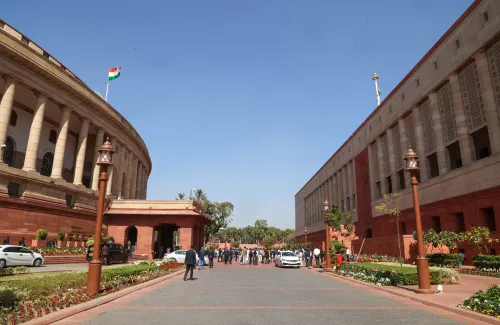
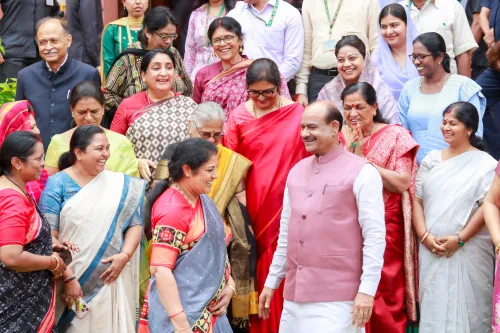
This statement precedes a Special Session of Parliament set to commence on April 16, where amendments to the Nari Shakti Vandan Adhiniyam, 2023, along with a proposed delimitation bill, are anticipated to be deliberated. The aim is to facilitate one-third reservation for women in Parliament.
On Tuesday, the Central government provided MPs with the text for the Constitution (131 Amendment) Bill, 2026, which proposes to expand Lok Sabha seats to 850—incorporating representatives from States and Union Territories.
The Bill suggests a maximum of 815 members elected directly from constituencies within the States.
Regarding Union Territories, it states, "No more than 35 members shall represent the Union Territories, elected in a manner determined by law from Parliament."
Currently, there are 530 Lok Sabha representatives from States and 20 from Union Territories, although a delimitation commission has previously set the number at 543.
Another significant change proposed in the Bill is the definition of 'population', granting Parliament the authority to decide which census data will underpin the increase in seat numbers.
To modify clause (3) of article 81 of the Constitution, the Bill states, "(3) In this article, the term 'population' refers to the population as determined by the census, as Parliament may legislate, of which the relevant figures have been published."
The Union Cabinet recently approved the Bill aimed at amending the Constitution to expedite the implementation of a 33% quota for women in Lok Sabha and Assemblies, alongside increasing the number of seats in the lower house of Parliament.
The amendment Bill also seeks to revise article 82, changing "Upon the completion of each census, the allocation of seats" to "The allocation of seats".
This proposed amendment intends to decouple the implementation of the quota from the 2027 Census, instead relying on the 2011 Census, allowing for its execution prior to the 2029 general elections.
In Article 82, the amendment Bill plans to introduce a role for the Delimitation Commission.
According to the Bill, in article 82 (c) of the Constitution, "for the words 'by such authority and in such manner', the words 'in such manner and based on such census, by the Delimitation Commission', shall be substituted."
The Bill further addresses the rotation-based reservation of seats in both the Lok Sabha and Assemblies and includes stipulations concerning the duration for which women's reservation will remain effective, subject to extension by Parliament.
Point of View
The national conversation around inclusivity in political institutions is more relevant than ever.
NationPress
16 Sept 2026
Frequently Asked Questions
What is the Nari Shakti Vandan Adhiniyam?
The Nari Shakti Vandan Adhiniyam is a legislative initiative aimed at increasing women's representation in political institutions, specifically by reserving a third of seats in Parliament for women.
What changes does the proposed amendment to the Women's Reservation Bill entail?
The proposed amendment seeks to expand Lok Sabha seats to 850 and implement a 33% quota for women, decoupling its execution from the 2027 Census and basing it on the 2011 Census instead.
Why is women's representation important in Parliament?
Increased women's representation in Parliament is crucial as it brings diverse perspectives and experiences to policymaking, leading to more comprehensive and inclusive governance.
When will the Special Session of Parliament take place?
The Special Session of Parliament is scheduled to commence on April 16.
How many Lok Sabha members are currently representing States and Union Territories?
Currently, there are 530 Lok Sabha members representing States and 20 from Union Territories, totaling 550 members.