Andhra borrowings hit ₹48,800 crore, YSRCP targets Naidu govt
Synopsis
Andhra Pradesh topped all states in market borrowings in the first half of 2026–27, raising ₹48,800 crore, according to official data cited by the YSRCP. The opposition is demanding a rupee-by-rupee account, while former minister Dharmana Prasada Rao has accused the Naidu coalition of rigging local body polls.
Key Takeaways
Andhra Pradesh reportedly raised ₹48,800 crore in market borrowings between April and September 2026 , including ₹41,800 crore in net borrowings.
The YSRCP said official data placed the State first in market borrowings in the first half of 2026–27 .
The party questioned spending on statues, chartered flights, a State festival for Ramoji Rao's birth anniversary and Amaravati projects.
Former minister Dharmana Prasada Rao alleged voter list manipulation, booth capturing and counting irregularities in local body polls.
Dharmana condemned his house arrest on Constitution Day and said the YSRCP had secured 40 per cent of votes in the previous Assembly elections.
The YSR Congress Party (YSRCP) on Friday questioned the Chandrababu Naidu-led government over a sharp rise in Andhra Pradesh's borrowings. The party cited official data that it said placed the State first in market borrowings during the first six months of 2026–27. Andhra Pradesh reportedly raised ₹48,800 crore through market borrowings between April and September 2026, including ₹41,800 crore in net borrowings.
The attack, issued from Vijayawada on 27 November 2026, comes shortly after the recent exposure of substantial off-budget borrowings. The opposition party says this raises serious questions about the State's overall debt burden and financial management.
YSRCP's Charge on Borrowings
In a statement, the YSRCP asked: “Where is every rupee borrowed in the name of Andhra Pradesh going? While the State’s debt continues to rise, people are facing unemployment, inflation and a lack of welfare support. Public assets are being privatised, and the promise of wealth creation has faded.”
The party demanded fuller disclosure. “People deserve a transparent account of how public money is being spent. The government must disclose the purpose of these borrowings, the projects they have funded and the liabilities being passed on to future generations,” the statement said. It added that Andhra Pradesh “cannot afford unchecked debt alongside poor delivery and questions over public spending.”
Questions Over Spending Priorities
The YSRCP also questioned the government's spending choices. It cited expenditure on statues and chartered flights, and the decision to observe Ramoji Rao's birth anniversary as a State festival. The party also raised concerns over projects undertaken in the name of Amaravati, the capital city project that has long been central to Naidu's development agenda.
Notably, the combined weight of market borrowings and the reported off-budget liabilities has made the State's debt profile a recurring flashpoint between the ruling coalition and the opposition.
Dharmana Alleges Local Poll Manipulation
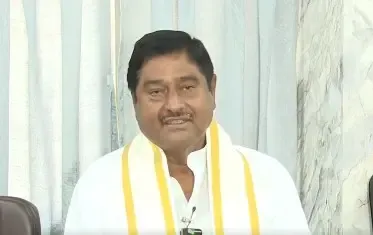
Separately, YSRCP leader and former minister Dharmana Prasada Rao accused the coalition government of unleashing violence, intimidation and electoral manipulation to overcome what he called growing public opposition within two-and-a-half years of assuming power. Addressing the media at the YSRCP office in Srikakulam, he alleged that the coalition manipulated voter lists, ward delimitation and reservations to favour its candidates in local body elections.
He claimed that even six members of one family were shifted to six different divisions. According to him, opposition candidates were threatened, assaulted, prevented from filing nominations, and subjected to arbitrary rejections and withdrawals without consent.
Dharmana further alleged that police detained authorised polling agents, facilitated booth capturing and enabled rigging. He claimed that during counting, lights were switched off, ballot bundles were manipulated and repeated recounts were conducted to declare defeated coalition candidates victorious. Certificates obtained through intimidation and misuse of power carried no democratic legitimacy, he said.
House Arrest on Constitution Day
The former minister condemned his house arrest on Constitution Day, despite his appointment as a general election agent. He questioned whether any officer could produce written orders justifying his detention, and said polling in Srikakulam itself had proceeded peacefully.
He argued that YSRCP victories despite what he described as widespread repression showed rising public anger against the coalition. Reminding Naidu that the YSRCP secured 40 per cent of votes in the previous Assembly elections, he rejected attempts to underestimate the opposition based on its legislative strength.
What Lies Ahead
Dharmana held Naidu responsible for election-related violence and deaths, warning that power was temporary and that the coalition's actions were laying the foundation for its defeat in 2029. With the borrowing data and the local poll allegations now in public debate, pressure is likely to mount on the State government to respond on both fiscal transparency and the conduct of the elections.
Point of View
By itself, proof of mismanagement. Borrowing for capital assets can be defensible, but the reported off-budget liabilities make the opacity charge harder to dismiss. The Naidu government's best answer is the one the YSRCP is demanding: a project-wise account of where the money went. The opposition's own credibility will also be tested, since debt was a flashpoint during its time in power too, and its sweeping rigging allegations need evidence, not just rhetoric.
NationPress
27 Nov 2026
Frequently Asked Questions
How much did Andhra Pradesh borrow in the first half of 2026–27?
Andhra Pradesh reportedly raised ₹48,800 crore in market borrowings between April and September 2026, including ₹41,800 crore in net borrowings. According to official data cited by the YSRCP, this placed the State first among states in market borrowings.
What has the YSRCP demanded from the Naidu government?
The YSRCP has demanded that the government disclose the purpose of the borrowings, the projects they funded and the liabilities being passed on to future generations. It has called for a transparent account of how public money is being spent.
Which spending decisions did the YSRCP question?
The party questioned expenditure on statues and chartered flights, and the decision to observe Ramoji Rao's birth anniversary as a State festival. It also raised concerns over projects undertaken in the name of Amaravati.
What did Dharmana Prasada Rao allege about the local body elections?
Dharmana alleged that the ruling coalition manipulated voter lists, ward delimitation and reservations, and that opposition candidates were threatened and assaulted. He also claimed police enabled booth capturing and that counting was manipulated to declare defeated coalition candidates victorious.
Why was Dharmana Prasada Rao placed under house arrest?
Dharmana said he was placed under house arrest on Constitution Day despite being appointed a general election agent. He questioned whether any officer could produce written orders justifying the detention and said polling in Srikakulam had been peaceful.