Did 103 out of 130 Cities Under NCAP Achieve a Reduction in PM10 Levels for 2024-25?
Click to start listening
Synopsis
In a significant development, over 100 out of 130 cities under the National Clean Air Programme (NCAP) have made impressive strides in reducing PM10 levels for 2024-25. This achievement reflects the effectiveness of targeted initiatives and highlights the ongoing efforts to combat air pollution in India.
Key Takeaways
- More than 100 cities showed a reduction in PM10 levels.
- 22 cities met National Ambient Air Quality Standards.
- Significant improvements noted in major cities like Delhi and Mumbai.
- NCAP launched in January 2019 aims to enhance air quality.
- Financial support provided for pollution control measures.
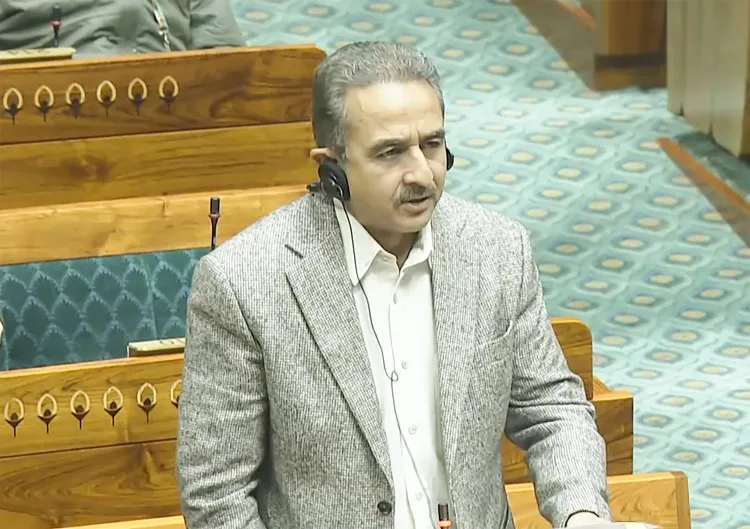
New Delhi, Dec 1 (NationPress) More than 100 out of 130 cities participating in the National Clean Air Programme (NCAP) have demonstrated a decrease in PM10 levels for the year 2024-25, as reported to Parliament on Monday.
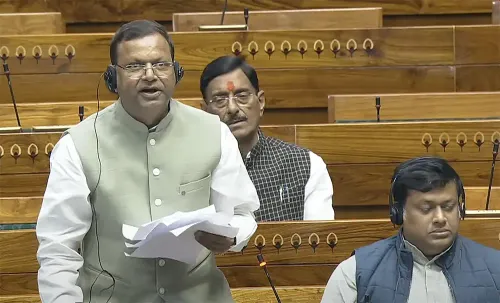
In a formal response in the Lok Sabha, Union Minister of State for Environment, Forest, and Climate Change (MoEFCC) Kirti Vardhan Singh stated that 103 cities have recorded an improvement in the PM10 levels, a significant air pollutant, for the period 2024-25 compared to 2017-18.
Out of these, 22 cities have PM10 concentrations below 60 micrograms per cubic meter (µg/m3).
“The targeted initiatives by the 130 cities under NCAP have yielded favorable outcomes, with 103 cities achieving a reduction in PM10 levels in 2024-25 compared to 2017-18. Among these, 64 cities have decreased PM10 levels by over 20 percent, and 25 of these cities have seen reductions exceeding 40 percent,” Singh noted.
“In total, 22 cities have complied with the National Ambient Air Quality Standards (NAAQS) and have PM10 concentrations under 60 µg/m3,” he added.
Significantly, PM10 levels in Delhi improved from 241 µg/m3 in 2017-18 to 203 µg/m3 in 2024-25.
Other cities that witnessed improvements include Greater Mumbai (from 161 µg/m3 to 90 µg/m3); Kolkata (from 147 µg/m3 to 92 µg/m3); Ahmedabad (from 164 µg/m3 to 103 µg/m3); Hyderabad (from 110 µg/m3 to 81 µg/m3); and Bengaluru (from 92 µg/m3 to 68 µg/m3).
Launched by the MoEFCC in January 2019, NCAP aims to enhance air quality across 130 cities in 24 States/UTs through the execution of national, state, and city-specific clean air action plans.
Each city has devised its own clean air action plan to implement air quality enhancement measures.
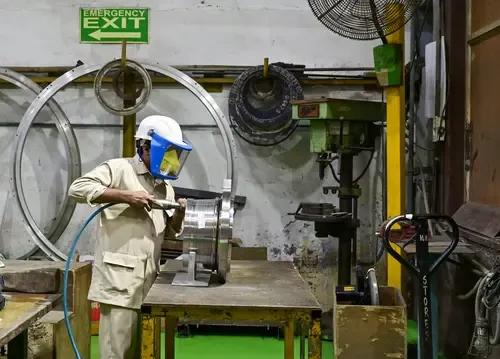
These strategies target various sources of air pollution, including soil and road dust, vehicle emissions, waste burning, construction and demolition activities, and industrial emissions.
“A performance-linked grant totaling Rs 13,415.43 crore has been allocated to 130 cities as essential funding for executing air pollution control measures since 2019-20,” Singh mentioned.
Air quality is monitored at 836 stations across the 130 cities under NCAP, with the CPCB conducting annual performance evaluations for all cities involved.
Point of View
The reduction of PM10 levels in over 100 cities under the NCAP is a positive indication of ongoing efforts to improve air quality in India. This achievement highlights the effectiveness of targeted intervention strategies and underlines the importance of continued commitment towards environmental health.
NationPress
01/12/2025
Frequently Asked Questions
What does PM10 refer to?
PM10 refers to particulate matter with a diameter of 10 micrometers or smaller, which can pose serious health risks.
What is NCAP?
The National Clean Air Programme (NCAP) is an initiative launched by the Indian government to improve air quality in cities across the country.
How many cities are covered under NCAP?
NCAP covers a total of 130 cities across 24 States and Union Territories in India.
What pollutants are targeted by NCAP?
NCAP targets various pollutants, including PM10, vehicular emissions, and industrial pollution.
What measures are implemented to reduce PM10 levels?
Measures include implementing city-specific clean air action plans that focus on reducing pollution from different sources.