Why Did 190 People Suffer Eye Injuries from Firecrackers and Carbide Guns During Diwali?
Synopsis
A shocking report from AIIMS Delhi reveals a 19% increase in firecracker and carbide gun-related eye injuries during this Diwali. With 190 cases reported, the need for stricter regulations and public awareness on safety has never been more urgent.
Key Takeaways
190 cases of eye injuries reported during Diwali.
19% increase compared to last year.
Emergence of severe injuries from carbide guns .
Need for stricter regulations on firecracker sales.
Majority of patients are young males, some with complete vision loss.
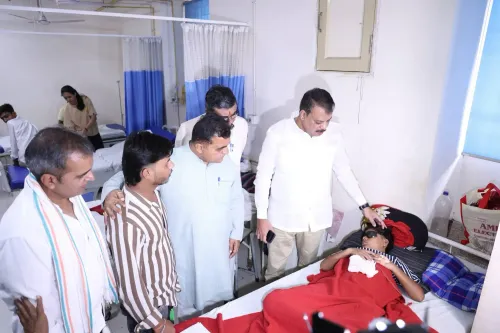
New Delhi, Oct 29 (NationPress) The All India Institute of Medical Sciences, Delhi, on Wednesday disclosed that there were 190 incidents of eye injuries related to firecrackers and carbide guns during this year's Diwali celebration.
This figure marks a 19 percent increase from the ocular injuries recorded last year during the same 10-day Diwali period, according to specialists from the Rajendra Prasad Centre for Ophthalmic Sciences, AIIMS, New Delhi, during a press briefing. In 2024, there were a total of 160 patients who reported eye injuries during Diwali.
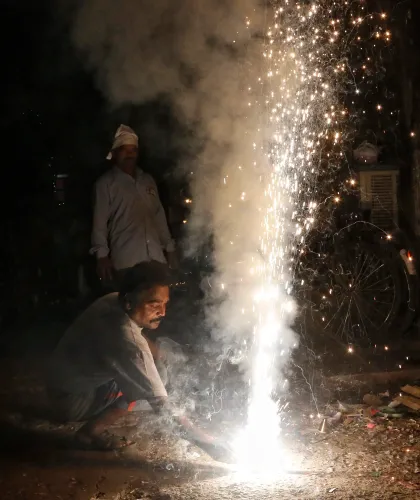
Significantly, the nation’s leading referral center for eye trauma noted a substantial rise in firecracker-induced eye injuries this year, while carbide-based firecrackers posed a new threat.
Among the 190 cases, approximately 18-20 injuries were attributed to carbide guns, the experts indicated.
“A worrisome trend this year has been the rise of severe injuries resembling chemical burns due to carbide-based firecrackers,” the specialists stated.
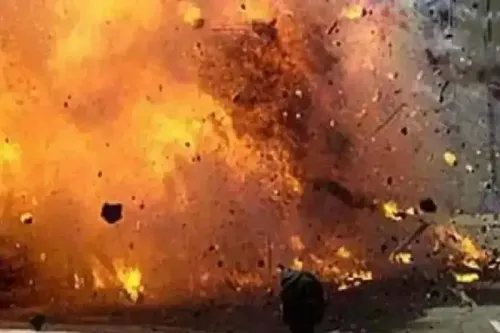
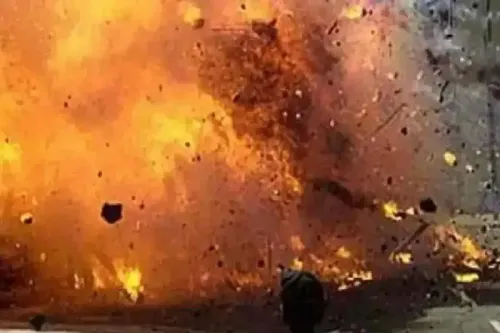
“These increasingly popular devices, often manufactured at home, generate acetylene gas when mixed with water, leading to explosive blasts and the emission of metal hydroxide fumes. Such explosions can inflict severe chemical and thermal damage to the eye surface, resulting in permanent corneal clouding and irreversible loss of vision,” the experts cautioned, underscoring the immediate requirement for stringent regulation and prohibition of these dangerous devices.
Earlier in October, the Supreme Court of India granted permission for the limited sale and use of certified “green” firecrackers in the Delhi-NCR region during the festival of lights.
“Despite existing regulations, firecrackers were widely accessible and used in neighboring states like Uttar Pradesh and Haryana, leading to rampant non-compliance and cross-border availability within the Delhi-NCR,” noted the experts.
On the day of Diwali, 97 individuals (51 percent) sustained eye injuries. While 44 percent of these cases were reported from the Delhi-NCR, the remaining 56 percent originated from adjacent states, primarily Uttar Pradesh and parts of Haryana. Approximately 60 children underwent eye surgeries at the hospital.
“We did not anticipate such a high number of cases compared to the last two years. During the previous two years, there was a firecracker ban, but this year, with the ban lifted, we saw an influx of patients. Social media has also played a role, showcasing videos on how to construct these carbide guns,” stated Dr. Namrata Sharma from the RP Centre.
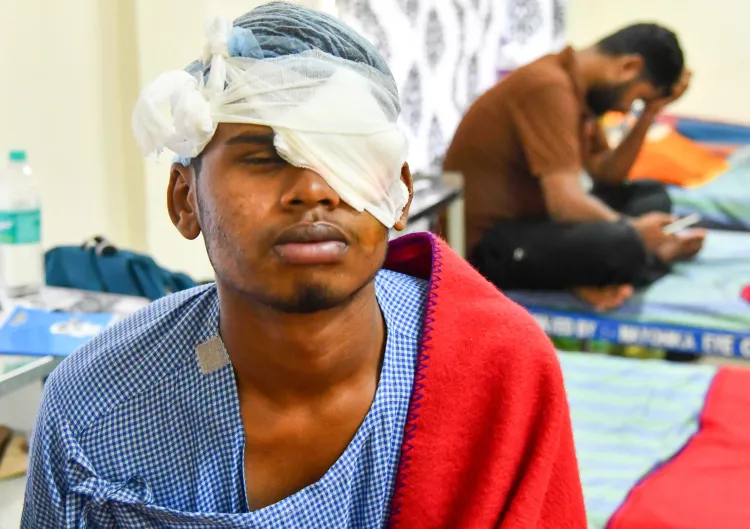
The majority of patients were young males aged up to 20. Around 17 percent of patients had injuries in both eyes, and some experienced complete vision loss.
Nearly 45 percent of patients had open globe injuries, requiring immediate surgical intervention to preserve ocular structure and remaining vision. The remaining cases involved chemical burns and blunt trauma resulting from sparks, debris, or harmful gases emitted by burning firecrackers.
About 25 percent of patients presented with severe visual impairment, while another 25 percent had moderate visual impairment.
The experts emphasized the urgent need for robust enforcement of firecracker regulations across state lines, monitoring online sales, banning hazardous carbide-based and homemade crackers, and implementing public education campaigns focused on eye safety and first aid following ocular injuries.
“These crackers must be controlled at the production level, as restricting sales has clearly proven ineffective,” stated Prof. Mandeep Bajaj from AIIMS.
Point of View
This alarming rise in eye injuries during Diwali underscores a critical public health issue. It highlights the need for enhanced regulations and community education on the dangers of firecrackers, particularly carbide-based ones. The alarming statistics call for urgent action to safeguard public health during festive celebrations.
NationPress
24 Sept 2026
Frequently Asked Questions
What are the main causes of eye injuries during Diwali?
The primary causes of eye injuries during Diwali are firecrackers and carbide guns, which have been linked to severe incidents of ocular trauma.
How many eye injuries were reported this Diwali?
This year, there were 190 reported cases of eye injuries related to firecrackers and carbide guns during Diwali.
What can be done to prevent these injuries?
Preventive measures include strict regulation of firecracker sales, public education on eye safety, and monitoring of online sales of hazardous devices.
What demographic is most affected by these injuries?
The majority of affected individuals are young males, particularly those under the age of 20.
What actions are experts recommending?
Experts are calling for stringent enforcement of firecracker regulations, and increased public awareness campaigns regarding the dangers of firecrackers and proper eye protection.