Alibaba's CXMT stake hits 140bn yuan, nearly 20x its investment
Synopsis
Alibaba's early bet on memory-chip maker CXMT has delivered a near-20x paper return — a stake now worth over 140 billion yuan — as the tech giant's pivot from controlling acquisitions to minority AI and semiconductor positions begins to pay off spectacularly.
Key Takeaways
Alibaba Group Holding owns nearly 5 per cent of ChangXin Memory Technologies (CXMT) , making it the chipmaker's largest industrial shareholder per the prospectus.
Alibaba 's approximately 7.6 billion yuan investment in CXMT since 2021 is now worth more than 140 billion yuan based on a closing market cap of 3.14 trillion yuan (US$464 billion) on 29 July 2026 .
By contrast, Alibaba 's Sun Art Retail stake — acquired in October 2020 for HK$28 billion — generated over 25 billion yuan in losses before being sold to DCP Capital for HK$13.1 billion on 31 December 2024 .
Alibaba invested roughly US$800 million in Moonshot AI for approximately 36 per cent , per its fiscal 2024 filings; it also backed Zhipu AI , MiniMax , Baichuan AI , and 01.AI .
Chairman Joe Tsai in 2023 outlined four capital priorities: improving operating returns, reinvesting in growth, monetising non-core assets, and returning capital to shareholders.
Alibaba Group Holding has emerged as one of the biggest winners from China's domestic AI and semiconductor boom, with its roughly 5 per cent stake in memory-chip maker ChangXin Memory Technologies (CXMT) now worth more than 140 billion yuan — nearly 20 times the approximately 7.6 billion yuan the company invested since 2021, according to the chipmaker's prospectus and market data from Tuesday, 29 July 2026.
A semiconductor windfall
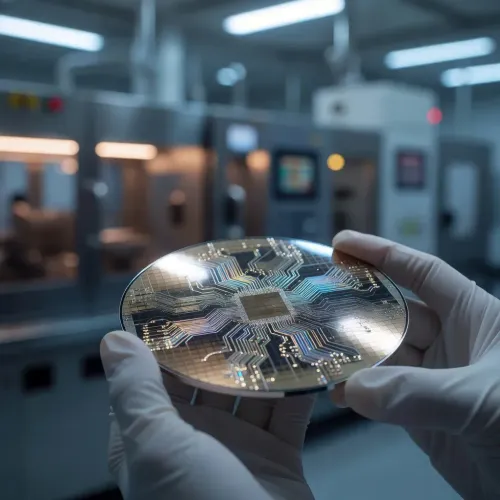
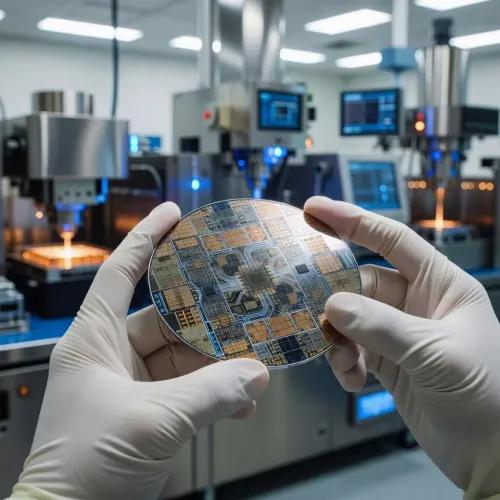
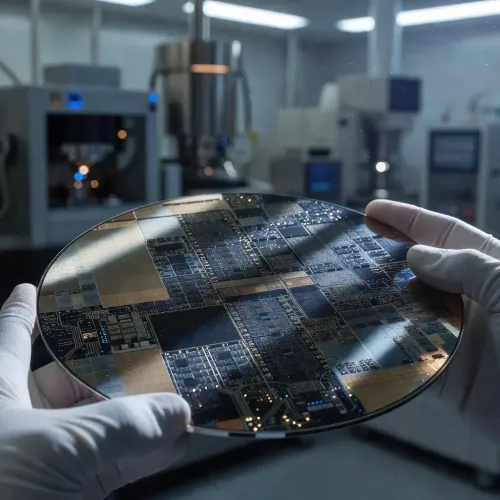
CXMT, China's largest domestic memory-chip manufacturer, made its stock market debut on Monday, 28 July 2026, with its market capitalisation closing at approximately 3.14 trillion yuan (US$464 billion) on its second trading day. Alibaba was listed as the chipmaker's largest industrial shareholder in the prospectus, underscoring the strategic depth of its early bet on domestic semiconductor capacity.
The paper gains represent a sharp contrast to one of Alibaba's most prominent investment missteps. The company acquired a controlling stake in hypermarket operator Sun Art Retail in October 2020 for HK$28 billion (US$3.6 billion), only to record more than 25 billion yuan in impairment and disposal losses before selling its entire holding to Chinese private-equity firm DCP Capital for HK$13.1 billion on 31 December 2024.
Why it matters: A deliberate strategic pivot
The divergence between these two outcomes illustrates a conscious strategic shift inside Alibaba. As the company refocuses on e-commerce and pivots toward artificial intelligence, it has moved away from controlling acquisitions designed to anchor a sprawling consumer-internet empire, instead favouring minority stakes and industrial partnerships across the AI supply chain.
In 2023, Alibaba chairman Joe Tsai publicly outlined four capital-management priorities: improving returns from operating businesses, reinvesting cash flow in future growth, monetising non-core assets, and returning capital to shareholders. The CXMT outcome and the Sun Art exit both fit neatly within that framework.
The competitive backdrop: Backing China's AI model wave
Alibaba has also been among the earliest and most active investors in China's domestic large-language-model developers. As a new cohort of AI model start-ups emerged across 2023 and 2024, the company backed Zhipu AI (known internationally as Z.ai), Moonshot AI, and MiniMax, as well as Baichuan AI and 01.AI, though the latter two have since pivoted away from foundational model development.
According to its fiscal 2024 filings, Alibaba invested approximately US$800 million in Moonshot AI — the developer behind the Kimi models — for a stake of around 36 per cent. The company subsequently joined several follow-on funding rounds, though the sizes of those additional investments were not disclosed.
What's next
With CXMT's listing now complete and Zhipu AI also reportedly seeing its valuation climb, Alibaba's minority-stake portfolio is generating returns that dwarf its earlier empire-building phase. The critical question is whether the company will begin monetising these positions — through secondary sales or structured exits — or hold them as long-term strategic anchors in China's technology supply chain.
Investors and analysts will be watching Alibaba's next quarterly filing closely for any disclosure on portfolio realisation, as well as for signals on whether it deepens its exposure to semiconductor and AI infrastructure ahead of an intensifying global chip competition cycle.
Point of View
Alibaba is effectively hedging against the scenario where US export controls sever access to foreign DRAM, making its semiconductor portfolio as much a risk-management instrument as a financial one. The contrast with Sun Art also signals that Alibaba's capital-allocation discipline has materially improved under Joe Tsai's framework — moving away from control premiums in commoditising retail toward asymmetric upside in structurally scarce tech sectors. The open question is whether regulators in Beijing or Washington will eventually force the company's hand on these holdings before it can realise them on its own terms.
NationPress
28 Oct 2026
Frequently Asked Questions
How much is Alibaba's stake in CXMT worth?
Alibaba's nearly 5 per cent stake in ChangXin Memory Technologies is worth more than 140 billion yuan, based on CXMT's closing market capitalisation of approximately 3.14 trillion yuan (US$464 billion) on 29 July 2026. Alibaba originally invested about 7.6 billion yuan in the chipmaker since 2021, making this a nearly 20-times return on paper.
When did CXMT list on the stock market?
ChangXin Memory Technologies made its stock market debut on Monday, 28 July 2026. The listing instantly crystallised the value of early backers' stakes, with Alibaba identified as the chipmaker's largest industrial shareholder in the prospectus.
What AI companies has Alibaba invested in?
Alibaba has backed several Chinese AI model developers, including Zhipu AI (Z.ai), Moonshot AI, MiniMax, Baichuan AI, and 01.AI. Its largest disclosed AI model bet is approximately US$800 million in Moonshot AI — maker of the Kimi models — for a roughly 36 per cent stake, per fiscal 2024 filings.
Why did Alibaba sell its Sun Art stake at a loss?
Alibaba sold its entire stake in hypermarket operator Sun Art Retail to DCP Capital for HK$13.1 billion on 31 December 2024, after recording more than 25 billion yuan in impairment and disposal losses. The original controlling stake was acquired in October 2020 for HK$28 billion, reflecting a broader strategic retreat from offline retail as the company refocused on e-commerce and AI.
What is Alibaba's current investment strategy under Joe Tsai?
Chairman Joe Tsai outlined four capital-management priorities in 2023: improving returns from operating businesses, investing cash flow in future growth, monetising non-core assets, and returning capital to shareholders. In practice this has meant exiting controlling retail stakes like Sun Art while building minority positions across China's AI and semiconductor supply chains.