Jiangnan Shipyard unveils nuclear floating island for zero-emission shipping
Synopsis
Jiangnan Shipyard has unveiled a nuclear-powered floating island concept that could serve as a self-sustaining, zero-emission container hub on the open ocean — powered by molten salt reactors, solar, wind, and onboard hydrogen synthesis. If realised, it would fundamentally redraw how global shipping infrastructure is conceived.
Key Takeaways
Jiangnan Shipyard , a unit of China State Shipbuilding Corporation , presented a nuclear-powered floating island concept at the Posidonia International Shipping Exhibition in Greece on Tuesday, 3 June 2026 .
The complex would be powered by molten salt reactors using liquefied salt as both fuel and coolant, eliminating the need for water cooling.
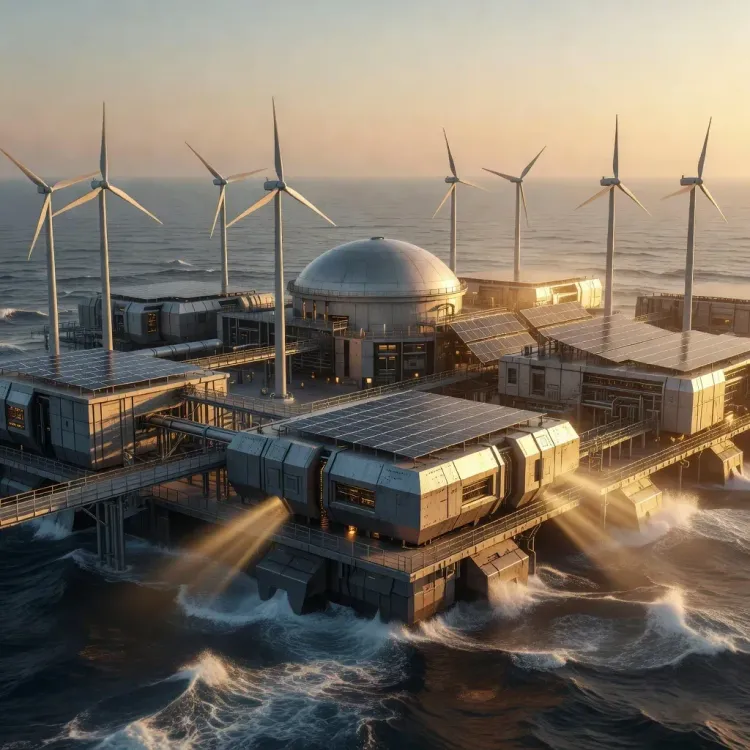
The hub would integrate a nuclear power platform , solar panels , a wind turbine , and a hydrogen production and green-fuel synthesis module .
The shipbuilder previously announced a thorium-based molten salt reactor cargo ship with capacity for 25,000 shipping containers .
The company described the concept as a "groundbreaking solution for the global shipping industry's carbon neutral transformation."
Jiangnan Shipyard, a subsidiary of state-owned China State Shipbuilding Corporation, has unveiled a blueprint for a massive nuclear-powered floating island designed to function as a container transfer terminal and vessel charging station, marking a bold step in the global push for carbon-neutral maritime logistics. The concept was announced at the Posidonia International Shipping Exhibition in Greece on Tuesday, 3 June 2026, and further details were shared on social media.
What the floating island concept entails
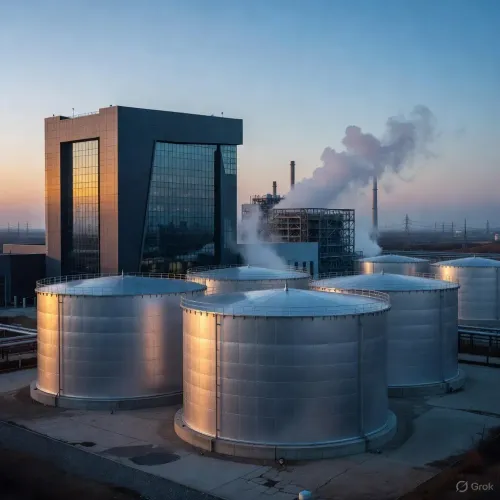
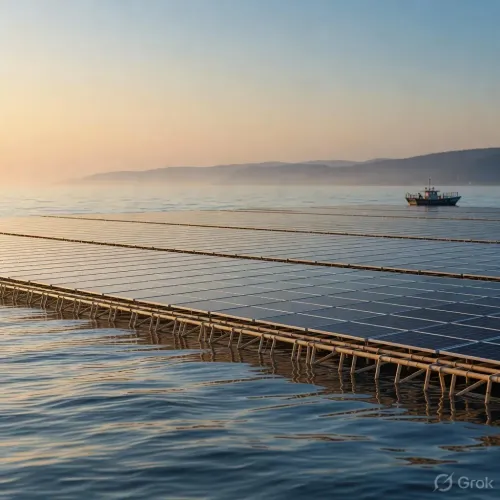
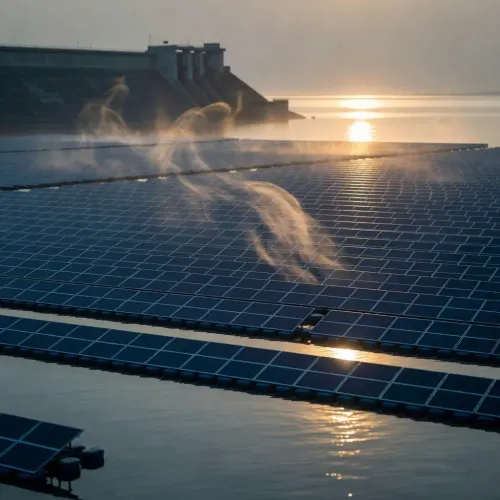
According to the company, the complex integrates shipping, port operations, energy production, and transshipment into a single offshore hub. The facility would be anchored around a zero-carbon heart — a dedicated nuclear power and green-fuel production platform housing a molten salt reactor, solar panels, a wind turbine, a hydrogen production and green-fuel synthesis module, and an electricity supply module.
The shipbuilder said the hub would "become a new ecosystem for zero-emission ocean container logistics" and provide a "groundbreaking solution for the global shipping industry's carbon neutral transformation."
The reactor technology behind it
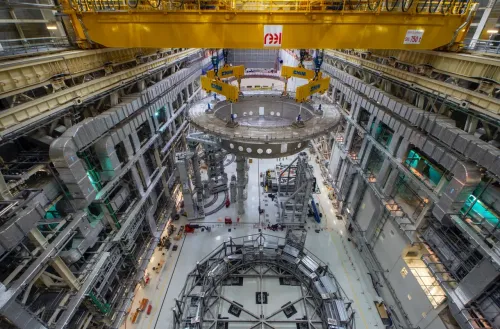
The floating terminal would be powered by advanced molten salt reactors that use liquefied salt as both fuel and coolant. These reactors can store large quantities of thermal energy and do not require water for cooling, making them particularly suited to offshore deployment.
Engineers at Jiangnan Shipyard have been developing nuclear-powered vessels for several years. Last year, the shipbuilder announced a cargo ship under development powered by a thorium-based molten salt reactor, with a capacity for 25,000 shipping containers — one of the largest container capacities proposed for a nuclear-powered vessel.
Why it matters for global shipping
The international shipping industry is under mounting pressure to decarbonise, with the International Maritime Organization targeting net-zero emissions by 2050. Floating nuclear hubs, if realised, could serve as mid-ocean refuelling and transshipment nodes, reducing port congestion and eliminating dependence on fossil-fuel bunkering infrastructure.
The Posidonia exhibition, one of the most influential platforms in global shipping, gave Jiangnan Shipyard's proposal immediate international visibility, signalling that China State Shipbuilding Corporation is positioning itself at the frontier of next-generation maritime infrastructure.
What's next
No construction timeline or regulatory approval pathway has been disclosed. The concept remains at the blueprint stage, and the commercial and nuclear licensing challenges involved in deploying a floating molten salt reactor on international waters are substantial. Industry observers will be watching whether Jiangnan Shipyard advances from conceptual design to a formal feasibility study or international partnership in the months ahead.
Point of View
And deploying one on a floating offshore terminal would require navigating an entirely uncharted international nuclear licensing regime — obstacles the announcement conspicuously sidesteps. What mainstream coverage tends to miss is that unveiling concepts at high-profile international venues like Posidonia is itself a geopolitical act, designed to shape standards conversations and attract partner nations before any steel is cut. The deeper story is whether China's integrated shipbuilding-nuclear industrial complex gives it a structural advantage in commercialising this technology faster than fragmented Western efforts.
NationPress
21 Oct 2026
Frequently Asked Questions
What is Jiangnan Shipyard's nuclear floating island?
It is a blueprint for a massive offshore complex that combines a nuclear power plant, container transshipment terminal, and green-fuel production facility. Jiangnan Shipyard says it would run on molten salt reactors and renewable energy sources including solar and wind, producing zero direct emissions.
What is a molten salt reactor and why is it used here?
A molten salt reactor uses liquefied salt as both fuel and coolant, allowing it to store large amounts of thermal energy and cool passively without water. This makes it well-suited for offshore or remote deployment where conventional water-cooled reactor designs would be impractical.
Where was the floating island concept announced?
The concept was unveiled at the Posidonia International Shipping Exhibition in Greece on Tuesday, 3 June 2026 . Jiangnan Shipyard also shared slides and details on social media following the announcement.
How does this relate to China's broader nuclear shipping ambitions?
Jiangnan Shipyard has been developing nuclear-powered vessels for several years. Last year it announced a cargo ship powered by a thorium-based molten salt reactor with capacity for 25,000 shipping containers , indicating the floating island concept is part of a sustained programme rather than a one-off proposal.
When could the nuclear floating island become a reality?
No construction timeline has been announced. The project is currently at the conceptual blueprint stage, and significant hurdles remain — including commercial viability, international nuclear licensing for offshore deployment, and regulatory frameworks that do not yet exist for this type of installation.