India's Green Asha Tanker Successfully Navigates Tense Strait of Hormuz
Synopsis
In a significant maritime achievement, the Indian-flagged tanker Green Asha has successfully crossed the Strait of Hormuz, despite ongoing regional tensions. This marks a continued commitment to secure vital energy routes amidst rising geopolitical risks.
Key Takeaways
Green Asha is the ninth Indian tanker to cross the Strait of Hormuz .
The Strait is crucial for global oil supply, with escalating tensions affecting maritime safety.
Indian shipping operations have demonstrated resilience amidst geopolitical risks.
The ongoing conflict in West Asia continues to influence energy markets globally.
Successful crossings include significant cargo deliveries of LPG and crude oil.
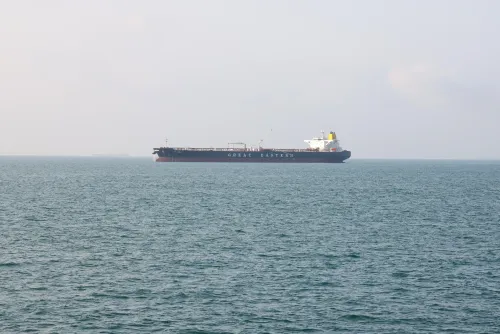
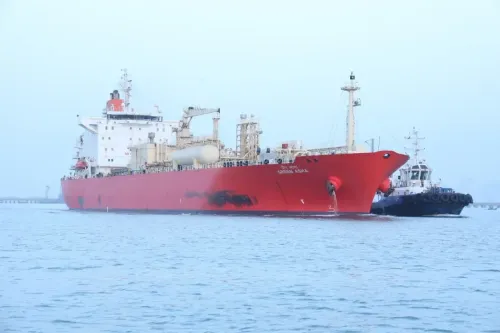
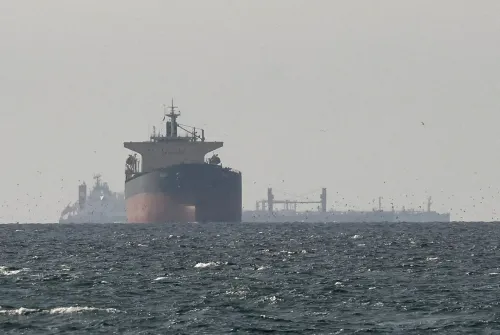
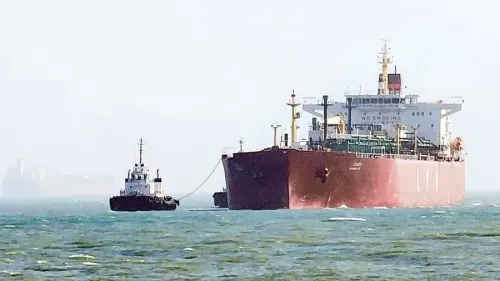
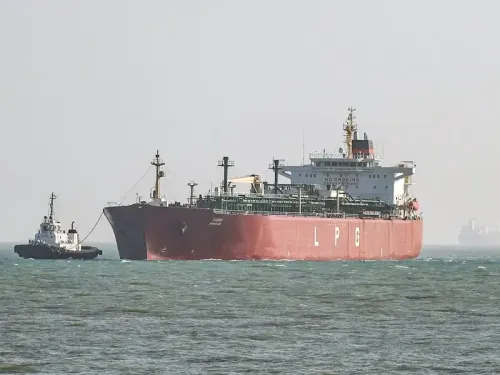
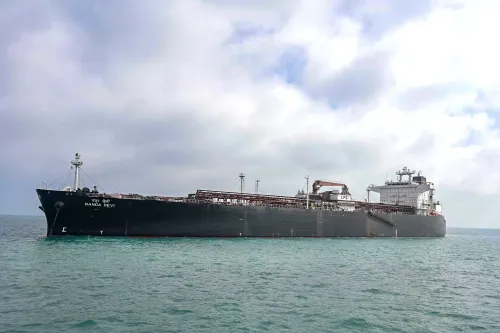
New Delhi, April 5 (NationPress) The Indian-flagged tanker Green Asha has successfully navigated through the Strait of Hormuz, becoming the ninth Indian tanker to traverse this critical maritime passage amidst the ongoing conflict in West Asia.
This achievement comes at a time when tensions are high and security threats persist, jeopardizing one of the globe’s key oil and energy supply routes.
Reports indicate that the Green Asha, an LPG carrier, demonstrates India's enduring dependence on the strait despite increasing dangers.
This crossing follows a pattern of similar voyages by Indian vessels operating under strict surveillance in the conflict-affected area.
The situation within the Strait of Hormuz has been unstable since Iran heightened its influence over the route following US-Israeli military actions on February 28.
This escalation has disrupted global fuel supplies and unsettled energy markets, with maritime data revealing that almost 60% of ships transporting commodities through this route either originate from or are bound for Iran.
Nonetheless, Indian shipping operations through the strait have remained notably steady.
Before the Green Asha's passage, at least eight Indian vessels had already completed their journeys through this corridor.
Notable among these were the LPG carriers BW TYR and BW ELM, which together transported around 94,000 tonnes of cargo through the conflict-ridden region.
In late March, four LPG tankers under the Indian flag, including Pine Gas and Jag Vasant, successfully delivered over 92,600 tonnes of LPG over a span of three days.
Earlier, MT Shivalik and MT Nanda Devi transported close to 92,700 tonnes of LPG to Gujarat’s Mundra and Kandla ports in mid-March.
Other shipments included both crude and refined fuels. The oil tanker Jag Laadki carried more than 80,000 tonnes of crude oil from the UAE to Mundra, while Jag Prakash crossed the strait with gasoline destined for African markets.
Recently, another LPG carrier, Green Sanvi, completed its transit with approximately 46,650 metric tonnes of cargo.
Point of View
It is paramount to highlight the ongoing challenges faced by Indian shipping in the Strait of Hormuz. The successful passage of the Green Asha reiterates India's commitment to ensuring energy security, even in the face of geopolitical conflicts. This development is a testament to the resilience of our maritime operations.
NationPress
13 Oct 2026
Frequently Asked Questions
What is the significance of the Strait of Hormuz?
The Strait of Hormuz is a vital maritime corridor, crucial for global oil and energy supplies, with around 60% of the world's oil trade passing through it.
How many Indian tankers have crossed the Strait of Hormuz recently?
The Green Asha is the ninth Indian tanker to cross the Strait of Hormuz since the conflict in West Asia intensified.
What types of cargo are being transported through the strait?
Indian vessels have been transporting various types of cargo, including LPG, crude oil, and gasoline, through the Strait of Hormuz.
What challenges are present in the Strait of Hormuz?
The region is facing heightened tensions and security concerns, particularly due to increased Iranian control following military actions in the area.
How does this affect global fuel supplies?
The situation in the Strait of Hormuz directly impacts global fuel supplies, leading to volatility in energy markets.