India to outperform global peers on consumption, FTAs: HSBC MF CEO
Synopsis
HSBC Mutual Fund India CEO Kailash Kulkarni sees India's growth story as structurally intact — powered by domestic consumption, a wave of new FTAs spanning textiles to defence and IT, and disciplined SIP investors who are no longer rattled by global volatility. His call: India stays above 7% growth even as the rest of the world wobbles.
Key Takeaways
HSBC Mutual Fund India CEO Kailash Kulkarni said India will continue outperforming most major global economies despite global uncertainties.
Three key drivers cited: government focus on balance sheet strength , rising FDI inflows , and expanding Free Trade Agreements (FTAs) .
FTAs expected to benefit sectors including jute, textiles, automobiles, defence, and IT — not just a single industry.
Trade agreements projected to help sustain GDP growth of over 7 per cent .
Mid- and small-cap stocks have historically outperformed large-caps over the long term, though they underperform during periods of heightened volatility.
SIP inflows continue to rise as Indian investors adopt a more disciplined, long-term investment approach.
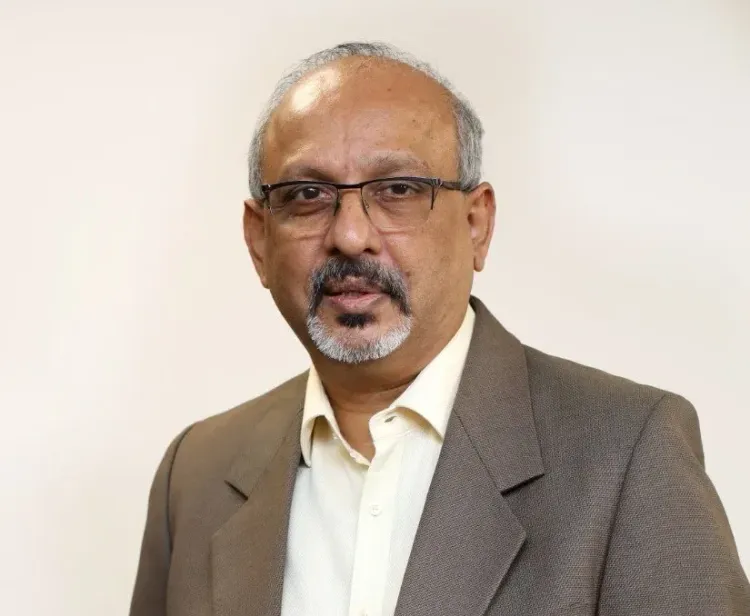
HSBC Mutual Fund India Chief Executive Officer Kailash Kulkarni on Wednesday, 5 August said India is well-positioned to continue outpacing most major global economies, citing strong domestic consumption, rising foreign direct investment, and an expanding network of Free Trade Agreements (FTAs) as the primary growth drivers. Speaking in an interview, Kulkarni expressed confidence that India's structural tailwinds would sustain its economic momentum despite persistent global headwinds.
Key Growth Drivers Identified
Kulkarni attributed India's resilient economic performance to three foundational pillars: the government's sustained focus on strengthening corporate and sovereign balance sheets, accelerating FDI inflows, and the country's growing roster of bilateral and multilateral trade agreements. He argued that these factors, in combination, create a self-reinforcing cycle of investment and output growth.
'India's economy will continue to perform better than many other countries despite global uncertainties. Strong domestic consumption and continued growth in exports will support the economy,' Kulkarni said.
FTAs to Benefit Multiple Sectors
On the trade front, Kulkarni noted that India's recently concluded FTAs are unusually broad in sectoral coverage — a departure from past agreements that often concentrated gains in a narrow cluster of industries. 'Industries such as jute, textiles, automobiles, defence, information technology and several others stand to gain from these agreements,' he said. He added that the trade pacts would help sustain GDP growth of over 7 per cent. This comes amid India's ongoing negotiations with the European Union, the United Kingdom, and several other economies, signalling a more aggressive trade-diplomacy posture than in previous years.
Mid- and Small-Cap Outlook
Asked whether mid- and small-cap stocks would continue to outperform their large-cap counterparts, Kulkarni offered a nuanced view. He noted that while history supports the long-term outperformance of smaller market segments, elevated volatility environments tend to favour large-caps in the near term. 'Whenever markets witness heightened volatility, mid- and small-cap stocks tend to underperform. However, over the long-term period, they have historically generated better returns than largecap stocks,' he said. The observation is particularly relevant given recent global risk-off sentiment triggered by US macro data and geopolitical tensions.
SIP Flows Remain Resilient
Kulkarni also highlighted a structural shift in Indian investor behaviour. He said sustained awareness campaigns over recent years have encouraged a more disciplined, long-term investment approach, with Systematic Investment Plans (SIPs) continuing to attract growing inflows even during periods of market stress. The trend suggests retail investors are increasingly treating SIPs as a volatility-management tool rather than exiting during downturns — a behavioural evolution that bodes well for the mutual fund industry's asset base stability.
What to Watch
With global central banks navigating a delicate balance between inflation control and growth support, India's relative insulation — anchored in domestic demand — gives it a structural edge. Whether that edge translates into sustained above-7% growth will depend on the pace of FTA implementation, the quality of FDI inflows, and the government's ability to maintain fiscal discipline while funding infrastructure. The next quarterly GDP print and FII flow data will be closely watched by markets.
Point of View
With implementation lags and non-tariff barriers often blunting the headline benefit. The 7%-plus growth projection also assumes global demand holds up, which is precisely the variable under pressure right now. On SIPs, the resilience narrative is real, but it has not yet been stress-tested against a prolonged domestic downturn rather than a global risk-off episode. The more telling signal will be whether SIP inflows hold if Indian corporate earnings disappoint for two or three consecutive quarters.
NationPress
20 Sept 2026
Frequently Asked Questions
Why does HSBC Mutual Fund India CEO expect India to outperform global economies?
Kailash Kulkarni cited three factors: the government's focus on strengthening balance sheets, rising FDI inflows, and India's expanding network of Free Trade Agreements. He said strong domestic consumption would further insulate the economy from global uncertainties.
Which sectors will benefit from India's new Free Trade Agreements?
According to Kulkarni, the FTAs are broad-based and will benefit sectors including jute, textiles, automobiles, defence, and information technology, among others. He noted this multi-sector coverage distinguishes the current agreements from narrower past deals.
Will mid- and small-cap stocks continue to outperform large-caps in India?
Kulkarni said history supports long-term outperformance by mid- and small-cap stocks, but cautioned they tend to underperform during periods of heightened market volatility. Investors with a long-term horizon have historically been rewarded, but near-term risk is higher.
Why are SIP inflows rising despite global market uncertainty?
Kulkarni attributed the trend to sustained investor awareness campaigns that have encouraged a disciplined, long-term investment mindset. As a result, more investors are using SIPs as a tool to navigate volatility rather than withdrawing during downturns.
What GDP growth rate does HSBC Mutual Fund India project for India?
Kulkarni said India's expanding FTAs and domestic demand drivers would help the economy sustain growth of over 7 per cent, even amid persistent global uncertainties.