Is India the Fastest Growing Economy with a Credit Rating Upgrade?
Synopsis
India's rapid economic growth at 8.2% positions it as the fastest growing major economy, as affirmed by FM Nirmala Sitharaman in Parliament. This growth, despite the pandemic challenges, has led to credit rating upgrades from major global agencies, highlighting India's resilience and transformative reforms. Discover the key statistics and trends driving India's economy.
Key Takeaways
India's growth rate is 8.2% , making it the fastest major economy.
Credit ratings upgraded by three global agencies.
India's resilience shown through economic recovery post-Covid-19.
Significant growth in electronics and exports.
Improvement in wealth distribution among the population.
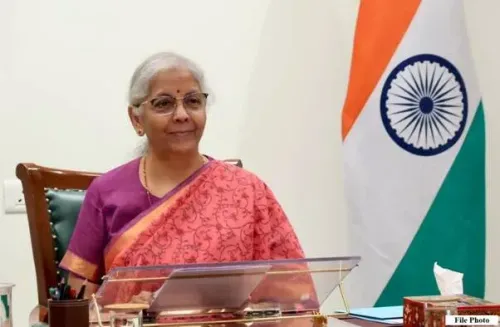
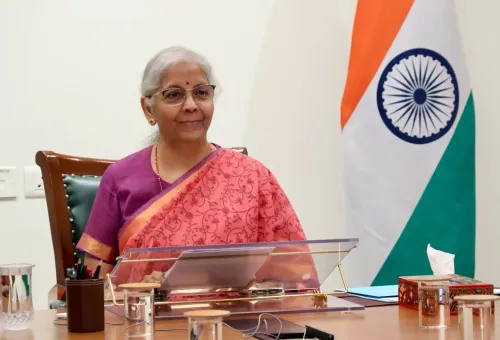
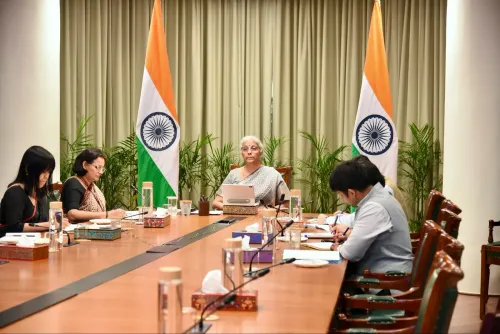
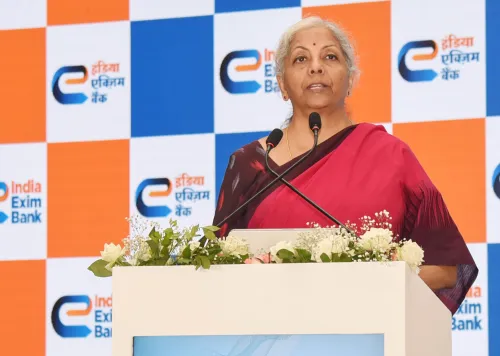
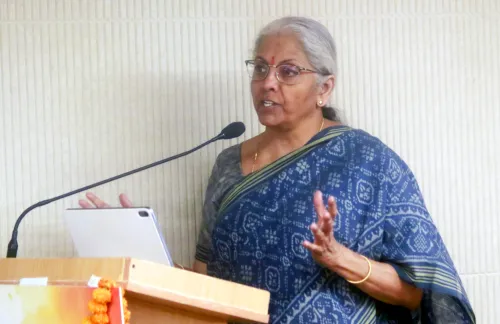
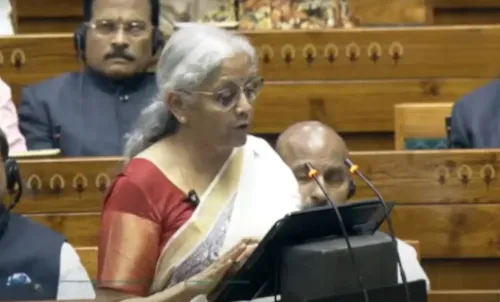
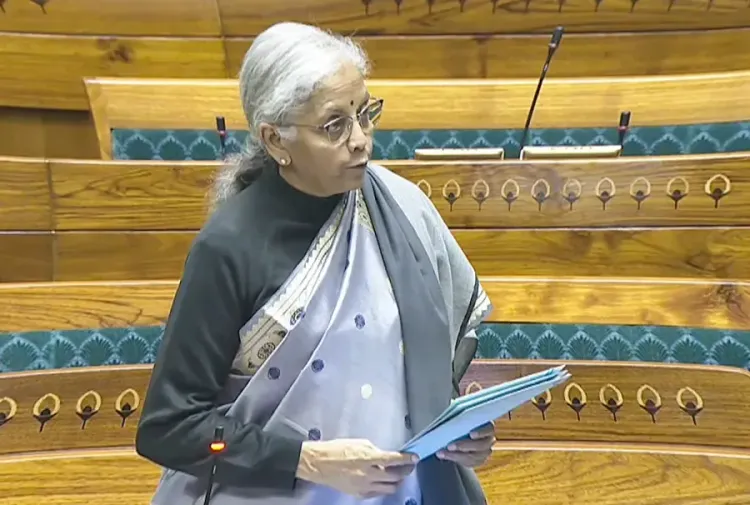
New Delhi, Dec 15 (NationPress) As global growth stands at 3.2%, India is surging ahead at 8.2%, establishing itself as the fastest expanding major economy. This was highlighted by Finance Minister Nirmala Sitharaman during her address to Parliament on Monday, noting that numerous global institutions are revising their growth forecasts for India in the current fiscal year (FY26).
Emphasizing that no “dead economy” receives a credit rating upgrade, she pointed out that India has achieved rating enhancements from three prominent international agencies: Morningstar DBRS, S&P, and R&I.
“IMF Chief Kristalina Georgieva recently shared her confidence in India, stating, ‘I’m very big on India because of the boldness of their reforms… India has proven the naysayers wrong’,” FM Sitharaman conveyed to the House.
Despite facing the challenges of Covid-19, a once-in-a-century pandemic, India has maintained its status as the fastest growing major economy for the past three to four years.
“Shouldn’t the people of India be acknowledged for their resilience? India has navigated high twin deficits - a fiscal deficit of 4.9% in FY13 and a current account deficit (CAD) of 4.8% in FY13. The average WPI inflation in food items was 12.2% annually over the five years ending in 2013-14,” she remarked.
She also indicated that India has emerged as a net exporter in sectors such as electronics, pharmaceuticals, engineering goods, and defense.
“In 2014-15, the production value of electronics goods was ₹1.9 lakh crore, which is projected to rise to ₹11.3 lakh crore by 2024-25. Exports of electronics goods grew from ₹38,000 crore in 2014-15 to a staggering ₹3.27 lakh crore in 2024-25. The number of mobile manufacturing units has skyrocketed from 2 in 2014-15 to 300 in 2024-25,” the Finance Minister elaborated.
Data indicates that the Bottom 40% (B40) of the population is accumulating wealth and assets significantly faster than the Top 20% (T20).
“The inequality in asset ownership has drastically decreased, especially in urban areas where disparities in ownership of key assets like motor vehicles and refrigerators have diminished significantly. The purchasing power of the rural poor has also seen substantial growth,” FM Sitharaman concluded, highlighting that the growth over the last decade has been inclusive and widespread.
Point of View
It is crucial to recognize India's remarkable economic journey amidst global challenges. As the country showcases its potential through significant growth and credit upgrades, it is a testament to its resilience and reformative policies. This progress should be celebrated, while also ensuring that the benefits of growth are equitably distributed across all socio-economic strata.
NationPress
30 Sept 2026
Frequently Asked Questions
What is India's current growth rate?
India is currently growing at 8.2% , making it the fastest growing major economy.
Which agencies upgraded India's credit rating?
India received credit rating upgrades from Morningstar DBRS, S&P, and R&I.
What sectors is India a net exporter in?
India is a net exporter in electronics, pharmaceuticals, engineering goods, and defense.
How has the rural poor's purchasing power changed?
The rural poor have experienced a significant growth in purchasing power, contributing to a decline in inequality.
What was the electronics production value in 2014-15?
In 2014-15, the production value of electronics goods was ₹1.9 lakh crore .