Nvidia Highlights AI's Role in Building New US Opportunities
Synopsis
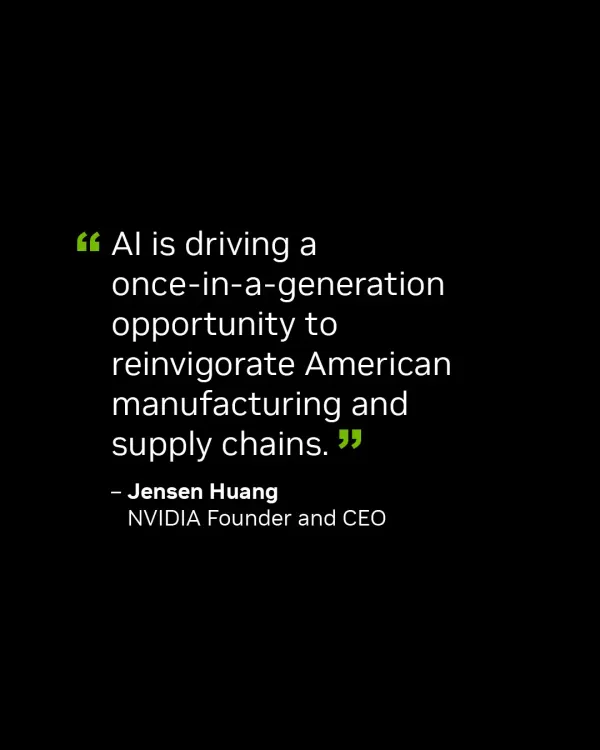
Chip giant Nvidia on 1 July 2026 used its official X account to spotlight how AI is generating new opportunities to build in America, reinforcing corporate alignment with US domestic semiconductor and AI-infrastructure policy under the CHIPS and Science Act.
Key Takeaways
Nvidia's official X account on 1 July 2026 promoted AI as a driver of new domestic building and manufacturing opportunities in the United States .
The post aligns with the CHIPS and Science Act of 2022 , which provided $52 billion in subsidies to expand American semiconductor and AI infrastructure capacity.
US policy has prioritised reshoring chip production amid supply-chain disruptions in 2020–2022 and strategic competition with China .
Key stakeholders include semiconductor manufacturers and the broader US tech workforce , who stand to benefit from AI-driven construction and factory investment.
Global GPU supply dynamics — including access for Indian AI startups and cloud providers — could be affected by the pace of US domestic buildout.
Further CHIPS Act grant announcements and executive actions on AI export controls remain key developments to watch.
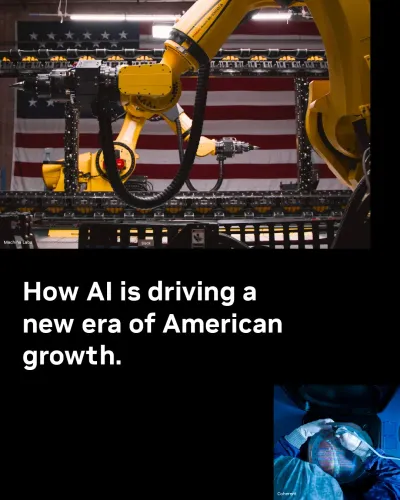
Chip giant Nvidia on Wednesday, 1 July 2026 shared a message on X spotlighting how artificial intelligence is generating fresh opportunities for domestic construction and manufacturing in the United States, directing followers to a linked resource that elaborates on the theme.
Context
Nvidia's post — 'See how AI is creating new opportunities to build in America' — arrives as the company has deepened its alignment with federal efforts to onshore semiconductor production and AI infrastructure. The corporate account's framing emphasises job creation and domestic investment, themes that resonate with the broader US industrial-policy agenda of the mid-2020s.
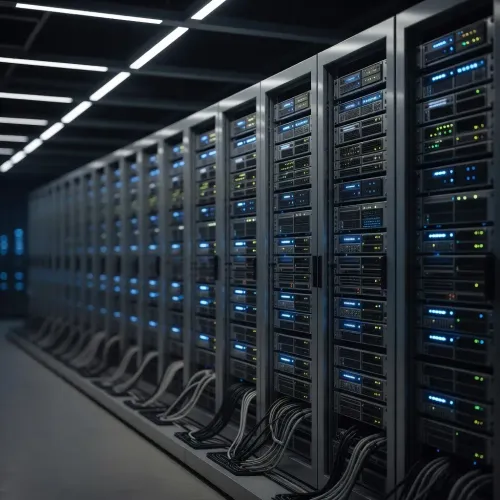
Nvidia designs the high-performance GPUs that underpin data centres, large-language-model training, and AI inference workloads. Its hardware has become central to the global race for AI capability, making the company's domestic-investment signals closely watched by policymakers and industry alike.
Policy Backdrop
The post lands against the backdrop of the CHIPS and Science Act of 2022, which allocated $52 billion in subsidies and tax credits to expand American semiconductor fabrication and research capacity. The legislation was a direct response to supply-chain vulnerabilities exposed between 2020 and 2022 and to strategic competition with China in advanced chip production.
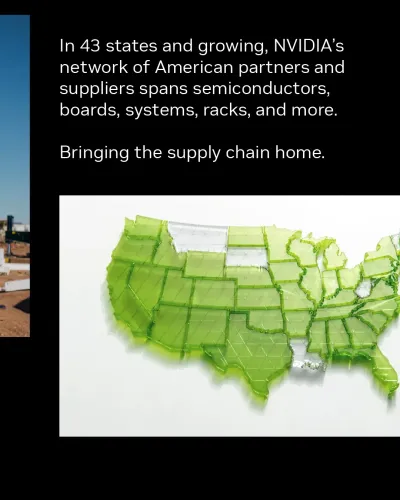
US policy has since pushed for reshoring not just chip fabrication but also the AI data-centre infrastructure that depends on advanced processors. Nvidia's messaging reflects a deliberate corporate alignment with those federal incentives, signalling to investors, partners, and policymakers that the company views domestic buildout as a growth vector.
Stakeholders and Impact
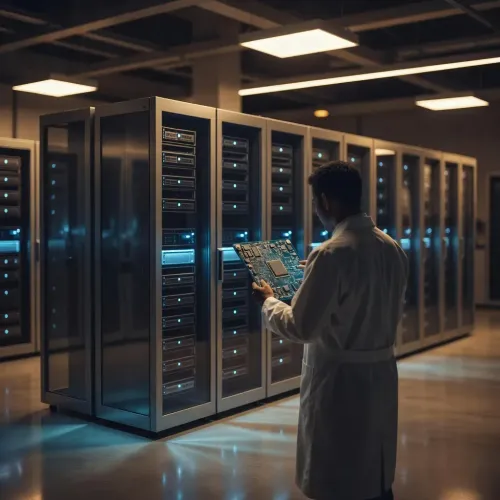
The primary beneficiaries of an AI-driven domestic construction wave would be semiconductor manufacturers, construction contractors, and the broader US tech workforce. Factory builds for chip fabs and data centres are capital-intensive projects that generate both high-skill engineering roles and large volumes of trades employment.
For India, Nvidia's US-centric messaging carries indirect significance: Indian technology services firms, cloud providers, and AI startups that depend on Nvidia hardware for their own buildouts track the company's supply commitments and pricing closely. Any acceleration in US domestic production could ease global GPU supply constraints that have affected Indian enterprises.
What's Next
Observers will watch for further CHIPS Act grant announcements and any new executive actions on AI export controls or domestic data-centre investment mandates. Nvidia's continued public emphasis on American manufacturing suggests the company anticipates additional federal incentives and may be positioning itself for forthcoming policy announcements.
The convergence of AI capability demand, federal funding, and corporate investment pledges points toward an intensifying buildout cycle in US technology infrastructure — one whose ripple effects on global chip supply and AI access will be felt well beyond American borders.
Point of View
' Nvidia reinforces its leverage with lawmakers who control CHIPS Act disbursements and AI export-control regimes. For India, the subtext is notable: a US-first Nvidia supply posture could shape the availability and cost of AI hardware for Indian enterprises navigating their own digital-infrastructure ambitions.
NationPress
30 Sept 2026
Frequently Asked Questions
What did Nvidia post on X on 1 July 2026?
Nvidia's official X account posted a message saying 'See how AI is creating new opportunities to build in America,' linking to a resource elaborating on domestic AI-driven manufacturing and construction opportunities.
What is the CHIPS and Science Act and how does it relate to Nvidia?
The CHIPS and Science Act of 2022 is a US law providing $52 billion in subsidies and tax credits to expand domestic semiconductor manufacturing. Nvidia's public emphasis on American buildout aligns with the incentives this legislation created for chip and AI infrastructure investment.
How does Nvidia's US manufacturing focus affect India?
Indian AI startups, cloud providers, and technology firms depend on Nvidia GPUs for their own infrastructure. An accelerated US domestic production cycle could ease global supply constraints and influence pricing for Indian enterprises.
Why is the US pushing to onshore chip and AI production?
Supply-chain disruptions between 2020 and 2022 exposed US dependence on foreign chip sources, and strategic competition with China in advanced semiconductors prompted Washington to incentivise domestic fabrication and AI data-centre construction.
What should we watch after Nvidia's AI-in-America post?
Key developments include further CHIPS Act grant announcements, new executive actions on AI export controls, and any Nvidia-specific domestic data-centre or factory investment commitments that may follow this public messaging.