Nvidia at AI for Good Summit: Infrastructure, Trust, Global Access
Synopsis
Nvidia joined the UN-backed AI for Good Summit in Geneva on 7 July 2026, committing to efforts on closing the global compute infrastructure gap, building digital trust for autonomous systems, and exploring generative AI's effects on creativity alongside musician John Legend.
Key Takeaways
Nvidia participated in the AI for Good Summit in Geneva on 7 July 2026 , engaging leaders across sectors on AI's global impact.
The company identified trust as 'the defining challenge' as AI adoption scales, calling for ecosystems that integrate data, governance, and collaboration.
Nvidia is joining John Legend and global music leaders to examine how generative AI is reshaping creativity, ownership, and human expression.
The AI for Good Summit is an annual UN ITU forum launched in 2017 to align AI with the Sustainable Development Goals.
The summit's agenda on compute access and digital-trust standards carries direct relevance for developing nations , including India.
Follow-on ITU and UN General Assembly sessions in late 2026 may convert summit discussions into draft multilateral recommendations.
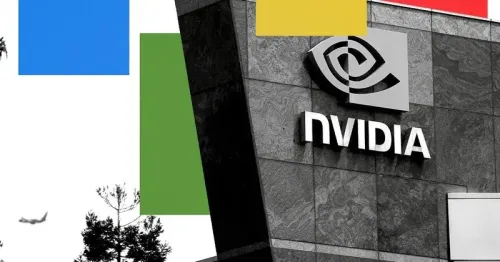
Chip giant Nvidia announced its participation at the AI for Good Summit in Geneva on 7 July 2026, outlining its role in shaping artificial intelligence for global benefit — with a focus on closing infrastructure gaps, expanding compute access, and building digital trust in an era of autonomous systems.
Context
In a post on X, Nvidia said it is 'working with leaders across sectors to ensure AI benefits everyone — not just a few.' The company highlighted that as AI adoption scales, trust has become 'the defining challenge,' with conversations at the summit centring on building ecosystems that connect data, governance, and collaboration — moving from fragmented efforts to integrated, scalable systems.
Nvidia also confirmed it is joining global music leaders, including John Legend, to explore how generative AI is transforming creativity and raising new questions about ownership, collaboration, and human expression. The company framed the summit's core thesis plainly: 'Building AI for good requires infrastructure, trust, and global cooperation.'
Policy Backdrop
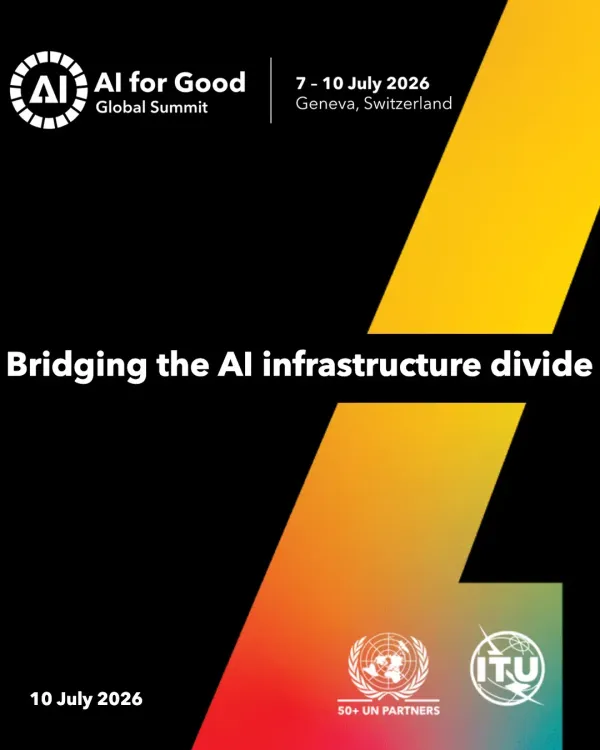
The AI for Good Summit is an annual forum convened by the United Nations' International Telecommunication Union (ITU), first held in 2017, to align AI development with the UN Sustainable Development Goals. Geneva, home to the ITU and multiple UN agencies, has become a recurring venue for global technology-governance dialogue.
International AI policy has steadily moved from purely national strategies toward multilateral frameworks. The 2024 AI Seoul Summit produced a voluntary code of conduct for advanced AI developers emphasising transparency and risk management — a lineage that the Geneva summit builds upon. These efforts run alongside intensifying geopolitical competition over semiconductor supply chains and growing regulatory scrutiny of generative-AI copyright and safety.
Nvidia itself joined the Partnership on AI in 2017, committing to research on the ethical and societal implications of the technology — a posture it continues to project through engagements like the Geneva summit.
Stakeholders and Impact
The summit's agenda carries direct implications for developing-country governments, which have long argued that compute access and AI infrastructure remain concentrated in a handful of wealthy nations. Nvidia's framing — closing the 'infrastructure gap' — speaks directly to this concern, positioning the company as a partner in broadening access rather than a gatekeeper of it.
For the creative industries, the participation of John Legend alongside Nvidia signals that generative AI's impact on music, authorship, and intellectual property is now squarely on the agenda of major technology forums. Questions of ownership and human expression in AI-generated content remain legally and ethically unresolved across most jurisdictions, including India, where the creative economy is substantial.
AI developers and international regulators attending the summit are expected to focus on translating high-level principles into actionable standards on compute sharing, data governance, and model safety — areas where no binding global framework yet exists.
What's Next
Follow-on sessions at the ITU or the UN General Assembly later in 2026 may translate the Geneva summit's discussions into draft recommendations on AI infrastructure sharing and digital-trust frameworks. Whether voluntary commitments made at such forums evolve into binding multilateral obligations remains the central open question in global AI governance.
For India, which is expanding its own AI compute infrastructure under national programmes and is a significant voice in the Global South's technology diplomacy, the outcomes of Geneva-level conversations carry direct policy relevance. The degree to which Nvidia and peers formalise commitments on equitable access will shape how developing economies integrate into the next phase of AI-driven growth.
Point of View
Which is simultaneously a large AI-growth market and a vocal advocate for equitable technology access in multilateral forums, the Geneva discussions feed directly into domestic policy debates about compute sovereignty and AI regulation. The shift from fragmented national efforts toward integrated, scalable global frameworks — if it materialises — would reshape the terms on which emerging economies adopt and govern AI.
NationPress
7 Jul 2026
Frequently Asked Questions
What is the AI for Good Summit in Geneva?
The AI for Good Summit is an annual forum organised by the United Nations' International Telecommunication Union (ITU) in Geneva, first held in 2017, to align artificial intelligence development with the UN Sustainable Development Goals and promote inclusive, beneficial AI applications.
Why is Nvidia at the AI for Good Summit 2026?
Nvidia participated to engage with global leaders on closing the AI infrastructure gap, expanding access to compute resources, and building digital trust frameworks for autonomous systems — positioning the company as a partner in making AI accessible beyond wealthy nations.
What is John Legend doing at the AI for Good Summit?
Musician and public advocate John Legend joined Nvidia and other global music leaders at the summit to explore how generative AI is transforming creativity and raising unresolved questions about ownership, collaboration, and human expression in AI-generated content.
What does 'closing the infrastructure gap' mean in AI?
It refers to the disparity in access to the computing power — servers, GPUs, and data centres — needed to develop and deploy AI. Developing countries often lack this infrastructure, concentrating AI capabilities in a few wealthy nations and companies.
How does the Geneva AI summit affect India?
India, as a major AI-growth market and Global South voice in technology diplomacy, has a direct stake in Geneva-level discussions on compute access and digital-trust standards, which could shape the terms on which emerging economies integrate into global AI ecosystems.