TSMC chair C.C. Wei says chipmaker 'not afraid' of China rivals amid AI surge
Synopsis
TSMC chairman C.C. Wei publicly dismissed fears of Chinese chip rivals at the company's 2026 annual meeting, declaring it 'not afraid' — even as SMIC's Q1 wafer capacity jumped by 9,000 units and Beijing accelerates its semiconductor self-sufficiency drive.
Key Takeaways
Wei said on 4 June 2026 that the company is 'not afraid' of competition from mainland Chinese chipmakers.
Wei stated that TSMC 's 16-nanometre fab in Nanjing has strong local government support and faces no asset risk.
SMIC 's wafer utilisation rate rose 3.5 percentage points year-on-year in Q1 2026 , with monthly capacity up by 9,000 8-inch equivalent wafers .
Huawei Technologies is promoting alternative chip-performance approaches as part of Beijing 's semiconductor self-sufficiency push.
TSMC has maintained its leadership position over its four-decade history by prioritising manufacturing technology, Wei said.
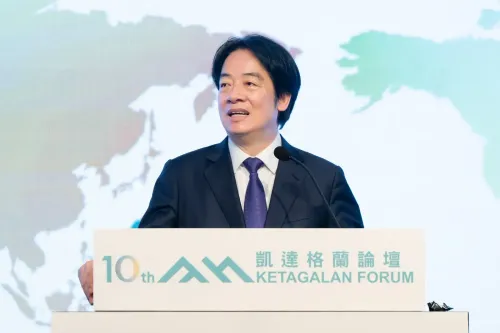
Taiwan Semiconductor Manufacturing Co (TSMC) chairman C.C. Wei declared on Thursday, 4 June 2026, that the world's largest contract chipmaker is 'not afraid' of competition from mainland Chinese rivals, directly addressing investor concerns about the growing threat posed by Huawei Technologies and domestic Chinese foundries to TSMC's dominance in the global semiconductor industry.
Wei's reassurance at annual shareholders' meeting
Speaking at TSMC's annual shareholders' meeting, Wei responded to a shareholder's question by noting that competition has been a constant throughout the company's four-decade history. He said the company would continue to rely on its manufacturing leadership to maintain its edge. The remarks were widely seen as a direct rebuttal to concerns that Chinese chipmakers are closing the technology gap.
Nanjing plant faces 'no asset risk', Wei says
Wei also moved to reassure investors about TSMC's 16-nanometre fabrication plant in Nanjing, China, stating the facility enjoys strong support from local authorities, healthy customer demand, and efficient operations. He added that the plant faces no asset risk — a notable statement given rising geopolitical tensions between Washington and Beijing over semiconductor supply chains. The Nanjing facility has been a focal point of investor scrutiny as US export controls tighten.
Why it matters: China's chip self-sufficiency push
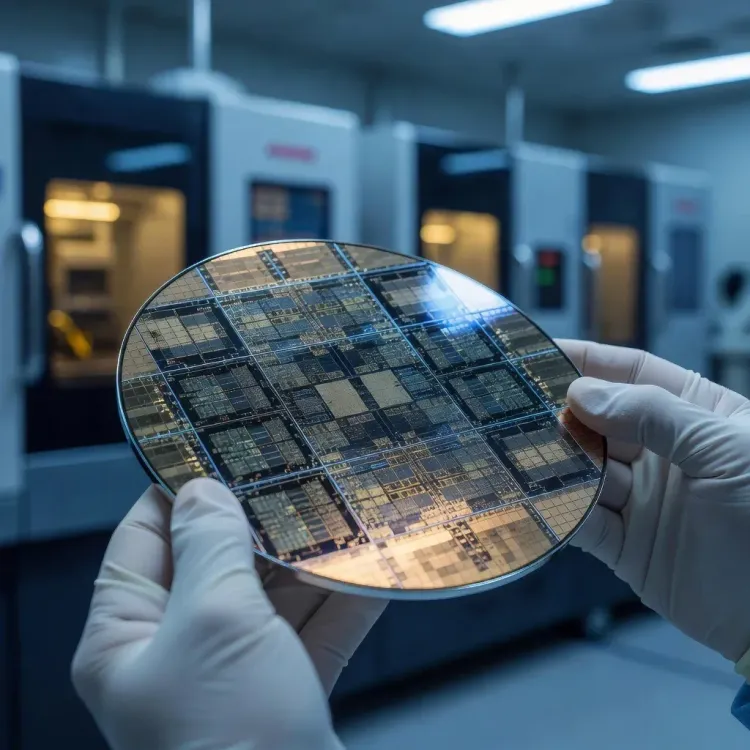
Beijing has been accelerating efforts to build a self-sufficient semiconductor supply chain in direct response to US export controls, with mainland foundries expanding mature-node production and Huawei promoting alternative approaches to improving chip performance. Chinese contract chipmakers, led by Semiconductor Manufacturing International Corp (SMIC), have been ramping capacity for mature-node semiconductors, benefiting from supply-chain localisation and order transfers from overseas customers. SMIC's wafer utilisation rate rose 3.5 percentage points in the first quarter from a year earlier, even as its monthly capacity increased by 9,000 8-inch equivalent wafers in the same period.
The competitive backdrop
The AI boom has intensified demand for advanced chips, reinforcing TSMC's position at the leading edge of semiconductor manufacturing — an area where Chinese foundries remain years behind. However, the surge in mature-node capacity from SMIC and other mainland players is reshaping the mid-tier chip market, where price competition is intensifying. Huawei's push to develop proprietary chip architectures adds a further dimension to the competitive threat that TSMC is publicly downplaying.
What's next
Investors will be watching whether TSMC's advanced-node order book — driven by AI accelerator demand — continues to insulate it from mature-node pricing pressure. The fate of the Nanjing plant under evolving US export-control rules remains the most immediate operational risk to monitor. Any further tightening of restrictions on equipment or materials shipped to China could force a strategic reassessment of TSMC's mainland footprint.
Point of View
Not complacency — TSMC's advanced-node moat remains formidable, but the real battleground is the mature-node segment where SMIC's utilisation and capacity gains are tangible and accelerating. Mainstream coverage focuses on the leading-edge gap; what it underweights is the downstream supply-chain displacement already underway as Chinese manufacturers capture order flow from overseas customers subject to US controls. The Nanjing plant comment is the more consequential signal: TSMC is explicitly signalling it will not voluntarily exit China, even as Washington tightens the screws — a tension that will define the company's geopolitical risk profile through the rest of the decade.
NationPress
21 Oct 2026
Frequently Asked Questions
What did TSMC's chairman say about Chinese chip competition?
TSMC chairman C.C. Wei said the company is 'not afraid' of competition from mainland Chinese rivals, including Huawei Technologies and domestic foundries. He made the remarks at TSMC's annual shareholders' meeting on 4 June 2026, noting that competition has been a constant throughout the company's four-decade history.
Is TSMC's Nanjing plant at risk from US-China tensions?
C.C. Wei said the Nanjing 16-nanometre fabrication plant faces no asset risk, citing strong local government support and healthy customer demand. However, the plant remains a focal point for investors given ongoing US export control measures targeting China's semiconductor sector.
How is SMIC competing with TSMC?
SMIC, China's leading contract chipmaker, is expanding mature-node semiconductor capacity rather than directly challenging TSMC at the leading edge. In Q1 2026, SMIC's wafer utilisation rate rose 3.5 percentage points year-on-year, and monthly capacity increased by 9,000 8-inch equivalent wafers.
Why is China building its own semiconductor supply chain?
Beijing is accelerating semiconductor self-sufficiency efforts in direct response to US export controls that restrict access to advanced chip-making equipment and technology. Mainland foundries are expanding mature-node production and companies like Huawei are developing alternative approaches to chip performance improvement.
How does the AI boom affect TSMC's competitive position?
The AI boom has driven surging demand for advanced chips, an area where TSMC retains a commanding lead over Chinese rivals. This demand is expected to reinforce TSMC's revenue and margin outlook even as Chinese foundries gain ground in the mature-node segment of the market.