IPC Membership Gathering 2024: 250+ Paralympic leaders meet in Berlin to shape 2027-2030 strategy
Synopsis
More than 250 Paralympic leaders descended on Berlin for the IPC's three-day Membership Gathering, the most significant consultative forum before the new 2027-2030 strategic cycle kicks in. With 44 Solidarity Programme members in attendance — co-funded by the German government — the meeting signals a deliberate push to widen global Para sport participation beyond traditional powerhouses.
Key Takeaways
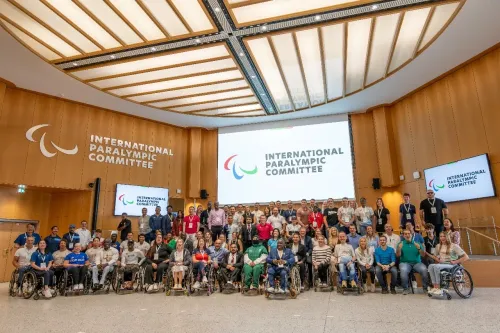
More than 250 leaders from the global Paralympic Movement attended the IPC Membership Gathering in Berlin from 7 to 9 November .
The forum was centred on shaping the IPC's 2027-2030 Strategic Plan , with members providing feedback on strategic goals and success benchmarks.
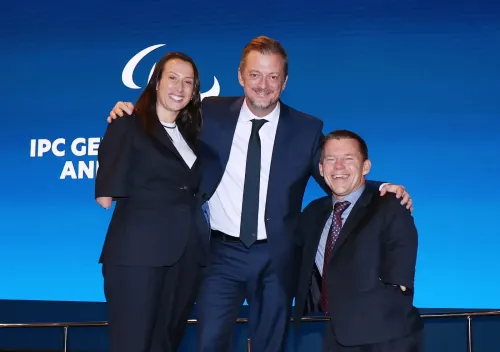
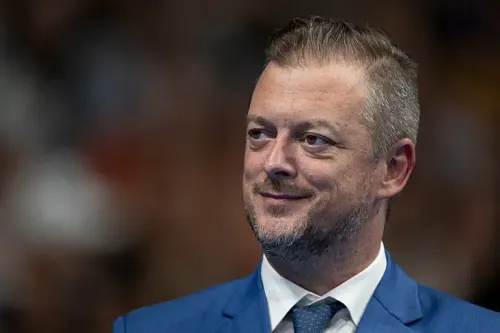
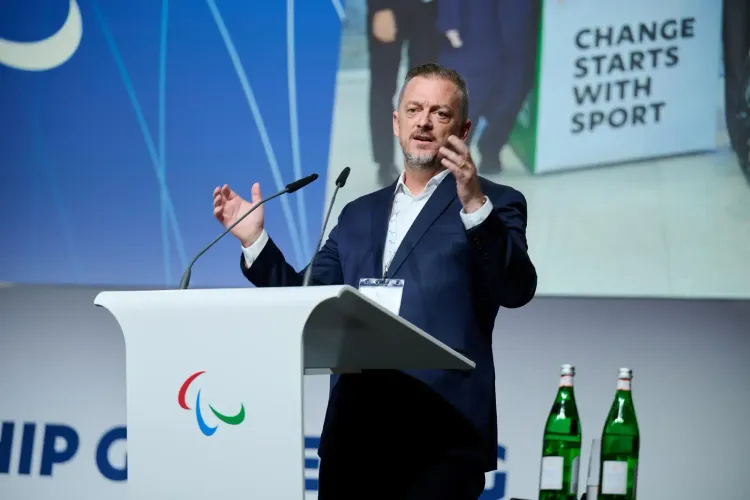
IPC President Andrew Parsons and Interim CEO Kristina Molloy addressed delegates alongside Germany's State Minister Ronald Rauhe .
44 of the 158 members in attendance were part of the IPC Solidarity Programme , co-funded by the German Federal Chancellery .
Sessions covered the 2025 IPC Classification Code , governance of World Para Sports , athlete pathways, and Sport for Mobility grant funding .
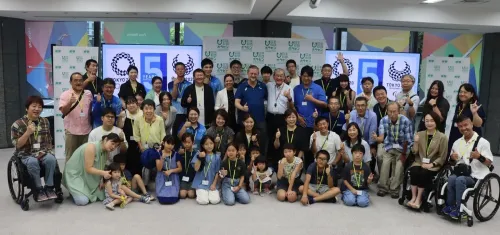
More than 250 leaders from across the global Paralympic movement gathered in Berlin, Germany, from 7 to 9 November for the International Paralympic Committee (IPC) Membership Gathering, a three-day forum dedicated to shaping the future of Para sport through the forthcoming 2027-2030 IPC Strategic Plan. Held under the theme 'Coming Together: A Call to Action,' the event brought together representatives from National Paralympic Committees (NPCs), International Federations, International Organisations of Sport for the Disabled, Regional Organisations, and the IPC itself.
Key Developments at the Berlin Forum
The gathering opened with a welcome address by IPC President Andrew Parsons and a message from Germany's State Minister for Sports and Volunteering Ronald Rauhe, who reaffirmed his country's commitment to advancing disability inclusion through Para sport. The first day featured updates on the state of the Paralympic Movement, including progress reports on preparations for future Paralympic Games.
A central focus of the second day was the upcoming 2027-2030 IPC Strategic Plan, with members invited to provide feedback on emerging strategic goals and define benchmarks for success in the next strategic cycle. An update was also provided on the ongoing transfer of governance of World Para Sports.
The third day opened with a session on classification and the implementation of the 2025 IPC Classification Code.
What IPC Leaders Said
IPC President Andrew Parsons said: 'The strength of the Paralympic Movement has always been our ability to unite behind a shared purpose. Over three days in Berlin, our members demonstrated a clear commitment to collaboration, innovation and action as we shape the Movement's future.'
Parsons added: 'As we develop the IPC's 2027-2030 Strategic Plan, the insights and expertise shared throughout this gathering will help us expand opportunities for persons with disabilities, further strengthen our organisations and increase our collective impact worldwide.'
IPC Interim Chief Executive Officer Kristina Molloy said: 'So many of our members across the Paralympic Movement are undertaking outstanding and game-changing work, and the opportunity to meet in-person provided a platform for them to share knowledge and their diverse perspectives on multiple subjects that will benefit the collective.'
Sessions and Workshops
Beyond plenary updates, the forum hosted breakout sessions on topics including the link between impact measurement and fundraising, Para sport development, classification, leadership development, and innovative models of member cooperation. Panel discussions spotlighted successful collaboration examples from across the Movement and strategies for building sustainable Para athlete pathways.
Practical workshops offered guidance on accessing Sport for Mobility grant funding, strengthening governance frameworks, and expanding grassroots and high-performance participation. Notably, of the 158 members in physical attendance, 44 participated through the IPC Solidarity Programme, co-funded by the German Federal Chancellery and the IPC, underscoring a deliberate push to maximise inclusive participation within the Movement itself.
Why This Matters for Para Sport
This gathering marks a pivotal moment as the Paralympic Movement enters a new strategic cycle. The IPC's growing membership and the emphasis on sustainability and governance reflect a broader shift: the organisation is moving beyond medal counts toward systemic inclusion, athlete pathways, and financial resilience for smaller NPCs. The involvement of 44 Solidarity Programme members — representing some of the world's least-resourced Paralympic committees — signals that the 2027-2030 strategy will likely prioritise equity alongside elite competition.
What Comes Next
The insights gathered in Berlin will feed directly into the drafting of the 2027-2030 IPC Strategic Plan, with formal adoption expected ahead of the next strategic cycle. Stakeholders will also continue monitoring developments around the governance transfer of World Para Sports and the rollout of the 2025 Classification Code across member federations.
Point of View
Backed by German federal funding, is the more consequential signal. It suggests the 2027-2030 strategy will be shaped not just by powerful NPCs but by the Movement's periphery, where Para sport still struggles for basic infrastructure. The real test will be whether the Strategic Plan translates Berlin's collaborative energy into binding commitments on athlete pathway funding and classification access for under-resourced committees — areas where past strategy cycles have been aspirational rather than accountable.
NationPress
9 Nov 2026
Frequently Asked Questions
What was the IPC Membership Gathering in Berlin about?
The IPC Membership Gathering, held in Berlin from 7 to 9 November, was a three-day forum for over 250 Paralympic Movement leaders to collaborate on shaping the IPC's 2027-2030 Strategic Plan. It covered Para sport development, governance, classification, athlete pathways, and fundraising.
What is the IPC 2027-2030 Strategic Plan?
The IPC 2027-2030 Strategic Plan is the next four-year roadmap for the International Paralympic Committee, currently under development. Members at the Berlin gathering provided feedback on strategic goals and what success should look like for the Paralympic Movement in its next cycle.
Who attended the Berlin IPC gathering?
The event brought together representatives from National Paralympic Committees (NPCs), International Federations, International Organisations of Sport for the Disabled, Regional Organisations and the IPC. Of the 158 members in attendance, 44 participated via the IPC Solidarity Programme co-funded by the German Federal Chancellery.
What is the IPC Solidarity Programme?
The IPC Solidarity Programme supports under-resourced National Paralympic Committees to participate in IPC events and activities. At the Berlin gathering, 44 of the 158 attending members were funded through this programme, which is co-funded by the German Federal Chancellery and the IPC.
What comes next after the Berlin gathering?
The feedback and insights gathered in Berlin will be used to finalise the IPC's 2027-2030 Strategic Plan ahead of the new strategic cycle. Ongoing issues including the governance transfer of World Para Sports and implementation of the 2025 IPC Classification Code will continue to be tracked by member federations.