Can Afghanistan Overcome Heartbreaking Losses in T20 WC?
Synopsis
Afghanistan’s T20 captain Rashid Khan reflects on the emotional toll of narrow defeats, particularly the recent loss to South Africa. He shares insights into the team's preparation and hopes for future success, emphasizing the importance of experience against top-tier teams.
Key Takeaways
Emotional Impact: Narrow defeats can linger in the minds of players.
Need for Experience: Regular matches against top teams are crucial for preparation.
Mindset Matters: The right mindset and effort are essential for team success.
Hope for Progress: There is still a chance for advancement in the tournament.
Learning from Losses: Analyzing past games can lead to improvements.
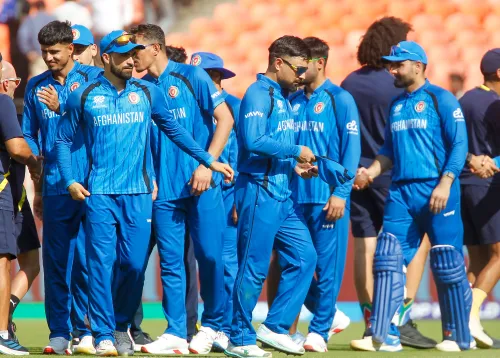
New Delhi, Feb 15 (NationPress) Afghanistan's captain Rashid Khan acknowledged that painful defeats like the recent double Super Over loss to South Africa in the Men’s T20 World Cup linger in the memory. He also reflected on the sorrowful experience from the 2023 ODI World Cup when Glenn Maxwell’s unbeaten 201 propelled Australia to victory in Mumbai.
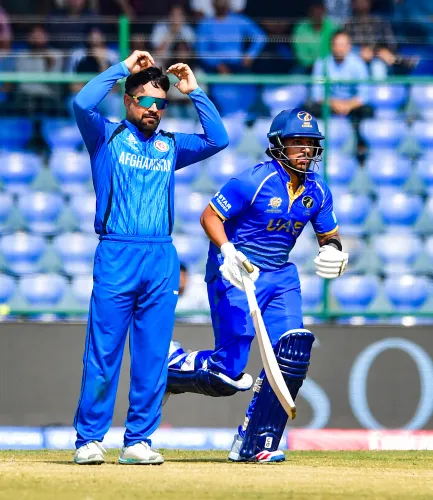
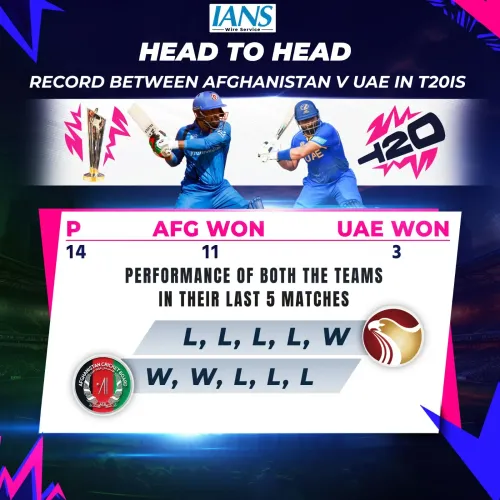
“Honestly, it's quite challenging. Losing a match that we had in our grasp on several occasions is truly disheartening. It sticks with you, especially that particular game,” Rashid shared with reporters before Afghanistan's Group D match against UAE at the Arun Jaitley Stadium on Monday morning.
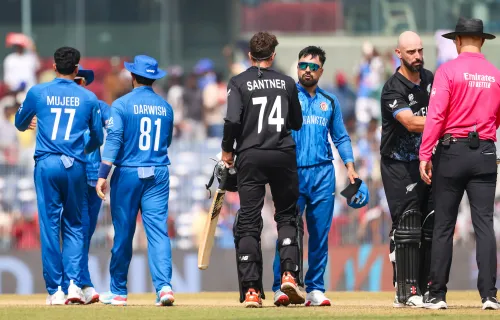
The defeats against South Africa and New Zealand have put Afghanistan on the edge of early elimination from the tournament, following their journey to the semi-finals in 2024. Nevertheless, Rashid still harbors a faint hope for Afghanistan’s advancement to the Super Eights.
“It’s quite disheartening. We have put in significant effort over the last year and a half. The mindset we adopted and the efforts made are crucial. This will aid us not only in the upcoming matches but also in our future endeavors,” he asserted.
“Many positive aspects can be drawn from those two games, but the future remains uncertain. Recently, Zimbabwe defeated Australia, so we remain hopeful for a chance, but we must fully commit in our last two matches,” he added.
Rashid went on to express that the lack of regular encounters against top teams like South Africa and New Zealand has left them inadequately prepared for such high-stakes matches. “I believe not much has gone awry. We played commendable cricket but were slightly unfortunate. The last match showed we were close, reaching the second super over, indicating our effort,” he remarked.
“However, as a team, if we don't regularly compete against high-caliber opponents, this is the outcome. More frequent T20Is against South Africa and New Zealand would have provided insights into our strengths and weaknesses. Playing them only once a year in a World Cup is not conducive to learning from mistakes,” he continued.
“Playing two matches in four days against these teams could result in early elimination from the World Cup, which unfortunately happened to us. We lost both matches in that span. This kind of pressure is unique. You need to be both mentally and physically prepared. A minor error can lead to elimination. The key takeaway is that we need more experiences,” he emphasized.
“Facing them regularly would enhance our understanding. If we don't, they come with new strategies every time, leaving us unprepared. For instance, New Zealand approached the game with an aggressive mindset. Had we played a series against them before, we would have been better prepared for their tactics if they lost early wickets. We didn’t anticipate their aggressive approach, which ultimately led to their success. Continuous play against them will improve our performance, not just in the World Cup but also in bilateral series,” he concluded.
Point of View
It's crucial to recognize the resilience shown by Rashid Khan and his team. Despite facing tough losses, they remain hopeful. Their ability to reflect on these experiences will be key in shaping future performances. We stand by Afghanistan cricket as they navigate these challenges.
NationPress
6 Sept 2026
Frequently Asked Questions
What did Rashid Khan say about the recent losses?
Rashid Khan expressed that narrow defeats like the double Super Over loss to South Africa linger in memory, affecting the team's mindset.
How has the lack of matches against top teams impacted Afghanistan?
Rashid mentioned that infrequent encounters with leading nations like South Africa and New Zealand have left the team underprepared for high-pressure situations.
What is Rashid's hope for the future?
Despite the setbacks, Rashid remains optimistic about Afghanistan's chances of progressing to the Super Eights in the ongoing tournament.
What lessons are learned from these experiences?
Rashid emphasized the importance of gaining experience through regular matches against top teams to improve performance in future competitions.
How did Afghanistan perform in the recent World Cup matches?
Afghanistan faced defeats against South Africa and New Zealand, putting them on the brink of early elimination from the tournament.