AFI defends CWG 2026 qualification standards after filling 32-athlete quota
Synopsis
India's athletics body filled its entire 32-athlete Commonwealth Games 2026 quota — and now the AFI is using that number to fire back at critics who called its qualification standards unreachable. With five or six more athletes reportedly near the cut, the federation argues the science, not the sceptics, was right.
Key Takeaways
The Athletics Federation of India (AFI) has filled India's full quota of 32 athletes for the Commonwealth Games 2026 in Glasgow .
AFI spokesperson Adille Sumariwalla defended the qualification standards at a press conference on 14 June , calling them 'absolutely right'.
At least five or six athletes came very close to meeting the benchmarks, according to Sumariwalla .
The AFI runs 42 domestic events across India, with competitions held in cities including Thiruvananthapuram and Ludhiana .
The federation credited grassroots programmes, the National Inter-District meet structure, and increased competition frequency for the rise in athlete performance.
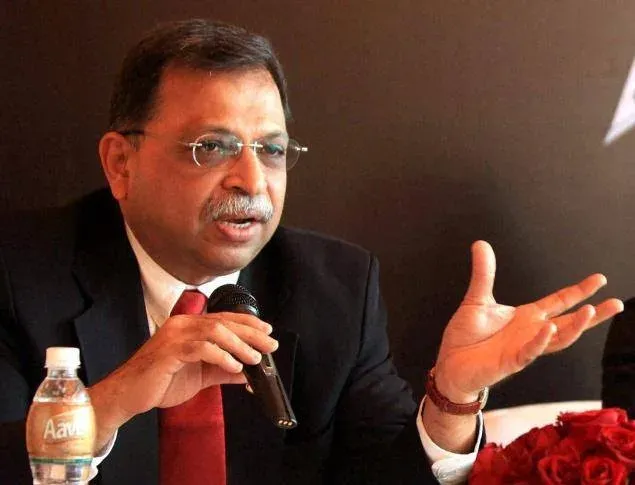
The Athletics Federation of India (AFI) has defended its widely criticised qualification benchmarks for the Commonwealth Games 2026 in Glasgow, asserting that the standards were vindicated after India filled its entire quota of 32 athletes. The federation's position was laid out by AFI spokesperson and World Athletics vice-president Adille Sumariwalla at a press conference on Sunday, 14 June, where India's athletics squad for Glasgow was officially announced.
The Qualification Controversy
When the AFI first announced its selection benchmarks earlier in the season, the standards drew sharp criticism from coaches, athletes, and observers who argued they were set significantly higher than prevailing national marks in several events. The federation, however, held firm rather than revising them downward.
'I know we got criticised a lot when we set these qualifying standards. But there's a lot of science that goes into anything that we do. We don't do things just off the cuff,' Sumariwalla said.
What the Numbers Show
With the full quota of 32 athletes secured, Sumariwalla argued the criticism has been answered by results. He noted that the final cut was competitive, with at least five or six athletes coming very close to meeting the mark — a detail he cited as evidence that the standards were demanding but achievable rather than prohibitive.
'So you can see the whole quota and we could have even taken more people. So the quota is 32, so we also kept the qualifying standards to make sure that people qualify. So you can see that therefore our qualifying standards were not high. Our qualifying standards were right,' he stated.
The Development Pipeline Behind the Numbers
Beyond defending the benchmarks, Sumariwalla credited a broader athlete development architecture for enabling the performances. He pointed to grassroots identification programmes, a national inter-district competition structure, and an expanded domestic calendar as the foundations underpinning recent improvement.
'India is improving over the years, over the last many years. The program that we have, the kids program that we have, the National Inter-District we have, the talent search program that we have and then what we built from that into the elite program,' he said.
Competition Frequency as a Game-Changer
A key structural change the AFI highlighted was the sharp increase in domestic competition opportunities. The federation now runs 42 events across the country, with meets taking place in multiple cities on a near-daily basis — including recent events in Thiruvananthapuram and Ludhiana.
'Our athletes used to lack a lot of competition, and now they have this opportunity to compete. And therefore, our standards were absolutely right and not as high as everybody thought it was and that we got brickbats for it,' Sumariwalla said.
The regional spread of events, he argued, has removed the burden of long-distance travel that once hampered athletes outside metropolitan centres. With India's athletics team for Commonwealth Games 2026 now finalised, attention turns to preparation for Glasgow.
Point of View
Excluding athletes who might have performed at Glasgow. The more telling metric would be how India's selected 32 compare to the field they will face in Glasgow — that is the real test of whether the AFI's science was right or merely lucky. The broader development narrative, however, is harder to dispute: a 42-event domestic calendar and regional competition spread represent genuine structural progress that Indian athletics has needed for decades.
NationPress
14 Sept 2026
Frequently Asked Questions
Why did the AFI face criticism over its CWG 2026 qualification standards?
The AFI was criticised because its qualification benchmarks for the Commonwealth Games 2026 were considered significantly higher than existing national standards in several events. Critics argued the marks were too ambitious and could leave India short of its full athlete quota.
Did India fill its full athletics quota for Commonwealth Games 2026?
Yes. India secured its entire quota of 32 athletes for the Commonwealth Games 2026 in Glasgow. AFI spokesperson Adille Sumariwalla cited this as evidence that the qualification standards were appropriate, not excessive.
Who is Adille Sumariwalla and what did he say?
Adille Sumariwalla is the AFI spokesperson and a vice-president of World Athletics. At the press conference announcing India's CWG 2026 squad on 14 June, he defended the qualification standards, saying the federation uses 'a lot of science' in setting benchmarks and that results on the field have answered the critics.
How many athletes nearly qualified for India's CWG 2026 athletics team?
According to Sumariwalla, at least five or six athletes came very close to meeting the qualification standards, which he argued further demonstrates the benchmarks were realistic and achievable.
What domestic programmes has the AFI credited for improving Indian athletics?
The AFI pointed to a grassroots kids programme, the National Inter-District competition, a talent search initiative, and an expanded domestic calendar of 42 events held across multiple cities. The federation argues increased competition frequency has addressed one of Indian athletics' longstanding weaknesses.