Archery's 2030 CWG Return: Deepika & Tarundeep Eye Historic Home Glory
Synopsis
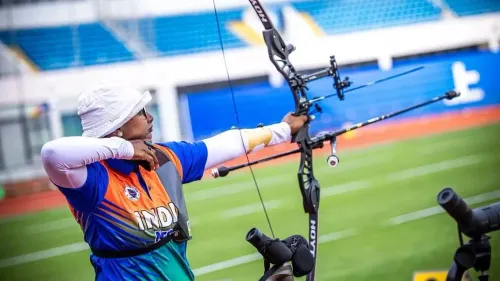
India's archery stars Deepika Kumari and Tarundeep Rai are banking on the 2030 Ahmedabad Commonwealth Games to end a 20-year absence from the multi-sport event. With India's active archer count exploding from 400 to 30,000 since 2010, the home Games could trigger the sport's biggest-ever surge in the country.
Key Takeaways
India will host the 2030 Commonwealth Games in Ahmedabad, Gujarat , with a program expected to be larger than the 2026 Glasgow edition (10 sports, 6 para sports).
Deepika Kumari won India's first women's individual recurve gold at the 2010 Delhi CWG at age 16 , a milestone she credits with transforming archery's popularity in India.
India won 8 medals in archery at the 2010 CWG; the sport has been absent from the Games ever since, spanning four editions over 15 years.
India's active archer population has grown from 400 in 2010 to over 30,000 today , with approximately 100 archers capable of making the national team at any given time, according to Tarundeep Rai .
Tarundeep Rai , a three-time Olympian, is simultaneously targeting a medal at the Los Angeles 2028 Olympics while supporting India's 2030 CWG preparations.
Jayanta Talukdar confirmed that senior archers are actively mentoring young talent, building a coaching pipeline aimed at peak performance on home soil in 2030 .
New Delhi, April 23: India's elite recurve archers Deepika Kumari and Tarundeep Rai are expressing strong optimism about archery's potential return to the 2030 Commonwealth Games, scheduled to be hosted by India in Ahmedabad, Gujarat. The upcoming edition is expected to feature a significantly expanded program compared to the 2026 Glasgow CWG — held from July 23 to August 2 — which covered only 10 sports and six para sports. Traditional Indian medal-earning disciplines including shooting, wrestling, badminton, and archery are widely anticipated to make a comeback on home soil.
A Homecoming Fifteen Years in the Making
Archery has been absent from the Commonwealth Games since India last hosted the event in New Delhi in 2010 — a gap of nearly two decades by the time Ahmedabad takes the stage. At the 2010 Delhi Commonwealth Games, India delivered a dominant performance across traditional disciplines, clinching 30 medals in shooting, 19 in wrestling, 8 in archery, and 4 in badminton across 17 disciplines.
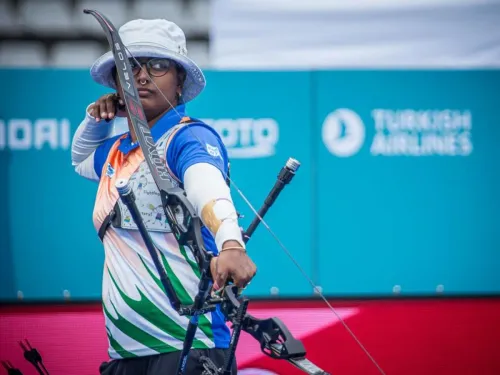
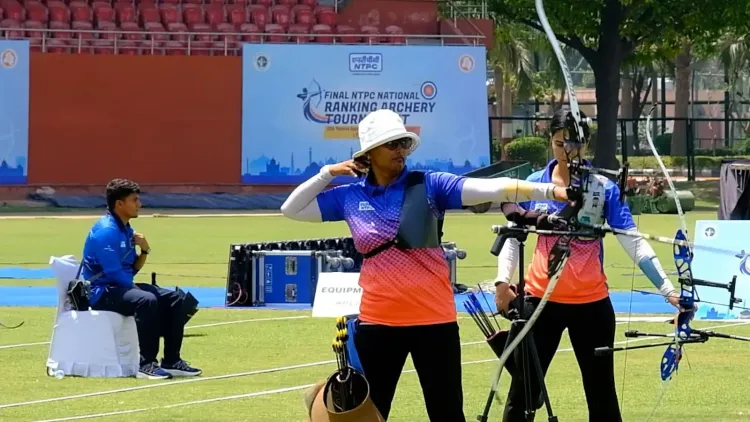
The emotional and strategic significance of the 2030 Games for Indian archers cannot be overstated. Speaking on the sidelines of the NTPC National Ranking Archery Tournament, Deepika Kumari — who famously became India's first women's individual recurve gold medallist at the 2010 CWG at just 16 years of age — reflected on the transformative power of that moment.
"2010 Commonwealth Games was a huge kick in my career as a 16-year-old became a champion in a discipline not so popular. I didn't understand the value of the achievement at that time but in my opinion archery received a huge boost due to that. A lot of Indians got to know about the sport of archery after my accomplishments in the Commonwealth Games," the 31-year-old told SAI Media.
Deepika Confident 2030 Will Be 'Bigger and Better'
Deepika's confidence in the upcoming edition is palpable. She believes India's organisational capabilities have matured significantly since 2010 and that the Ahmedabad Games will set new benchmarks for scale and sporting excellence.
"The way we had organised CWG in 2010, I believe it will be bigger and better in 2030 and archery makes a return then. We archers haven't competed in the multi-nation event since the Delhi edition and hopefully archery makes a comeback," she said.
This statement carries weight given that archery's exclusion from the 2022 Birmingham CWG and the upcoming 2026 Glasgow edition has denied a generation of Indian archers — many of them world-class performers — a key international platform between Olympic cycles.
Tarundeep Rai: From 400 Archers to 30,000 — India's Archery Revolution
Tarundeep Rai, a three-time Olympian who won bronze in the men's recurve team event at CWG 2010 and is currently targeting a medal at the Los Angeles 2028 Olympics, highlighted the staggering grassroots growth Indian archery has witnessed since the Delhi Games.
"At that time we had around 400 archers in the country — now the number has swelled to more than 30,000 active archers. There are 100 archers who can make it to the Indian team on any given day due to their consistency and form, which is a huge difference after 2010 CWG," Tarundeep stated.
He also underscored the broader sporting ecosystem argument — that hosting mega-events like the CWG every five to ten years creates lasting infrastructure, inspires youth, and professionalises grassroots sport in ways that no training grant can replicate.
"India is set to host the CWG in 2030 which is a very happy moment for all Indian sportspersons like me. Due to the staging of CWG in 2030 a lot of new talent, new kids will pick up sports as a career," he added.
Jayanta Talukdar: Sponsorships, Academies, and a Mentorship Pipeline
Olympian and Asian and Commonwealth Games medallist Jayanta Talukdar echoed the sentiment, pointing to the surge in academies, corporate sponsorships, and coaching infrastructure that followed India's 2010 medal haul in archery.
"A lot of new academies and players got added after 2010 CWG as parents saw that we had won a lot of medals in archery. The Archery Association of India and players started getting a lot of sponsors. So, the graph of Indian archery only improved after that," Talukdar said.
He further noted that senior archers like himself are now actively mentoring the next generation — a structured knowledge transfer that could pay dividends when India competes on home soil in 2030, with both recurve and compound disciplines expected to feature.
Why the 2030 CWG Matters Beyond the Medal Tally
The significance of India hosting the 2030 Commonwealth Games in Ahmedabad extends far beyond sport. It represents a geopolitical and soft-power statement — India positioning itself as a global sporting hub alongside its ambitions to host the 2036 Summer Olympics. The broader program, which is expected to surpass the Glasgow 2026 edition's 10-sport format, signals a return to the inclusive, multi-discipline model that benefits nations with diverse sporting strengths.
Notably, the exclusion of archery, shooting, and wrestling from recent CWG editions had drawn sharp criticism from Indian sports administrators and athletes, who argued these omissions disproportionately disadvantaged countries like India. The anticipated reinclusion of these disciplines for 2030 is therefore being seen as both a sporting and diplomatic win for the host nation.
With Deepika Kumari, Tarundeep Rai, and an emerging pool of over 100 national-team-calibre archers, India's archery contingent appears poised to deliver a historic performance on home soil — if the sport's inclusion is formally confirmed by the Commonwealth Games Federation in the months ahead.
Point of View
Tarundeep, and Talukdar is genuine — but it also exposes a structural flaw in global sports governance: the Commonwealth Games Federation's repeated exclusion of archery, shooting, and wrestling has effectively penalised India and nations with similar sporting profiles while favouring Western disciplines. India's decision to host the 2030 CWG is partly a corrective to this bias, and the anticipated reinclusion of these sports is less a gift and more a negotiated outcome of hosting leverage. The real story isn't nostalgia — it's about how hosting mega-events has become India's most effective tool to reshape the rules of international sport in its favour, a strategy that runs parallel to the 2036 Olympic bid.
NationPress
19 Sept 2026
Frequently Asked Questions
Will archery be included in the 2030 Commonwealth Games in India?
Archery is widely anticipated to return for the 2030 Commonwealth Games in Ahmedabad, though formal confirmation from the Commonwealth Games Federation is still awaited. Indian archers like Deepika Kumari and Tarundeep Rai have expressed strong hope for the sport's reinclusion given India's hosting rights.
When and where will the 2030 Commonwealth Games be held?
The 2030 Commonwealth Games will be hosted by India in Ahmedabad, Gujarat. The event is expected to feature a broader program than the 2026 Glasgow edition, which ran from July 23 to August 2 and included only 10 sports and six para sports.
How many medals did India win in archery at the 2010 Commonwealth Games?
India won 8 medals in archery at the 2010 Delhi Commonwealth Games. That edition also saw India claim 30 medals in shooting, 19 in wrestling, and 4 in badminton across 17 disciplines.
How has Indian archery grown since the 2010 Commonwealth Games?
India's active archer count has grown from approximately 400 in 2010 to over 30,000 today, according to Tarundeep Rai. The 2010 CWG is credited with triggering a surge in academies, sponsorships, and grassroots participation across the country.
Why was archery excluded from recent Commonwealth Games editions?
Archery was dropped from the Commonwealth Games program after the 2010 Delhi edition, with the sport absent from the 2014, 2018, 2022, and upcoming 2026 editions. Indian sports officials and athletes have criticised this exclusion as disproportionately disadvantaging nations like India that excel in the discipline.