Why Were Outdoor Matches Suspended at the Aus Open?
Synopsis
As temperatures soar to a scorching 36°C, the Australian Open suspends outdoor matches to ensure player safety. With a strict extreme heat policy in place, the tournament adjusts scheduling and provides essential guidance for fans. Discover how players cope with the heat and the impact on their performance in this gripping recap of the day's events.
Key Takeaways
The Australian Open's extreme heat policy prioritizes player safety.
Players must adapt to challenging weather conditions for peak performance.
Fan safety measures include hydration and cooling techniques.
Scheduling adjustments are made in anticipation of high temperatures.
Florida players often excel in hot conditions due to their training.
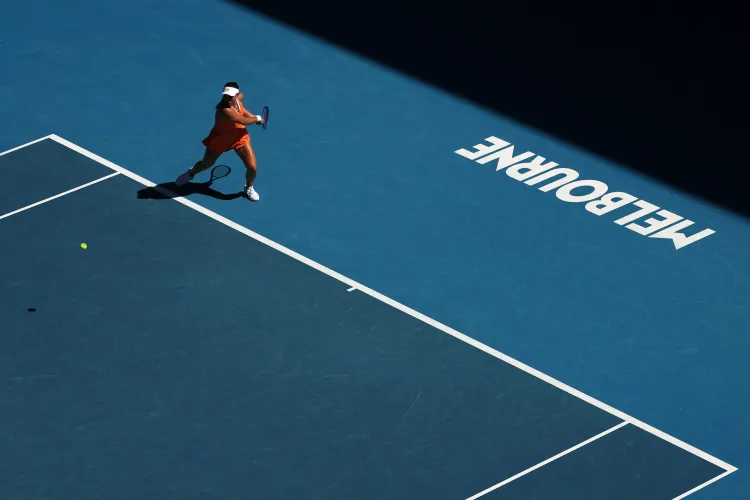
Melbourne, Jan 24 (NationPress) The main showcourts of the Australian Open at Melbourne Park had their roofs closed and outdoor matches were halted on Saturday due to the tournament's extreme heat policy. With the mercury reaching 36°C (96.8°F), officials prioritized the safety of players amid the sweltering conditions during the day's events.
The Australian Open has a rigorous policy regarding extreme heat that evaluates four weather factors: air temperature, radiant heat, wind speed, and humidity. When conditions escalate to a level 5, officials suspend play and close the roofs. To help fans cope with these extremes, the tournament recommends staying hydrated, wearing hats, and utilizing misting fans inside the stadium.
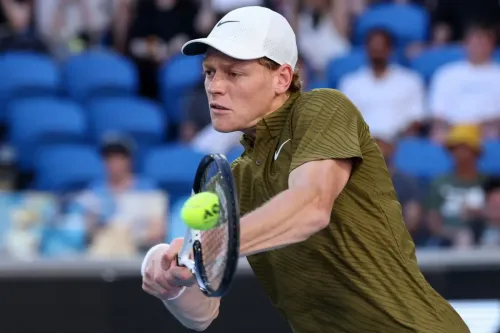
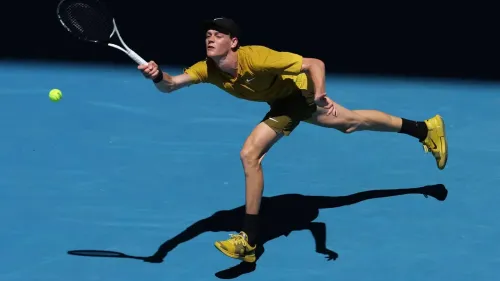
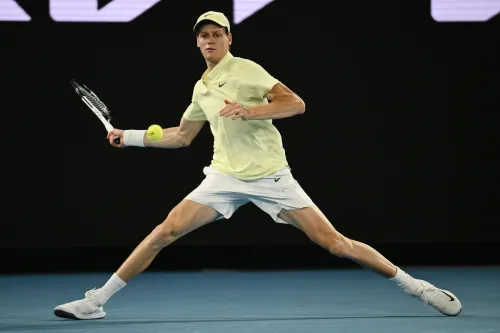
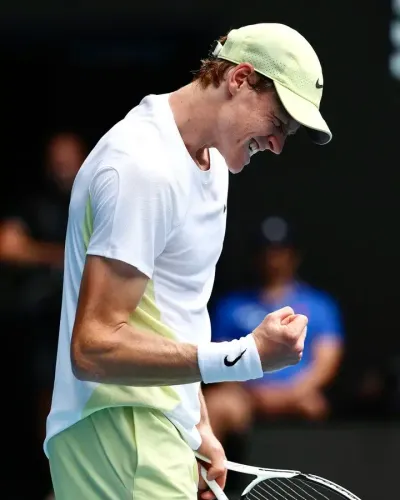
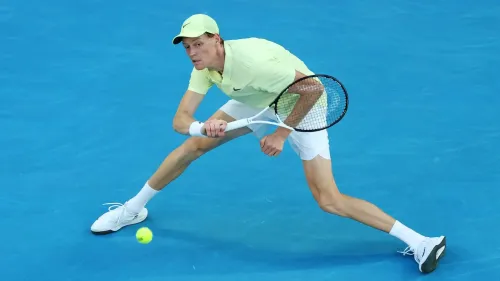
The defending men's champion, Jannik Sinner, appeared to struggle with the heat while competing on Rod Laver Arena. Trailing unseeded American Eliot Spizzirri, Sinner exhibited signs of cramping and mobility challenges. He won the first set 6-4, lost the second 3-6, and was down 3-1 in the deciding (third) set when the heat stress index hit 5.0, the maximum on the scale. This prompted an eight-minute suspension to allow Sinner a chance to cool down before play resumed under the closed roof.
On Margaret Court Arena, the match between Valentin Vacherot and Ben Shelton commenced shortly after the roof closure. The tournament referee subsequently announced that no additional outdoor matches would take place until after 5:30 p.m. local time (06:30 GMT).
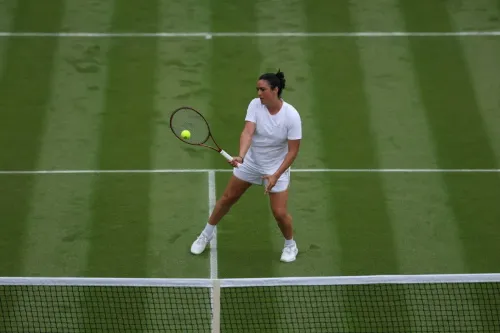
In anticipation of the forecasted extreme heat becoming a regular occurrence during the tournament, organizers opted to schedule matches earlier than usual. By 10:30 am, when Madison Keys, the defending Women's Singles Champion, started her match, temperatures and humidity had already surged significantly. Despite her Florida background preparing her for high temperatures, Keys showed no signs of discomfort, concluding her match 75 minutes later with a victory over former World No. 1 Karolina Pliskova.
Other Floridian players, Jessica Pegula and Amanda Anisimova, also found success in these extreme conditions. Pegula triumphed over Oksana Selekhmeteva with a score of 6-3, 6-2, noting that the high temperature allowed her to conserve energy during her match. Anisimova defeated Peyton Stearns 6-1, 6-4 in just 71 minutes and expressed that her early training in hot conditions equipped her well, stating, “It is wonderful to be out on the court even when it is 90 degrees, and I find it very enjoyable to be challenged under such conditions.”
Point of View
I observe that the Australian Open's decision to suspend outdoor matches due to extreme heat reflects a commendable commitment to player safety. While the tournament continues to adapt to rising temperatures, it underscores the importance of prioritizing health and well-being in sports. The balance between excitement and player welfare is crucial, and this proactive measure aligns with best practices in sports management.
NationPress
22 Sept 2026
Frequently Asked Questions
What is the extreme heat policy at the Australian Open?
The extreme heat policy at the Australian Open assesses air temperature, radiant heat, wind speed, and humidity. When conditions reach a level 5, play is suspended, and roofs are closed to protect player safety.
How do players prepare for extreme heat during matches?
Players often train in hot conditions to acclimate their bodies. Staying hydrated, wearing appropriate gear, and managing energy levels are crucial strategies for success in extreme heat.
What measures are taken to ensure fan safety during extreme heat?
The tournament advises fans to stay hydrated, wear hats, and utilize misting fans inside the stadium to stay cool during extreme heat conditions.
What was the temperature during the recent matches?
The temperature reached a high of 36°C (96.8°F) during Saturday's matches, prompting the suspension of outdoor play.
Which players showed resilience in the heat?
Players like Madison Keys, Jessica Pegula, and Amanda Anisimova demonstrated resilience and adaptability, achieving success despite the extreme temperatures.