Harmanpreet Kaur steps down as India captain after 2025 World Cup glory
Synopsis
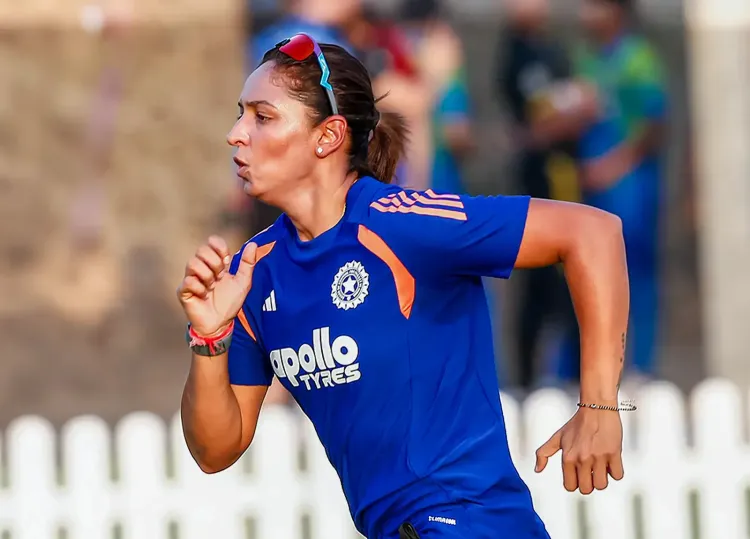
Harmanpreet Kaur's exit from the captaincy closes one of the most decorated chapters in Indian women's cricket — a tenure that finally peaked with the 2025 World Cup title after years of near-misses. At 36, she walks away from the armband holding records no woman cricketer has held before, while the BCCI scrambles to chart a new leadership era.
Key Takeaways
Harmanpreet Kaur has stepped down as India women's cricket captain across all formats, effective 6 October 2026 .
She will continue as a player; the BCCI confirmed she remains part of the Indian team setup.
BCCI president Mithun Manhas and secretary Devajit Saikia both paid tribute, calling the 2025 Women's World Cup the defining moment of her tenure.
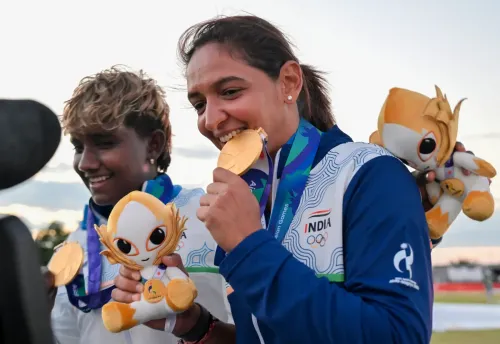
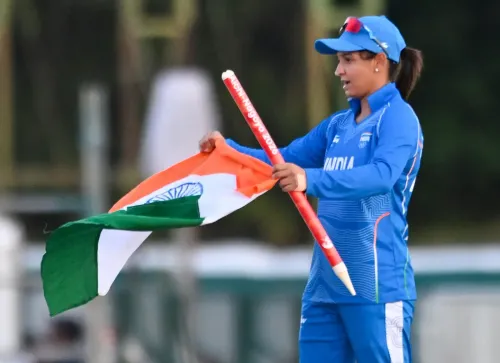
Harmanpreet's captaincy began in 2012 ; she led India to the 2025 ICC Women's Cricket World Cup , two Asian Games golds , and the 2020 T20 World Cup final.
She is the first player to appear in 200 T20Is and the first to captain in 150 T20Is in women's cricket.
India defeated South Africa by 52 runs in the 2025 World Cup final in Navi Mumbai .
Harmanpreet Kaur has stepped down as captain of the Indian women's cricket team across all formats, ending a historic leadership tenure that peaked with India's maiden ICC Women's Cricket World Cup title in 2025. The Board of Control for Cricket in India (BCCI) confirmed on 6 October 2026 that the 36-year-old will continue to represent India as a player, even as a new chapter begins for the side's leadership.
What the BCCI Said
BCCI president Mithun Manhas paid tribute to Harmanpreet's contributions, calling the 2025 World Cup triumph the defining achievement of her captaincy. 'Harmanpreet Kaur's contribution as captain will always hold a special place in the history of Indian Cricket. She took on the responsibility at an important stage in the growth of women's cricket and helped the Indian team build on the strong foundation laid by those who came before her,' Manhas said.
He added: 'The World Cup victory in 2025 will undoubtedly be the defining achievement of her captaincy. It was the culmination of years of progress, hard work and belief.' Manhas expressed gratitude for Harmanpreet's leadership and confirmed he was 'pleased that she will continue to represent India as a player.'
BCCI secretary Devajit Saikia also heaped praise on the outgoing skipper, specifically acknowledging her resilience through setbacks. 'You experienced the disappointment of falling short, but continued to believe in the team and its ability to achieve more. That is what made the World Cup victory in 2025 so special,' Saikia said. He also endorsed the timing of her decision, describing it as made with 'thought and consideration.'
A Leadership Journey Spanning Over a Decade
Harmanpreet's captaincy story began in 2012, when she stepped in for the Women's T20 Asia Cup final after Mithali Raj and Jhulan Goswami were ruled out through injury. She led India to an 18-run win over Pakistan and the inaugural title. She became India's regular T20I captain in 2016, before assuming charge of the ODI and Test sides in 2022 following Mithali's retirement.
Her tenure encompassed India's run to the 2020 Women's T20 World Cup final, a silver medal at the 2022 Commonwealth Games, and the country's first-ever Asian Games gold in women's cricket. She subsequently led India to successfully defend that Asian Games crown in Nagoya, with a 147-run final victory over Sri Lanka.
The 2025 World Cup: The Defining Moment
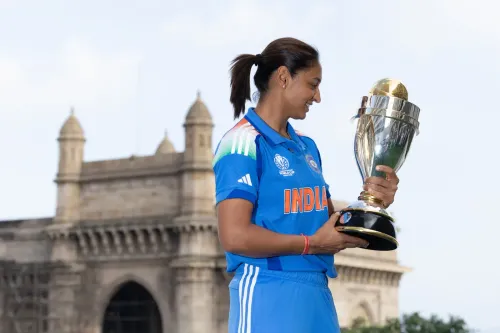
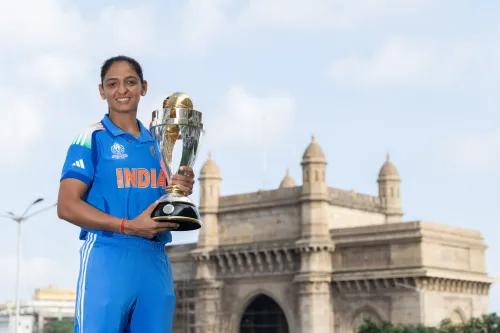
The pinnacle arrived in 2025, when Harmanpreet became the first Indian women's captain to lift the ICC Women's Cricket World Cup. She contributed 89 runs in the semifinal against Australia and shared a crucial 167-run partnership with Jemimah Rodrigues as India chased down 339. In the final at Navi Mumbai, India defeated South Africa by 52 runs.
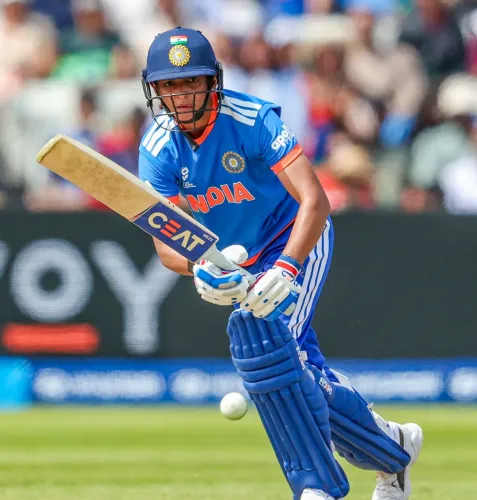
Harmanpreet's captaincy exit also comes after a year of remarkable individual milestones. She became the most-capped international player in women's cricket, the first to feature in 200 T20Is, and the first to captain in 150 T20Is — records that underscore the extraordinary scale of her contribution.
Harmanpreet's Own Words
In her communication to the BCCI, Harmanpreet made clear this was not a farewell to international cricket. 'Leading India has been one of the greatest honours and privileges of my life... After careful consideration, I believe that this is the right time for me to hand over the responsibility of captaincy and allow the team to move forward under new leadership,' she said.
'My commitment to Indian cricket remains as strong as ever. I would like to continue representing the Indian Women's Cricket Team as a player and contribute to the team's success in every way I can,' she added, pledging to support both the new leadership and the younger players.
What Comes Next
With Harmanpreet stepping aside, the BCCI is now expected to name a new captain for the Indian women's side. Her experience as a senior player, according to both Manhas and Saikia, will continue to be central to the team's dressing room culture and on-field dynamics in the transition period ahead.
Point of View
But the timing is instructive — she leaves at the summit, not under pressure, which is a rarity in Indian cricket's frequently turbulent captaincy transitions. The BCCI's warm tributes stand in contrast to past episodes where outgoing women's skippers received far less institutional acknowledgment. What now matters is whether the board moves with the same intent in identifying and backing a successor, or whether the women's side enters another extended period of captaincy uncertainty that disrupts momentum built over a decade. The 2025 World Cup win has raised expectations to a level Indian women's cricket has never had to manage before.
NationPress
6 Oct 2026
Frequently Asked Questions
Why did Harmanpreet Kaur step down as India captain?
Harmanpreet Kaur stepped down after careful consideration, stating she believed it was the right time to hand over the captaincy and allow the team to move forward under new leadership. She was clear that her decision was not a retirement from cricket and that she intends to continue as a player.
What were the biggest achievements of Harmanpreet Kaur's captaincy?
Harmanpreet's most significant achievement was leading India to the 2025 ICC Women's Cricket World Cup title — the first for Indian women — defeating South Africa by 52 runs in the final at Navi Mumbai. She also guided India to two Asian Games gold medals, a 2022 Commonwealth Games silver, and the 2020 T20 World Cup final.
Will Harmanpreet Kaur continue to play for India?
Yes, the BCCI has confirmed that Harmanpreet will continue to represent India as a player. Both BCCI president Mithun Manhas and secretary Devajit Saikia expressed that her experience and presence in the dressing room remain valuable to the side.
When did Harmanpreet Kaur first become India's captain?
Harmanpreet first captained India in the Women's T20 Asia Cup final in 2012, stepping in for the injured Mithali Raj and Jhulan Goswami. She led India to an 18-run win over Pakistan and the inaugural title, before becoming the regular T20I captain in 2016.
What records does Harmanpreet Kaur hold in women's cricket?
Harmanpreet Kaur is the most-capped international player in women's cricket, the first to feature in 200 T20Is, and the first to captain in 150 T20Is. These milestones make her the longest-serving and most experienced captain in the history of the women's game.