Why Did Abhinav Bindra Feel Uneasy About Messi's GOAT India Tour?
Synopsis
Abhinav Bindra's reflections on Messi's GOAT India Tour reveal his concerns about the chaotic organization and the financial choices made in sports. He emphasizes the need for grassroots sports development over fleeting celebrity moments. His poignant insights urge a shift in focus towards nurturing young talent in India.
Key Takeaways
Bindra expresses unease over the organization of Messi's tour.
Investment in grassroots sports is crucial for long-term growth.
Messi's visit highlighted the gap between spectacle and substance in Indian sports.
Public funds should support youth development rather than fleeting celebrity moments.
Fostering a culture of sports requires commitment and reflection .
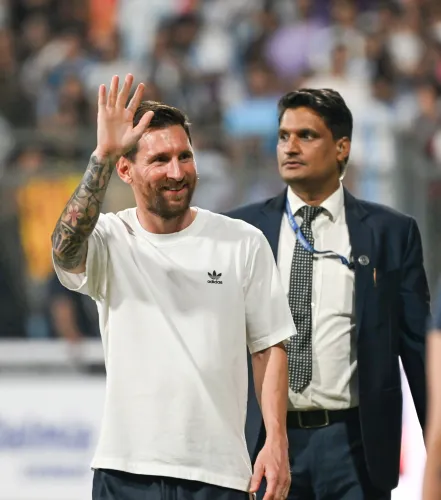
New Delhi, Dec 15 (NationPress) Olympic gold medalist shooter Abhinav Bindra expressed feelings of unease regarding the organization of Lionel Messi's GOAT India Tour. Messi was slated to arrive in the national capital this morning; however, his charter flight was delayed due to fog. He went directly to the Leela Palace Hotel, where he is scheduled to hold a meet-and-greet session for about an hour with a select group.
Bindra shared his quiet sadness on social media, criticizing the millions spent on fleeting moments with the football star, arguing that these funds should instead support grassroots initiatives and enhance sports in India.
"Lionel Messi is one of those exceptional athletes whose journey goes beyond the realm of sport. His transition from a young boy facing physical challenges to a footballer who redefined excellence has inspired millions globally. As an athlete, I have deep respect for what he symbolizes: perseverance, humility, and an unwavering pursuit of greatness. Nonetheless, parts of his recent visit to India felt chaotic and left me quietly uneasy," Bindra wrote on X.
"This situation prompted me to reflect not in judgment but with genuine concern about our true objectives. I grasp the economics of sport, the commercial realities, and the allure of global icons. I do not blame Messi; he has rightfully earned every opportunity that comes his way, and admiration for greatness is natural and beautiful. However, this admiration should also encourage introspection.
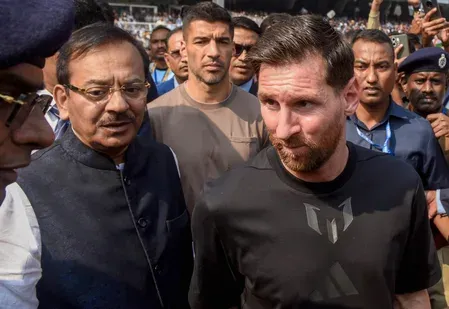
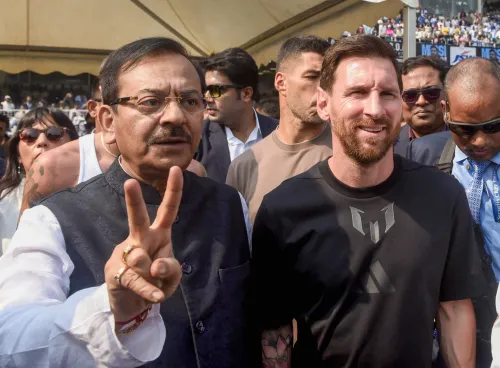
Messi's GOAT Tour faced challenges right from the start, as organizers struggled to manage the crowd at Salt Lake Stadium. When the football legend, along with Luis Suarez and Rodrigo de Paul, visited the city, thousands of fans gathered to see him, but poor venue management turned their enthusiasm into frustration.
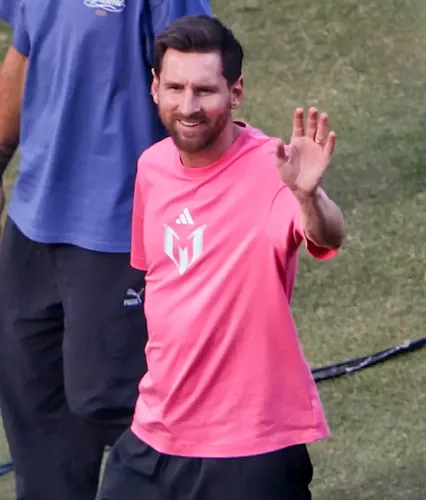
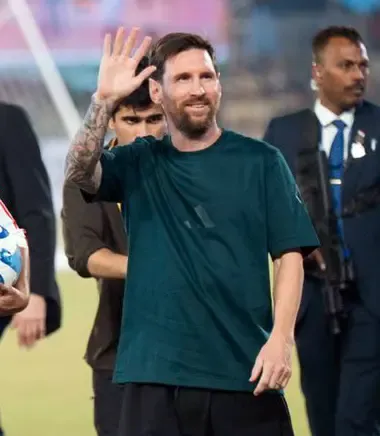
Upon arriving in Telangana, Messi participated in various photo opportunities, including kicking a ball with children and interacting with officials. He made a brief appearance on the stadium's big screen while inside a VIP box during a match at Uppal Stadium, waving to fans.
"As a society, are we fostering a culture of sports, or merely celebrating individuals from a distance? Millions were spent on fleeting interactions with a legend. Yes, it is the people's money, rightfully earned and theirs to spend as they wish.
Bindra's remarks reflect the substantial resources, attention, and public enthusiasm surrounding high-profile sporting events and celebrity visits, which often momentarily capture national interest. He pondered the gap between spectacle and substance in Indian sports, while acknowledging the ability of global icons like Messi to inspire countless individuals.
"Yet, I can't help but feel a quiet sadness, considering what could have been if even a fraction of that energy and investment had been directed to the foundations of sport in our country. We need playgrounds for children to play freely, coaches to guide young talent, and grassroots programs to provide opportunities for those who might otherwise go unnoticed. Spaces where sports are not a grand spectacle but a daily practice, a teacher, and a source of dignity. Great sporting nations aren’t built on moments; they are built on systems, patience, and belief in the ordinary child with extraordinary dreams. Icons like Messi inspire us profoundly, and that inspiration matters greatly. However, it must be matched with intent.
"With a long-term commitment. With choices that reflect not only what excites us today but what will strengthen us tomorrow. If we genuinely wish to honor legends like Messi, the most meaningful way to do so is not through grand gestures but by ensuring that somewhere in India, a young child has a field to play on, a coach to believe in them, and a chance to dream. This is how sporting cultures are established, and this is how legacies persist.
In response to Bindra's comments, India's renowned wrestler Vinesh Phogat, who recently returned from retirement, expressed, "I hope our country eventually awakens for the sake of sports, not just for a day, but for every single day," on X.
Point of View
It is essential to prioritize sustainable growth in grassroots initiatives to build a robust sporting culture. As the nation celebrates achievements, it must also reflect on the foundations that support aspiring athletes.
NationPress
7 Oct 2026
Frequently Asked Questions
What were Abhinav Bindra's concerns regarding Messi's tour?
Bindra expressed unease over the chaotic organization and the significant funds spent on fleeting interactions with Messi, advocating for investment in grassroots sports instead.
How did Messi's GOAT Tour face challenges?
The tour faced issues with crowd management at Salt Lake Stadium, leading to frustration among fans who were eager to see Messi.
What does Bindra suggest for the future of sports in India?
Bindra suggests focusing on building systems that support young athletes, such as creating playgrounds and developing grassroots programs.