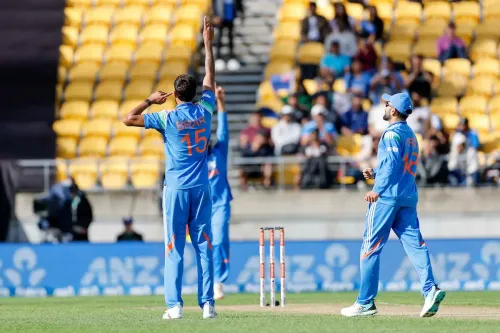
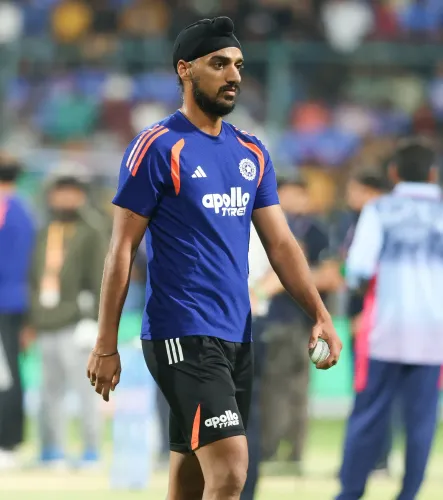
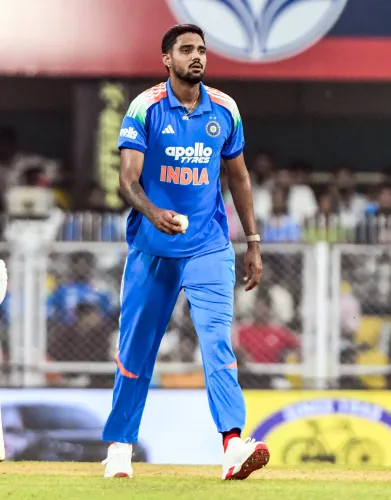
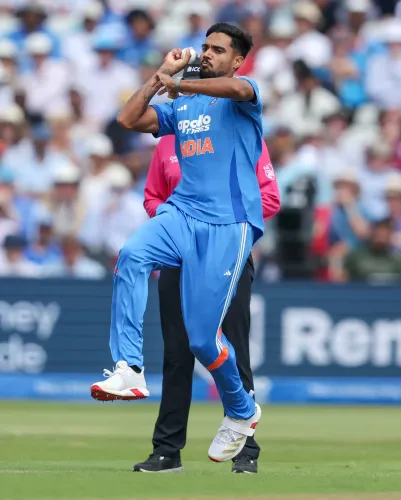
Gurnoor Brar's 4-30 in Wellington: 'Lord's, Guwahati were demotivating'

Synopsis
Gurnoor Brar went from conceding 97 and 85 runs in two ODIs to claiming a career-best 4-30 in Wellington — and the turnaround was built on a single piece of advice from Umesh Yadav: bowl one relentless length, then vary just enough to make batters doubt themselves. India are 2-0 up, and a fast bowler who looked like a liability has become a match-winner.
Key Takeaways
Gurnoor Brar took a career-best 4 for 30 in the second ODI against New Zealand at Hnry Stadium, Wellington on 7 November .
India won by four runs via the DLS method to take a 2-0 lead in the five-match ODI series.
Brar conceded 97 runs at Lord's and 85 runs in Guwahati in earlier ODIs, admitting those outings were 'demotivating'.
All four wickets in Wellington came from back-of-length deliveries or bouncers; New Zealand were dismissed for 134 in 41 overs .
Brar credited Umesh Yadav 's advice on hitting consistent lengths during the Ranji Trophy in New Chandigarh as a turning point.
Brar also revealed deliberate verbal pressure on Daryl Mitchell before Mitchell's dismissal to Axar Patel .
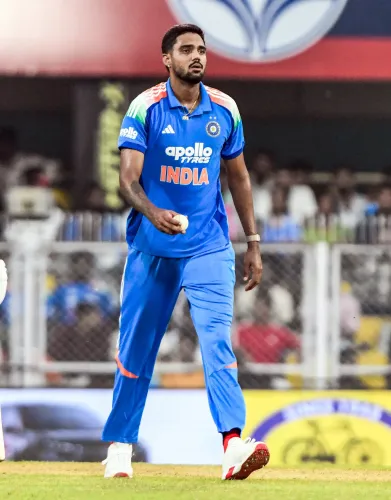
India fast bowler Gurnoor Brar has opened up about the psychological toll of conceding 97 runs at Lord's and 85 runs in Guwahati in earlier ODIs, saying those outings left him disheartened — but that analysing those setbacks ultimately helped him bounce back with a career-best performance in Wellington. Brar's redemption arc reached its peak on Saturday, 7 November, when he claimed 4 for 30 in the rain-affected second ODI against New Zealand at Hnry Stadium, earning the Player of the Match award as India won by four runs via the DLS method to go 2-0 up in the five-match series.
From Setback to Career-Best
'As far as Lord's and Guwahati games are concerned, obviously that means it's wrong for any bowler to concede that many runs. But if you learn from there and come back, so in my mind, obviously it was a little demotivating. But more than that, thinking about how I can do better helped me a lot,' Brar said at the post-match press conference.
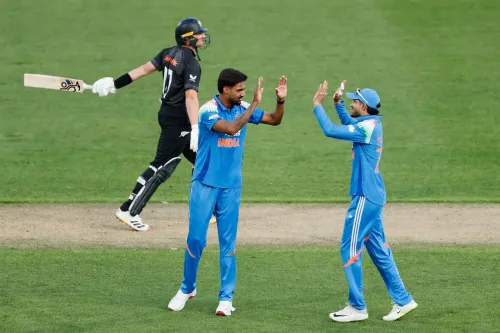
The turnaround has been rapid and emphatic. After picking up 3 for 44 in the series opener in Auckland, Brar was the standout Indian bowler on a pitch that rewarded pace and aggression. All four wickets on Saturday were taken off back-of-length deliveries or bouncers, helping India bundle out New Zealand for a paltry 134 in 41 overs after the hosts were inserted.
The Umesh Yadav Influence
Brar credited senior pacer Umesh Yadav, his Punjab teammate, for a key lesson absorbed during the Ranji Trophy in New Chandigarh. 'Umesh paaji has bowled so much in the red ball for India and has been brilliant. In the first match too, he took out a five-wicket haul for Punjab. I was watching that, and I was also talking to him — about how he was hitting lengths,' Brar said.
The advice, as Brar recounted it, was deceptively simple: bowl relentlessly in one area, and any variation in length becomes far more threatening. 'He just told me that the more you put the ball in an area, and after that, if you do a little experiment with length or something, it will look more effective unless the wicket is not doing anything. So it is important for us to stick more there — that was my plan and the same thing happened there,' he added.
Wellington's Fast-Bowling Funda
Brar described the fast-bowling group's collective mindset in Wellington as refreshingly uncomplicated. 'My simple plan was to hit the lengths and all of us fast bowlers had the same simple funda — that whoever has the skill, he should back it and that is what is giving us the results,' he said.
He was equally candid about resisting the temptation to over-rely on his bouncer. 'I know my bouncer is effective. But it will be a little wrong to overuse it. So hitting at the right moment when it matters is key — so that happened here,' Brar explained. The team management's message reinforced that instinct: 'The feedback was the same — hit my natural length and line. I have to hit that only. More full deliveries or more short balls — I don't have to pre-plan about anything.'
Mind Games and Bowling Unit Pressure
In a revealing aside, Brar disclosed that he had deliberately tried to unsettle New Zealand batter Daryl Mitchell with some verbal exchanges before Mitchell's eventual dismissal — off the bowling of Axar Patel. 'I thought if I could say something to him and make him do something different. So that happened — in that over, I spoke to him a little after he left the ball, and then I also made some gestures ahead, and he got out in the next over,' Brar said, adding that collective bowling unit pressure was the real driver of the result.
Brar also reflected on the contrast with the preceding West Indies series, which he described as batter-dominated on flat surfaces. 'It is a very good feeling that we also get such tracks to bowl on,' he said. 'If there are such wickets on offer, then according to me, you have to pay more attention to your bowling because if you give more runs on this wicket, then it is more difficult for the batters to chase.'
With India 2-0 ahead in the five-match series, Brar's emergence as a reliable pace option in helpful conditions adds a significant dimension to the team's attack ahead of the remaining three ODIs.
Point of View
And Brar's Wellington spell — all four wickets off short-pitched aggression — hints at a template. The real question is whether he can replicate it on flatter tracks, where the Lord's and Guwahati ghosts still lurk. A 2-0 series lead is a confidence cushion, but the remaining three ODIs will test whether Brar's Wellington form is a new baseline or a conditions-specific outlier.
NationPress
8 Nov 2026
Frequently Asked Questions
What were Gurnoor Brar's bowling figures in the Wellington ODI?
Gurnoor Brar claimed career-best figures of 4 for 30 in the second ODI against New Zealand at Hnry Stadium, Wellington on 7 November. He was named Player of the Match as India won by four runs via the DLS method.
Why did Gurnoor Brar say Lord's and Guwahati were demotivating?
Brar conceded 97 runs at Lord's and 85 runs in Guwahati in earlier ODIs, performances he described as 'demotivating' for any bowler. He said that analysing what went wrong and focusing on improvement helped him come back stronger.
What role did Umesh Yadav play in Brar's turnaround?
Brar credited Umesh Yadav, his Punjab teammate, with a key piece of advice during the Ranji Trophy in New Chandigarh: bowl consistently in one area, and any variation in length becomes far more threatening. Brar applied that principle directly in Wellington.
What is India's current standing in the New Zealand ODI series?
India lead the five-match ODI series 2-0 after winning the second ODI in Wellington by four runs via DLS. The first ODI in Auckland also went India's way, with Brar picking up 3 for 44 in that match.
How did Gurnoor Brar approach the Wellington pitch differently from earlier outings?
Brar focused on hitting consistent back-of-length deliveries rather than pre-planning full or short balls, backing his natural length as directed by the team management. He also exercised restraint with his bouncer, using it selectively rather than as a default option.