Giriraj Singh backs Nagaland weavers, urges wider market access
Synopsis
Union Textiles Minister Giriraj Singh on 8 November 2026 praised an initiative to encourage Nagaland's weavers and open wider markets for their products, calling such events vital for local talent and industry growth.
Key Takeaways
Union Textiles Minister Giriraj Singh publicly endorsed an initiative supporting Nagaland weavers and artisans on 8 November 2026 .
The minister called for broader market access for Nagaland's handloom and craft products, describing such events as 'commendable.' The North Eastern Region Textile Promotion Scheme (NERTPS) , launched in 2014 , underpins Central government efforts to build textile infrastructure and marketing links across the Northeast.
Nagaland's tribal handloom tradition spans multiple communities, each with distinct patterns, but artisans have historically lacked organised retail and export access.
GI tagging of Naga textiles remains a key forthcoming step that could significantly raise product value and authenticity protection.
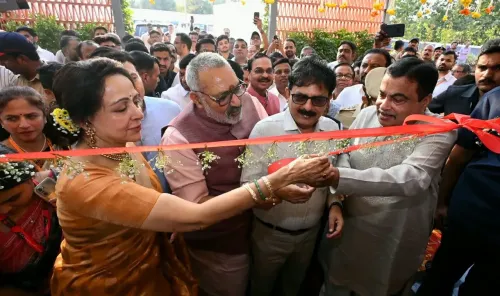
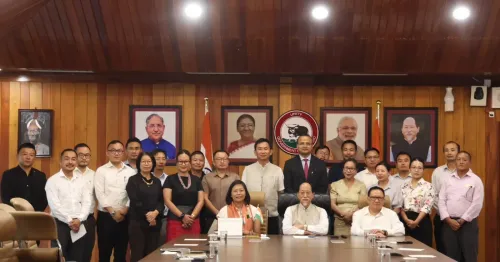
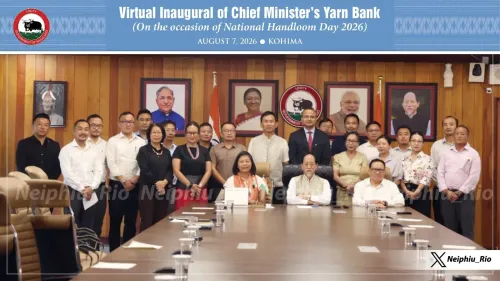
India's tribal handlooms carry centuries of identity in every thread — and Union Textiles Minister Giriraj Singh wants to make sure the world notices. On Sunday, 8 November 2026, the minister took to X to applaud an initiative aimed at encouraging Nagaland's weavers and artisans and opening broader market avenues for their products.
Posting in Hindi, the minister said: 'This is a commendable initiative to encourage the weavers and artisans of Nagaland and to make wider markets available for their products. Such events play an important role in giving new recognition to local talent and in advancing the industry.'
Nagaland's weaving tradition — a living heritage under economic pressure
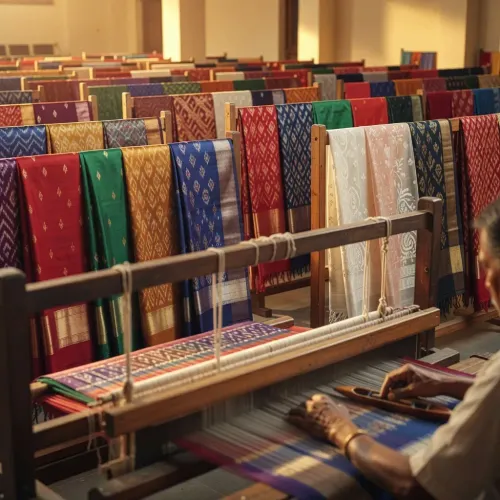
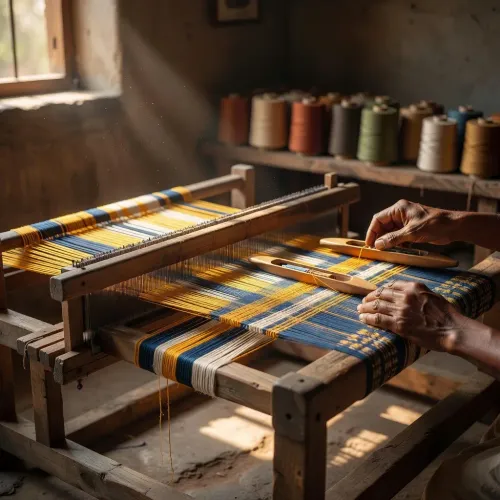
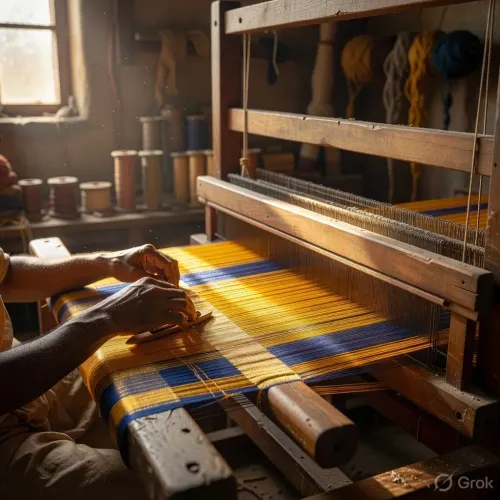
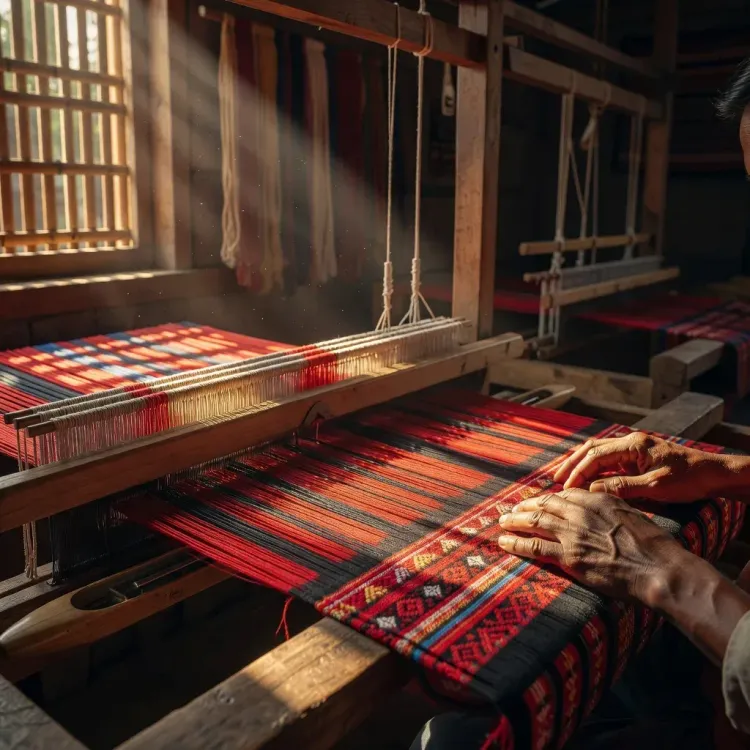
Nagaland is home to one of India's most distinctive handloom traditions, with each tribal community producing patterns and textiles that are specific to its identity. Yet despite the craft's cultural depth, Nagaland's weavers have historically been confined to local haats and village markets, with limited access to the organised retail and export pipelines that could meaningfully raise incomes. The challenge is not unique to Nagaland. Across the Northeast, handloom clusters have struggled with fragmented supply chains, lack of branding, and thin buyer networks. The Central government's North Eastern Region Textile Promotion Scheme (NERTPS), launched in 2014, was specifically designed to address this gap — building textile infrastructure and creating marketing linkages for artisans across the eight northeastern states.Why marketing events matter more than subsidies alone
Funding and subsidies help, but market access is the multiplier. Buyer-seller meets, craft fairs, and organised exhibitions do something that passive support cannot: they put Nagaland's shawls, wraps, and tribal weaves in front of buyers from metros, e-commerce platforms, and export houses. Each such event is, in effect, a live pitch for an entire community's livelihood. The minister's endorsement signals that the Centre views these ground-level promotional events as a critical delivery mechanism — not just optics. That framing matters, because consistent ministerial attention tends to translate into administrative follow-through: more funds, more buyer delegations, and potentially accelerated Geographical Indication (GI) tagging for Nagaland's distinctive textile products, a step that would sharply raise their market value and protect their authenticity.Northeast textiles in India's broader handloom push
Minister Singh has been vocal about positioning India's handloom sector — which employs roughly 35 lakh weavers — as a global export proposition, not merely a welfare target. The Northeast, with its concentration of indigenous weaving knowledge, sits at the centre of that ambition. Events that connect Nagaland artisans to national and international buyers are small but concrete steps toward that larger pivot. The next metrics to watch: whether this appreciation is followed by concrete buyer-seller meets, GI tagging updates for Naga textiles, or fresh NERTPS allocations for Nagaland in the current financial year.Point of View
The Centre is also signalling continued investment in the region's soft economic integration with mainland markets. The emphasis on 'market linkages' over direct subsidy language reflects a maturing policy vocabulary: artisan income is increasingly tied to commercial ecosystems, not just government transfers. Watch for GI tagging announcements and NERTPS fund allocations as the real scorecard of follow-through.
NationPress
8 Nov 2026
Frequently Asked Questions
What did Giriraj Singh say about Nagaland weavers?
On 8 November 2026 , Union Textiles Minister Giriraj Singh praised an initiative to encourage Nagaland's weavers and artisans, saying such events give local talent new recognition and play an important role in advancing the industry.
What is the North Eastern Region Textile Promotion Scheme?
The North Eastern Region Textile Promotion Scheme (NERTPS) , launched in 2014 , is a Central government programme designed to develop textile infrastructure and create marketing linkages for artisans across India's northeastern states.
Why do Nagaland weavers need government support for market access?
Nagaland's weavers have traditionally sold their handloom products in local haats with limited reach. Fragmented supply chains, lack of branding, and thin buyer networks have kept their incomes low despite the high cultural and craft value of their textiles.
What is GI tagging and how does it help Nagaland textiles?
Geographical Indication (GI) tagging is a certification that links a product to its region of origin, protecting its authenticity. For Nagaland textiles, GI tagging would prevent imitation products, raise market value, and open premium retail and export channels.
How many weavers does India's handloom sector employ?
India's handloom sector employs roughly 35 lakh weavers, making it one of the country's largest cottage industry employers. The Northeast, including Nagaland, holds a significant share of this workforce with its rich indigenous weaving traditions.