Nagaland CM launches Yarn Bank Scheme to empower 10,000 weavers
Synopsis
On National Handloom Day, Nagaland CM Neiphiu Rio launched the CM's Yarn Bank Scheme — a centralised facility in Dimapur offering cotton, silk, and bamboo yarn at mill-gate prices with a 15% government subsidy. The move directly targets a chronic supply-chain gap that has long forced weavers to overpay for raw materials, and could benefit up to 10,000 artisans annually.
Key Takeaways
Nagaland CM Neiphiu Rio virtually inaugurated the Chief Minister's Yarn Bank Scheme on 7 August 2025 , on the occasion of the 12th National Handloom Day .
The Yarn Bank is located at the District Industries Centre, State Industrial Park, Dimapur , and will supply natural yarns at mill-gate prices .
The Nagaland government will provide a 15 per cent subsidy on yarn, with eligible weavers accessing supplies via a Yarn Pass Book .
The scheme is projected to benefit 5,000 to 10,000 weavers across all districts every year.
The initiative aims to eliminate high transportation costs and inflated raw material prices that have long constrained weaver incomes and productivity.
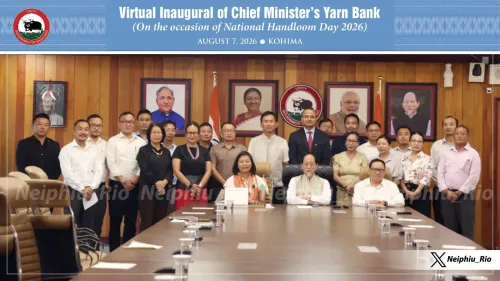
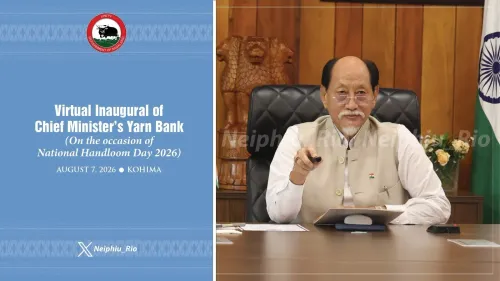
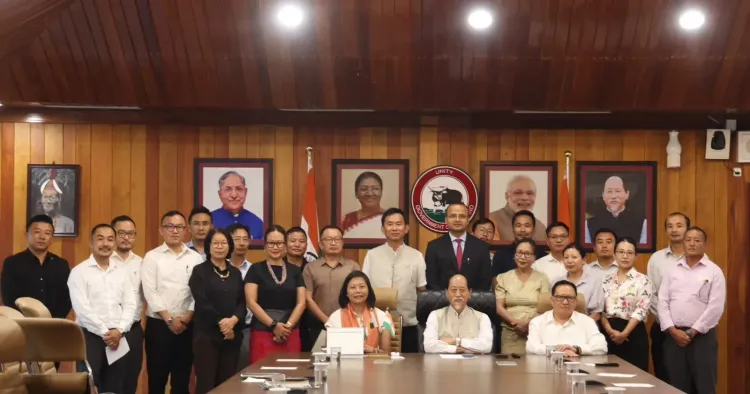
Nagaland Chief Minister Neiphiu Rio on 7 August 2025 virtually inaugurated the Chief Minister's Yarn Bank Scheme in Dimapur, on the occasion of the 12th National Handloom Day, calling women weavers the backbone of the state's handloom sector and pledging government support to preserve Nagaland's traditional textile heritage.
What the Yarn Bank Scheme Offers
The scheme establishes a centralised yarn facility at the District Industries Centre, State Industrial Park in Dimapur, Nagaland's primary commercial hub. Natural yarns — including cotton, eri silk, muga silk, bamboo fibre, and other natural fibre blends — will be made available at mill-gate prices.
The Nagaland government will additionally provide a 15 per cent subsidy on these materials, making quality raw inputs more affordable for eligible artisans. Weavers holding a Yarn Pass Book will be able to procure yarn directly through a transparent distribution system.
Who It Aims to Benefit
The scheme is expected to benefit between 5,000 and 10,000 weavers every year across all districts of Nagaland. Chief Minister Rio called upon eligible weavers, government departments, cooperative societies, self-help groups, village institutions, and community leaders to work together to ensure the scheme's benefits reach every deserving artisan.
The Challenge It Addresses
Rio acknowledged a longstanding problem: weavers have been forced to travel long distances to procure raw materials, bearing high transportation costs and paying inflated prices. This has affected productivity, reduced incomes, and constrained the sector's growth. The Yarn Bank is designed to eliminate these supply-chain bottlenecks by providing a reliable, centralised source of quality yarn.
Cultural and Economic Significance
Speaking on the occasion, Rio said National Handloom Day is 'not merely a celebration of a traditional craft but a tribute to a living heritage that has shaped the identity, culture and spirit of the Naga people for generations.' He noted that every shawl, wrap, and woven motif carries the stories, traditions, and values of the various Naga tribes.
The Chief Minister framed the initiative as part of the government's broader vision — one that links cultural preservation with sustainable economic opportunity, rural employment, and women's empowerment. He expressed confidence that the Yarn Bank would become a lasting support structure for Nagaland's handloom community.
Point of View
And whether the 15 per cent subsidy is sustained beyond the initial rollout. Nagaland's handloom sector is also a women's livelihood story; if the scheme scales, it could meaningfully shift household income dynamics in rural districts where weaving is the primary occupation.
NationPress
22 Sept 2026
Frequently Asked Questions
What is the Chief Minister's Yarn Bank Scheme in Nagaland?
It is a centralised government facility launched in Dimapur that supplies natural yarns — including cotton, eri silk, muga silk, and bamboo fibre — to eligible weavers at mill-gate prices with a 15 per cent state subsidy. The scheme was inaugurated by Chief Minister Neiphiu Rio on 7 August 2025 on National Handloom Day.
How many weavers will benefit from the Yarn Bank Scheme?
The scheme is expected to benefit between 5,000 and 10,000 weavers across all districts of Nagaland every year. Eligible weavers must hold a Yarn Pass Book to access yarn directly from the facility.
Why was the Yarn Bank Scheme introduced?
Weavers in Nagaland have long struggled with high transportation costs and inflated raw material prices due to the lack of a local supply source. The Yarn Bank addresses this by providing a reliable, subsidised, and centralised source of quality natural yarn close to the weaving community.
Where is the Yarn Bank located?
The Yarn Bank is established at the District Industries Centre, State Industrial Park, in Dimapur — Nagaland's main commercial hub — making it accessible to weavers from across the state.
What types of yarn will be available under the scheme?
The Yarn Bank will stock cotton, eri silk, muga silk, bamboo fibre, and other natural fibre blends, all offered at mill-gate prices with an additional 15 per cent government subsidy for eligible weavers.