CM Rio launches Yarn Bank Scheme on National Handloom Day
Synopsis
Nagaland Chief Minister Neiphiu Rio inaugurated the Chief Minister's Yarn Bank Scheme on National Handloom Day, 7 August 2026, pledging raw-material support to the state's tribal handloom weavers. The scheme targets a chronic yarn-supply gap that has long threatened Nagaland's centuries-old weaving tradition.
Key Takeaways
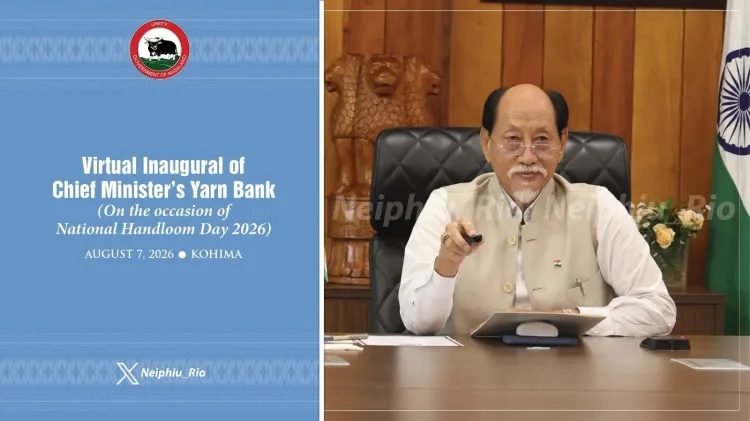
Nagaland Chief Minister Neiphiu Rio inaugurated the Chief Minister's Yarn Bank Scheme on 7 August 2026 .
The scheme will supply yarn directly to handloom weavers, addressing a longstanding raw-material access problem in the state.
Zeliang and lawmaker Hekani Jakhalu were present at the inauguration, indicating cross-party support.
National Handloom Day has been observed on 7 August every year since 2015 , instituted to honour the Swadeshi movement and India's weaving communities.
Nagaland's handloom tradition is integral to tribal identity, with clan-specific patterns embedded in ceremonial textiles that powerlooms cannot replicate.
Implementation details, budget allocation, and district-level distribution outcomes remain to be seen as the scheme rolls out.
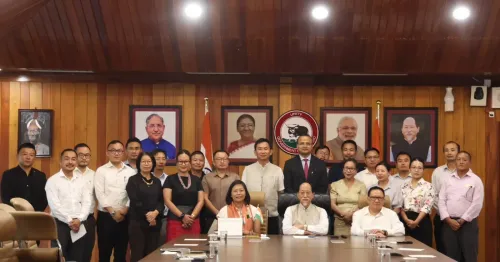
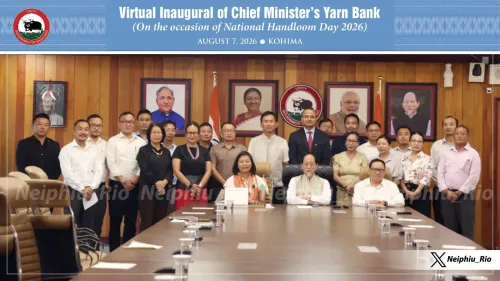
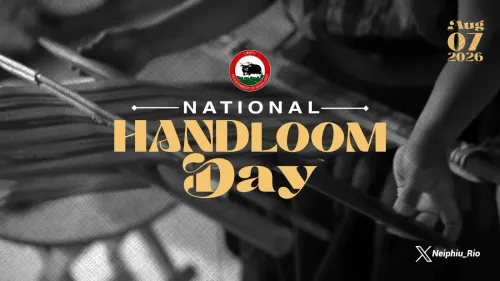
On National Handloom Day, 7 August 2026, Nagaland Chief Minister Neiphiu Rio inaugurated the Chief Minister's Yarn Bank Scheme — a state initiative designed to put raw material directly in the hands of the weavers who keep Nagaland's textile traditions alive.
What the Yarn Bank Scheme promises Nagaland's weavers
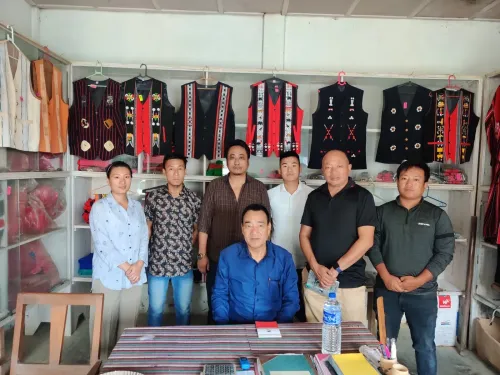
The scheme aims to supply yarn to handloom weavers across Nagaland, addressing one of the most persistent bottlenecks in the state's weaving economy: reliable, affordable access to raw material. Nagaland's tribal artisans have long faced competition from powerloom textiles, and inconsistent yarn supply has repeatedly forced weavers to scale back or abandon the craft entirely. The Yarn Bank is designed to cut through that barrier. The inauguration was held in the presence of former Chief Minister T.R. Zeliang, lawmaker and women's empowerment advocate Hekani Jakhalu, and other senior officials — a gathering that signals broad political consensus behind the scheme.A living tradition, a deliberate occasion
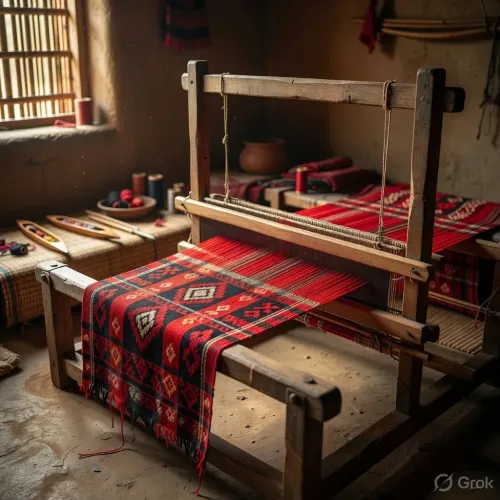
National Handloom Day has been observed every 7 August since 2015, when the central government instituted it to honour the Swadeshi movement and spotlight India's weaving communities. Launching a state scheme on this date is a deliberate act of framing: it ties a livelihood intervention to cultural pride, making the policy harder to dismiss as routine bureaucracy. Nagaland's handloom tradition is not ornamental heritage — it is woven into tribal identity, ceremonial life, and local economies across the state's districts. Shawls, wraps, and ceremonial cloth carry clan markers and community histories that no powerloom can replicate. Keeping weavers at their looms is, in that sense, an act of cultural continuity as much as economic policy.Northeast India's wider push to link culture with livelihood
Nagaland's move fits a broader pattern across India's Northeast, where state governments have repeatedly tried to connect cultural preservation with concrete livelihood support. The challenge has always been implementation — getting yarn, credit, and market access to weavers in remote hill districts, not just announcing schemes at inaugurations. The real test of the Chief Minister's Yarn Bank Scheme will come in its distribution reach, beneficiary coverage, and whether yarn actually flows to weavers in every district, not just those close to administrative centres. For now, the signal from Kohima is clear: the Rio government is betting that protecting Nagaland's looms is both good policy and good politics.Point of View
Rio frames an economic intervention as an act of identity preservation, which is far more durable politically than a plain subsidy announcement. The presence of T.R. Zeliang, a rival-camp veteran, suggests the Rio government is working to project unity ahead of any electoral cycle. The harder question is whether the scheme's supply chain can reach weavers in Nagaland's more remote hill districts, where the need — and the political payoff — is greatest.
NationPress
21 Sept 2026
Frequently Asked Questions
What is the Chief Minister's Yarn Bank Scheme in Nagaland?
The Chief Minister's Yarn Bank Scheme is a Nagaland state initiative launched on 7 August 2026 by Chief Minister Neiphiu Rio to supply yarn to handloom weavers, helping them sustain traditional weaving without interruption from raw-material shortages.
Why is National Handloom Day celebrated on 7 August?
National Handloom Day is observed on 7 August every year since 2015 to commemorate the launch of the Swadeshi movement on that date in 1905 and to recognise the contribution of India's handloom weavers to the economy and cultural heritage.
Who is Hekani Jakhalu and why was she at the inauguration?
Hekani Jakhalu is a Nagaland politician and advocate known for her focus on women's empowerment and entrepreneurship. Her presence at the inauguration reflects the scheme's relevance to women weavers, who form a significant share of Nagaland's handloom workforce.
Who is T.R. Zeliang?
T.R. Zeliang is a former Chief Minister of Nagaland and a senior leader of the Naga People's Front. His attendance at the inauguration alongside CM Rio signals cross-party support for the Yarn Bank Scheme.
How does the Yarn Bank Scheme help Nagaland's tribal weavers?
By providing direct yarn supply through a state-managed bank, the scheme aims to eliminate the raw-material access gap that has long forced tribal artisans to reduce or stop weaving, helping preserve both livelihoods and Nagaland's centuries-old textile heritage.