CM Rekha Gupta Hails PM Modi's Diwali in Naxal-Free Bastar
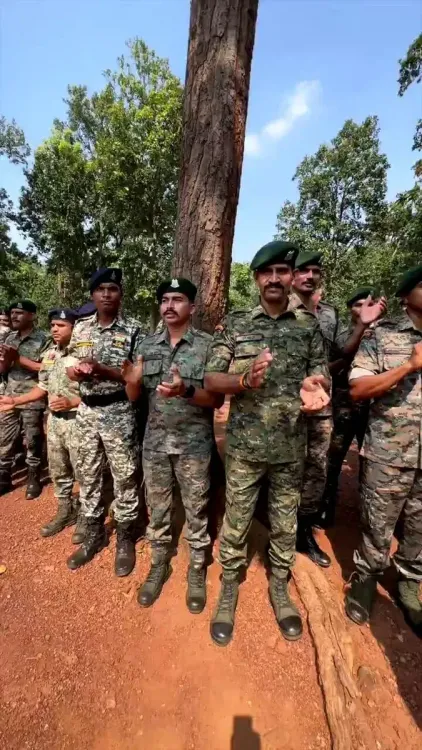
Synopsis
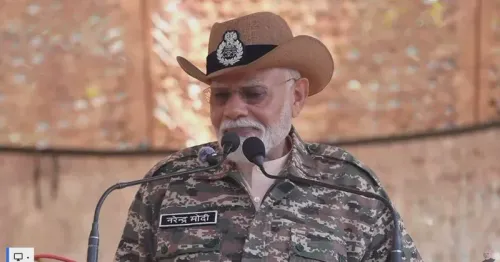
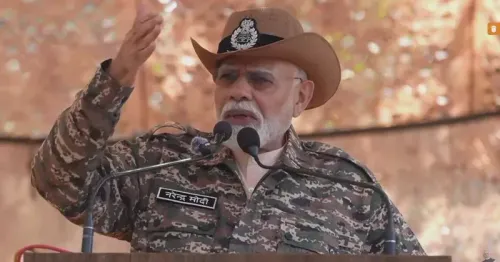
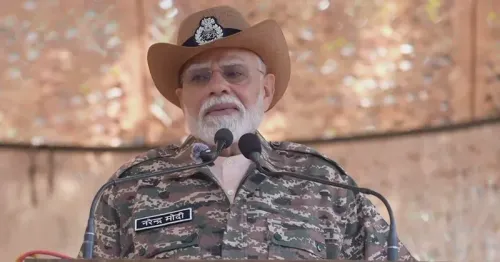
Delhi CM Rekha Gupta celebrated PM Modi's Diwali 2026 visit to security forces in Bastar, Chhattisgarh — a district the government describes as now Naxal-free after decades of Left Wing Extremist violence — calling it 'a Diwali to remember.'
Key Takeaways
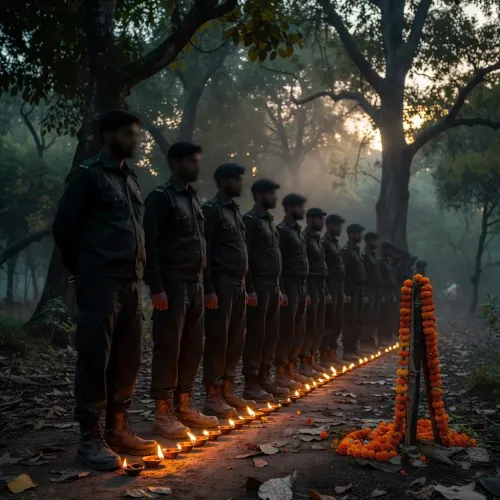
PM Modi spent Diwali 2026 with security forces in Bastar, Chhattisgarh , continuing his annual tradition of celebrating the festival at forward security locations.
Delhi CM Rekha Gupta described Bastar as now 'Naxal-free,' framing the visit as a historic milestone in India's decades-long counter-insurgency effort.
Since 2014 , the Ministry of Home Affairs has pursued a dual strategy of paramilitary operations and development programmes to reduce Left Wing Extremism-affected districts.
Bastar was long considered one of the most resistant and dangerous LWE zones in central India due to difficult terrain and entrenched insurgent presence.
Official Home Ministry notifications formally de-listing districts and follow-up development packages for Bastar are the key markers to watch next.
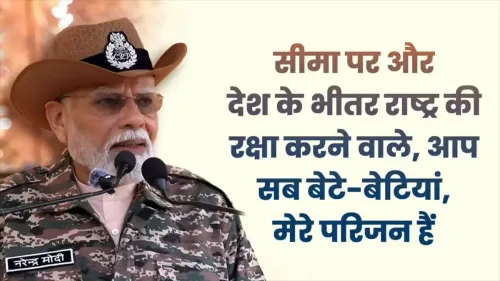
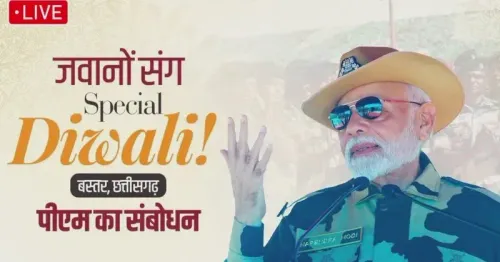
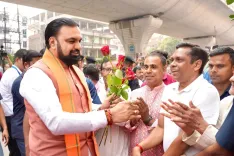
A festival of lights in a region that once knew only the shadow of violence. Delhi Chief Minister Rekha Gupta marked Diwali 2026 by celebrating what she called a historic milestone — Prime Minister Narendra Modi spending the festival with security forces in Bastar, Chhattisgarh, a district long synonymous with Left Wing Extremism that the government now claims has turned a corner.
Modi's Diwali tradition — and why Bastar stands apart
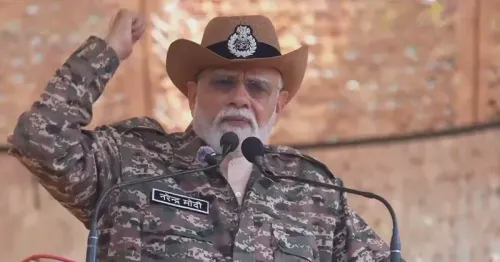
Every year since taking office, PM Modi has marked Diwali not at a ceremonial function in the capital but at forward posts with soldiers, paramilitary personnel, or border guards. The gesture has become one of the most watched annual rituals of his tenure — a deliberate signal about where the government places its symbolic weight.
But this year's choice of Bastar carries a sharper edge. The district in southern Chhattisgarh was for decades a flashpoint of Maoist insurgency, with security forces, civilians, and administration officials bearing the cost in lives and displacement. CM Gupta's post describes the region as now 'Naxal-free' — a term that, if officially confirmed, would mark one of the most consequential security shifts in the region in a generation.
A decade of pressure — kinetic and developmental
The road to this moment, if the claim holds, was not sudden. Since 2014, the Ministry of Home Affairs has pursued a twin-track approach in Left Wing Extremism-affected zones: intensified operations by central paramilitary forces alongside infrastructure drives — roads, mobile connectivity, banking access, and welfare delivery — designed to shrink the conditions in which insurgency takes root.
Bastar was always the hardest test of that strategy. Sprawling forest cover, difficult terrain, and deep-rooted local grievances made it resistant to both kinetic pressure and development outreach. The number of LWE-affected districts across central India has fallen sharply over the past decade according to Home Ministry tracking — but Bastar's symbolic weight means its status carries outsized significance.
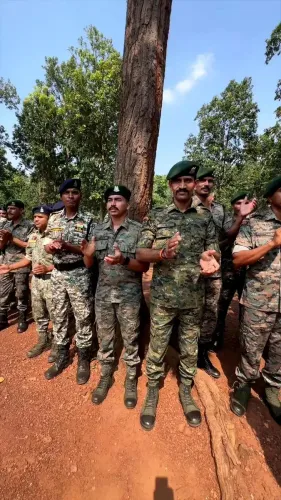
Residents of the district and the security forces stationed there are the most immediate stakeholders. For families who lived under the threat of violence and for jawans who served in some of the most dangerous postings in the country, a peaceful Diwali in Bastar is not an abstraction.
What the government will need to prove next
Political claims of 'Naxal-free' status have been made and contested before in India's counter-insurgency history. The credibility of this one will rest on official notifications from the Home Ministry formally de-listing districts, sustained ground-level security data, and — critically — whether development investment follows the security dividend.
CM Gupta's post frames the moment in aspirational terms: 'embracing a new era of peace and progress.' The peace, security forces have worked years to establish. The progress is what Bastar's residents will now watch for.
Point of View
It would represent the culmination of a decade-long Home Ministry strategy that combined kinetic pressure with development penetration in central India's most resistant LWE zones. The BJP has strong electoral incentives to crystallise this narrative ahead of any state or national cycle, but the claim will face scrutiny: past declarations of insurgency rollback in Bastar have been partially walked back when violence resurged. The real test is whether the security dividend translates into lasting institutional presence and economic opportunity for a region that has borne the heaviest costs.
NationPress
8 Nov 2026
Frequently Asked Questions
Why does PM Modi celebrate Diwali with security forces every year?
PM Modi has made it a consistent practice since 2014 to spend Diwali at forward security locations — with soldiers, paramilitary personnel, or border guards — as a symbolic gesture of solidarity with those serving away from their families during the festival.
Is Bastar actually Naxal-free in 2026?
Delhi CM Rekha Gupta described Bastar as Naxal-free in her post marking PM Modi's Diwali visit, but an official Home Ministry notification formally de-listing the district would be the authoritative confirmation. The government's research indicates this precise status has not been independently verified in available data.
What is Left Wing Extremism and why is Bastar important?
Left Wing Extremism refers to the Maoist insurgency that has affected forested districts across central and eastern India for decades. Bastar in Chhattisgarh became one of its most entrenched zones due to difficult terrain and deep-rooted local grievances, making any security progress there symbolically and strategically significant.
What has the government done to reduce Naxal activity in Bastar?
Since 2014 , the Ministry of Home Affairs has combined intensified central paramilitary operations with infrastructure projects — roads, mobile connectivity, banking access, and welfare delivery — to shrink both the operational capacity and the social conditions sustaining Naxal presence in central India.
What should we watch for after this Diwali visit to Bastar?
Key developments to track include formal Home Ministry notifications de-listing Bastar as an LWE-affected district, any new development packages announced for the region, and ground-level security data showing whether the reduction in extremist activity is sustained over time.