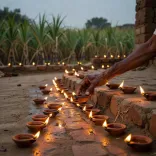
CM Samrat Choudhary offers Diwali puja at Patna Mahalakshmi shrine
Synopsis
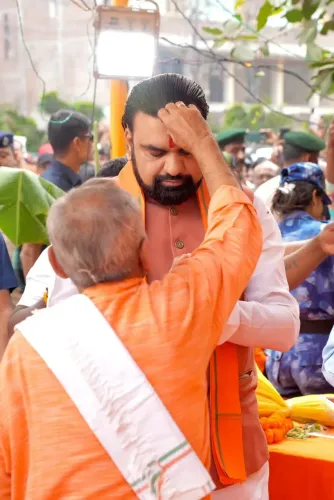
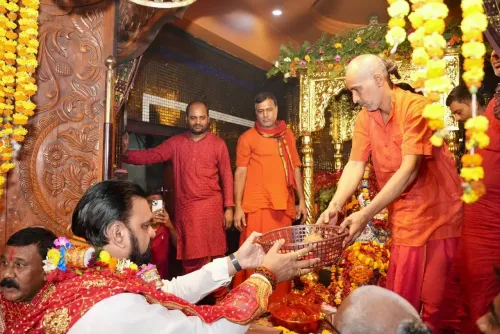
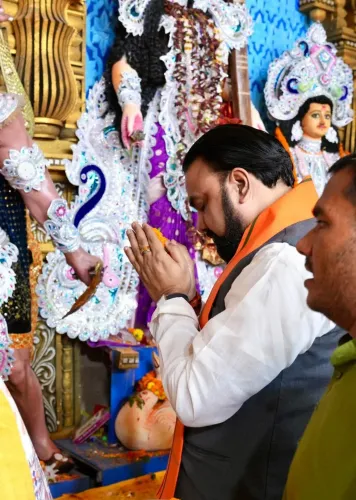
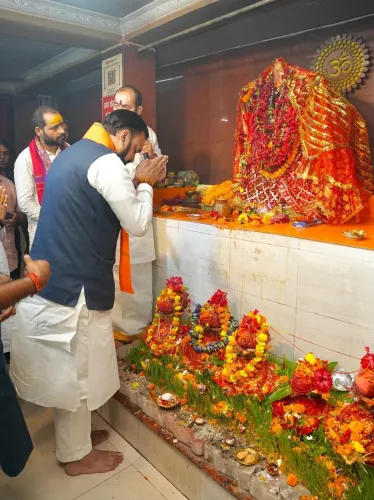
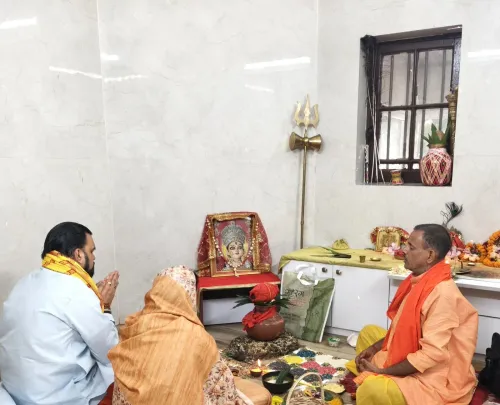
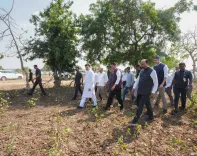
Bihar Chief Minister Samrat Choudhary offered Diwali prayers before the Maa Mahalakshmi idol on Digha Ashiana Road in Patna on 8 November 2026, praying for the state's happiness, peace, prosperity, and well-being.
Key Takeaways
Bihar CM Samrat Choudhary performed Diwali puja on 8 November 2026 .
The prayers were offered before the idol of Maa Mahalakshmi on Digha Ashiana Road, Patna .
The CM prayed for happiness, peace, prosperity, and well-being of Bihar's residents.
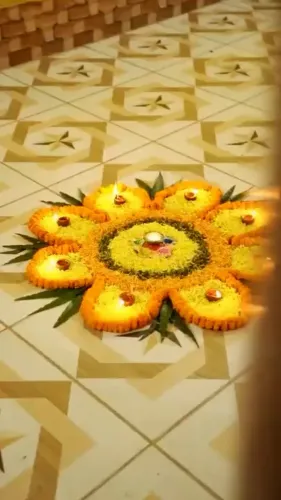
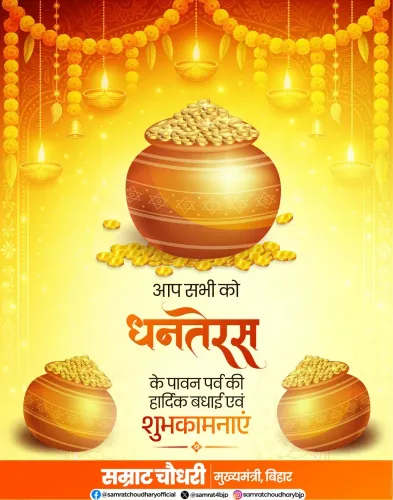
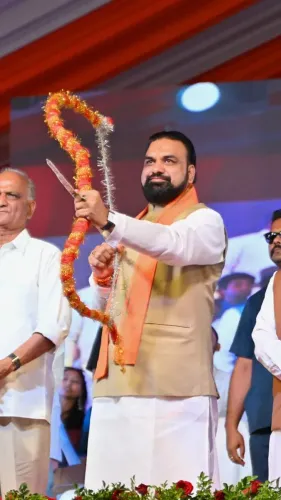
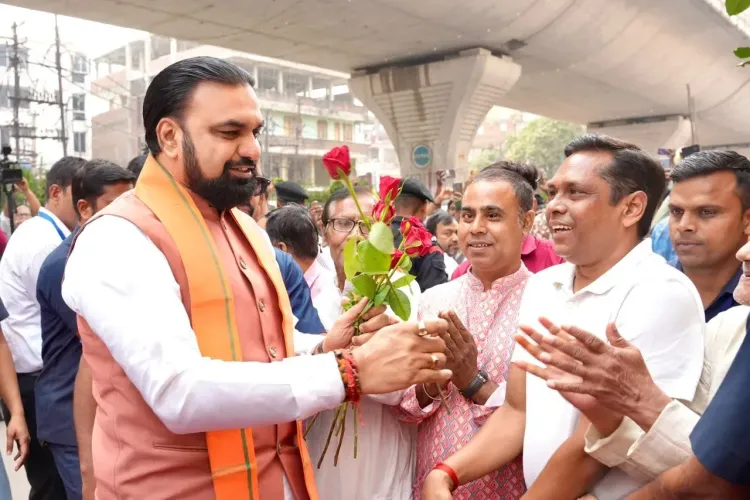
The Chief Minister's Office shared four images of the observance on X.
The gesture follows a nationwide tradition of state chief ministers performing public pujas during Diwali.
On the auspicious occasion of Diwali, Bihar Chief Minister Samrat Choudhary offered prayers before the idol of Maa Mahalakshmi on Digha Ashiana Road, Patna, seeking happiness, peace, prosperity, and well-being for the people of the state.
The Chief Minister's Office shared visuals of the observance on Sunday, 8 November 2026, with the post reading: 'माननीय मुख्यमंत्री श्री सम्राट चौधरी जी ने आज दीपावली के पावन अवसर पर… राज्य की सुख, शांति, समृद्धि एवं खुशहाली की कामना की' — 'On this sacred occasion of Deepawali, the honourable Chief Minister Shri Samrat Choudhary offered worship before the idol of Maa Mahalakshmi and prayed for the happiness, peace, prosperity, and well-being of the state.'
A public act of faith on Bihar's festival stage
The gesture follows a well-established tradition in Indian state governance: chief ministers marking Diwali — the festival of lights celebrated in honour of Goddess Lakshmi — with public acts of worship that double as expressions of welfare intent toward citizens. Performing the puja at a prominent public shrine on Digha Ashiana Road, one of Patna's busier arterial stretches, underscored the visible, public-facing nature of the observance.
Maa Mahalakshmi, the goddess of wealth and fortune, is at the symbolic centre of Diwali worship across India, making the choice of shrine particularly resonant with the season's themes of abundance and renewal.
Diwali and the rhythm of Bihar's governance calendar
Festival-season communications from state governments serve a dual purpose — reaffirming cultural continuity and projecting the administration's connection to the people's everyday lives. Bihar, with its deeply rooted festival culture, sees its political leadership consistently participate in public religious observances as a way of signalling attentiveness to the state's social fabric. Watch for follow-up welfare announcements or public addresses from the Chief Minister's Office as the broader festival season continues.
The lights of Diwali burn for one night — but the welfare wishes offered before them are meant to last the year.
Point of View
Signalling the administration's alignment with the state's social and spiritual calendar. For Bihar's leadership, such visible acts of worship at accessible public shrines reinforce a grassroots connect in a state where festival participation carries significant cultural weight. The choice of Maa Mahalakshmi — the presiding deity of wealth and fortune — as the focal point also carries an implicit governance message: an aspiration for economic well-being woven into a ceremonial moment.
NationPress
8 Nov 2026
Frequently Asked Questions
Where did Bihar CM Samrat Choudhary perform Diwali puja in 2026?
He offered prayers before the Maa Mahalakshmi idol on Digha Ashiana Road in Patna on 8 November 2026.
What did Bihar CM Samrat Choudhary pray for on Diwali?
He prayed for the happiness, peace, prosperity, and well-being of the people of Bihar.
Who is Samrat Choudhary?
Samrat Choudhary is a Bihar politician who serves as the Chief Minister of Bihar.
Why do Indian chief ministers perform public pujas on Diwali?
It is a longstanding tradition for Indian state leaders to mark Diwali with public religious observances, expressing cultural solidarity and welfare wishes toward their citizens.
Which goddess is worshipped on Diwali in India?
Maa Mahalakshmi, the goddess of wealth and fortune, is the principal deity worshipped during Diwali across India.