CM Samrat Choudhary Extends Diwali Greetings to Bihar
Synopsis
Bihar Chief Minister Samrat Choudhary greeted state residents on Diwali 2026, invoking Ayodhya as 'Saket Nagari' and the Upanishadic verse 'Tamaso maa jyotirgamay,' pairing devotional imagery with a call for a developed and prosperous Bihar.
Key Takeaways
Bihar CM Samrat Choudhary posted Diwali greetings on 8 November 2026 .
He invoked the Upanishadic verse 'Tamaso maa jyotirgamay' — 'Lead us from darkness into light.' Ayodhya was referenced by its Sanskrit name 'Saket Nagari,' placing Lord Ram's ideals at the centre of the message.
The post combined devotional, cultural, and developmental themes — a characteristic BJP communication frame.
CM Choudhary called on people to pledge toward a 'developed, prosperous, and bright future' for Bihar.
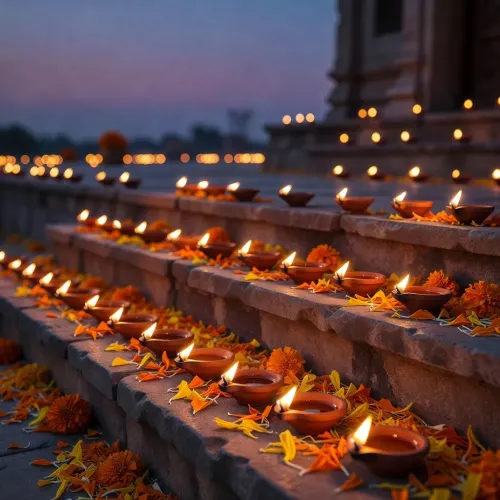
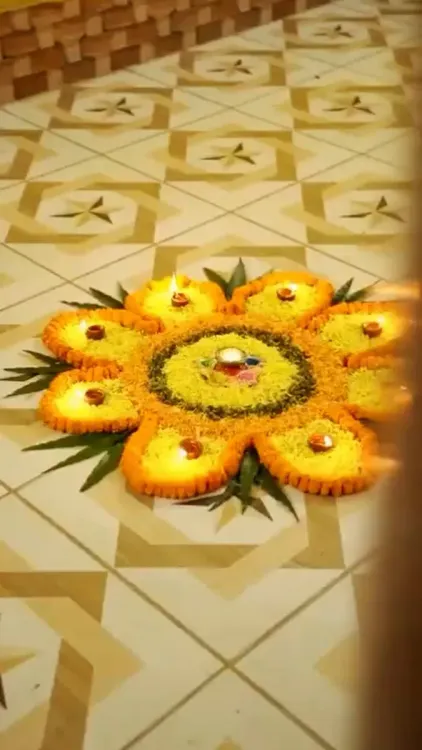
The glow of a thousand lamps over Saket Nagari — Ayodhya set the backdrop as Bihar Chief Minister Samrat Choudhary extended warm Diwali wishes to residents of the state on Sunday, 8 November 2026, invoking the timeless Upanishadic prayer 'Tamaso maa jyotirgamay' — 'Lead us from darkness into light.'
In his message posted on X, CM Choudhary painted a vivid picture of Ayodhya — the ancient city of Lord Ram — illuminated by rows of lamps, and expressed hope that this Diwali would carry 'happiness, peace, prosperity, and the light of new hope' into every home. He closed with a call to kindle lamps of joy and renew the pledge toward 'a developed, prosperous, and bright future.'
Ayodhya's symbolic weight in Diwali messaging
The choice of 'Saket Nagari' — the Sanskrit name for Ayodhya — is deliberate and resonant. Ayodhya sits at the spiritual heart of the Ramayana tradition, and Diwali itself is commemorated across North India as the day Lord Ram returned home after vanquishing Ravana, with the city lit up in his honour. For a BJP leader to anchor festival greetings in that imagery is consistent with a broader cultural idiom the party has long cultivated — tying contemporary governance aspirations to the civilisational ideal of Ram Rajya, or righteous rule.
Festival greetings as political communication
Festival messages from state chief ministers are a fixture of Indian political communication, but their texture varies. CM Choudhary's post layers three distinct registers: the devotional (the Upanishad verse), the cultural (the Ayodhya imagery), and the developmental ('a developed and prosperous future'). That triangulation — faith, heritage, and progress — is a signature BJP communication frame, and its deployment here by the head of one of India's most populous states ensures the message reaches well beyond a simple seasonal greeting.
Point of View
Vedic scripture, and development rhetoric signals how the BJP continues to weave cultural nationalism into everyday political communication in Bihar. With state politics in Bihar always finely balanced across caste and community lines, messaging that elevates pan-Hindu symbolism while gesturing toward material progress serves a dual purpose: consolidating the base and projecting a forward-looking chief ministerial identity. Watch for how rival parties respond with their own festival messaging — the contrast will reveal competing visions for the state's political soul.
NationPress
8 Nov 2026
Frequently Asked Questions
Who is Samrat Choudhary?
Samrat Choudhary is the Chief Minister of Bihar and a senior leader of the Bharatiya Janata Party (BJP).
What did Bihar CM Samrat Choudhary post for Diwali 2026?
He posted warm Diwali wishes on X on 8 November 2026, invoking the Upanishadic verse 'Tamaso maa jyotirgamay,' referencing Ayodhya as 'Saket Nagari,' and calling for a pledge toward a developed and prosperous Bihar.
What does 'Tamaso maa jyotirgamay' mean?
It is a Sanskrit prayer from the Brihadaranyaka Upanishad meaning 'Lead us from darkness into light,' and is widely associated with the spirit of Diwali.
Why is Ayodhya called Saket Nagari?
'Saket' is an ancient and Sanskrit name for Ayodhya, the city in Uttar Pradesh believed to be the birthplace of Lord Ram and central to the Ramayana tradition. Diwali celebrates Lord Ram's return to Ayodhya.
Is it common for BJP leaders to reference Lord Ram in Diwali messages?
Yes, BJP leaders frequently invoke Lord Ram and Ayodhya in festival greetings, linking devotional and cultural themes with their broader political and developmental messaging.