CM's Office Maharashtra calls for plastic-free Diwali
Synopsis
The Chief Minister's Office of Maharashtra issued a Diwali 2026 appeal calling for paper lanterns over plastic decorations, tagging CM Devendra Fadnavis under #EcoFriendlyDiwali — building on the state's 2018 single-use plastic ban and aligning with national festival-waste reduction guidelines.
Key Takeaways
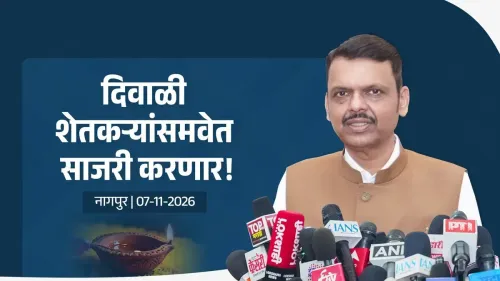
The Chief Minister's Office of Maharashtra posted a Marathi appeal on 8 November 2026 urging a plastic-free, eco-friendly Diwali.
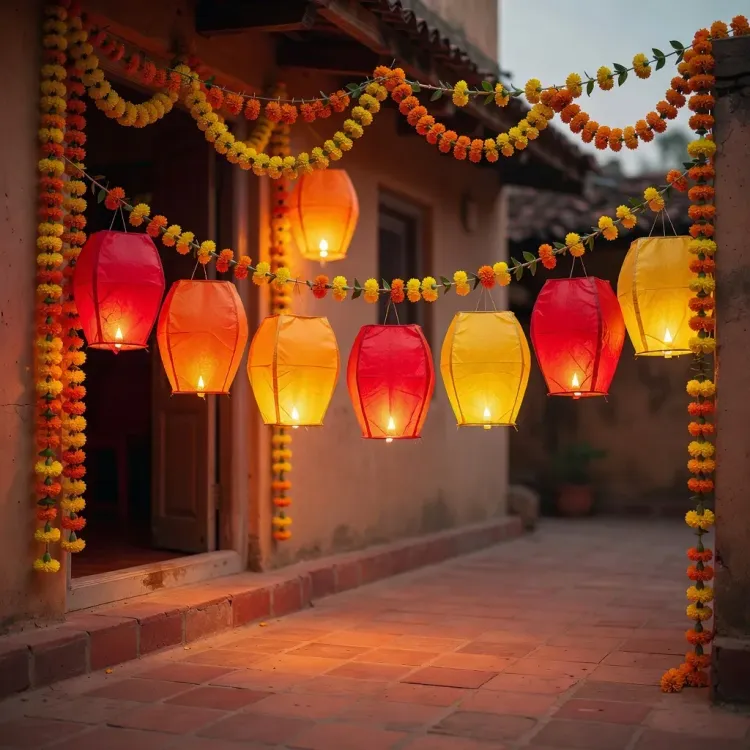
The post promotes the traditional paper 'aakashkandil' (sky-lantern) as a biodegradable alternative to plastic decorations.
CM Devendra Fadnavis was directly tagged, signalling political ownership of the environmental message.
Maharashtra banned identified single-use plastics via a government notification in June 2018 , one of India's earliest such state-level actions.
The appeal aligns with Swachh Bharat Mission guidelines and Maharashtra Pollution Control Board advisories on festival waste management.
Follow-up enforcement action by the Maharashtra Pollution Control Board during the 2026 festive season remains to be watched.
Paper lanterns at the door, not plastic waste in the streets — the Chief Minister's Office of Maharashtra rang in the 2026 Diwali season on Sunday, 8 November with a crisp, poetic call for an eco-friendly celebration, tagging Chief Minister Devendra Fadnavis in a push to bring the message to every household in the state.
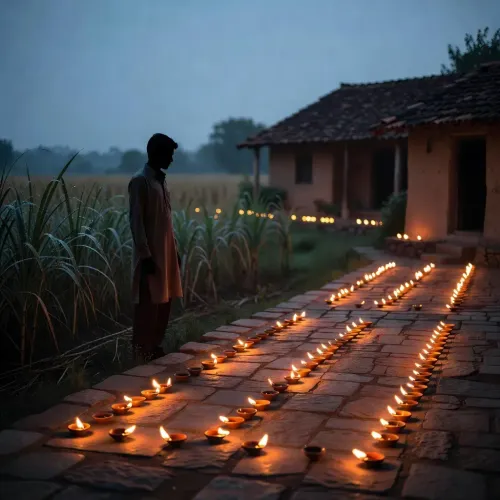
The post, written in Marathi, reads: 'कागदी आकाशकंदील दारी... प्लॅस्टिकमुक्त दिवाळी घरोघरी..' — 'Paper sky-lanterns at the door... a plastic-free Diwali in every home.' The appeal pairs the warmth of the festival with an environmental imperative, calling for a prosperous yet planet-conscious celebration under the hashtag #EcoFriendlyDiwali.
Maharashtra's eight-year battle against festival plastic
Maharashtra was among the first Indian states to act decisively on single-use plastics, issuing a government notification in June 2018 that banned the manufacture, sale, and use of identified plastic items across the state. That foundational order has since been reinforced through urban local body drives and periodic crackdowns by the Maharashtra Pollution Control Board. Diwali — with its surge in packaging, decorative lanterns, and gift wrapping — has long been a flashpoint for plastic waste generation in Maharashtra's cities.Why sky-lanterns matter more than you think
The choice of the paper 'aakashkandil' (sky-lantern) as a symbol is deliberate. For decades, traditional Diwali lanterns in Maharashtra were handcrafted from paper, bamboo, and thread — biodegradable, locally made, and labour-intensive in the best sense. The mass market gradually replaced them with plastic and thermocol versions that survive in landfills long after the festival ends. By spotlighting the kāgdī ākkāśkandīl — the paper lantern — the CMO is reaching for cultural memory as an environmental argument. Prosperity and sustainability, the post insists, are not competing ideas.Fitting into the national festive-waste conversation
Maharashtra's appeal is part of a broader pattern across Indian states: ahead of Diwali each year, state administrations and pollution-control boards urge citizens to cut firecrackers, choose biodegradable decorations, and segregate post-festival waste — all in line with Swachh Bharat Mission implementation guidelines. What gives this year's nudge a sharper edge is the direct tagging of Chief Minister Fadnavis, signalling top-level political ownership of the message rather than a routine bureaucratic advisory. Whether the Maharashtra Pollution Control Board follows the appeal with enforcement orders or post-festival waste-collection drives during the 2026 festive season will be the real test of how far the slogan travels from screen to street.Point of View
The CMO is making environmental messaging a visible political priority ahead of the festive season — a subtle but meaningful shift in ownership. The paper-lantern imagery is a smart cultural manoeuvre: it frames the green ask not as sacrifice but as a return to tradition, lowering the psychological cost of compliance for ordinary households. For a state that passed one of India's first sweeping single-use-plastic bans in 2018, this Diwali campaign is less a new initiative and more an annual stress-test of whether that law has changed habits on the ground. The real political dividend will come only if waste data from Maharashtra's urban local bodies after Diwali 2026 shows measurable improvement.
NationPress
8 Nov 2026
Frequently Asked Questions
What did the Maharashtra CMO post for Diwali 2026?
The Chief Minister's Office of Maharashtra posted a Marathi appeal on 8 November 2026 calling for a plastic-free, eco-friendly Diwali, promoting paper sky-lanterns and tagging CM Devendra Fadnavis under #EcoFriendlyDiwali.
What is the Maharashtra plastic ban and when was it introduced?
Maharashtra issued a government notification in June 2018 banning the manufacture, sale, and use of identified single-use plastic items across the state, making it one of India's earliest state-level plastic bans.
What is an aakashkandil and why is it used for Diwali?
An aakashkandil is a traditional Indian sky-lantern, historically made from paper, bamboo, and thread. It is a classic Diwali decoration in Maharashtra, and its biodegradable form is being promoted as an eco-friendly alternative to plastic versions.
How does the Maharashtra Diwali eco campaign connect to Swachh Bharat Mission?
State-level appeals for plastic-free and low-waste Diwali celebrations align with Swachh Bharat Mission implementation guidelines and Maharashtra Pollution Control Board advisories on festival waste management.
Who is Devendra Fadnavis and what is his role in this campaign?
Devendra Fadnavis is the Chief Minister of Maharashtra. He was tagged by the CMO in the Diwali eco-appeal, signalling top-level political backing for the plastic-free festival message.