CM Fadnavis Celebrates Diwali With Farmers in Nagpur
Synopsis
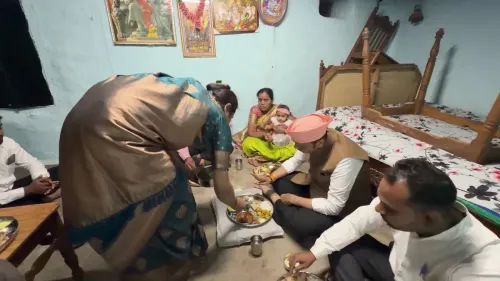
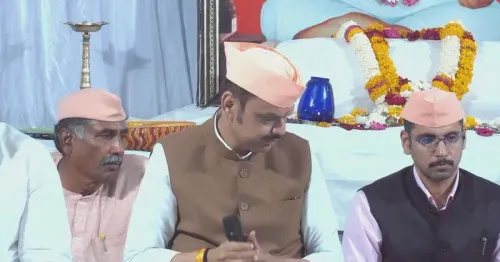
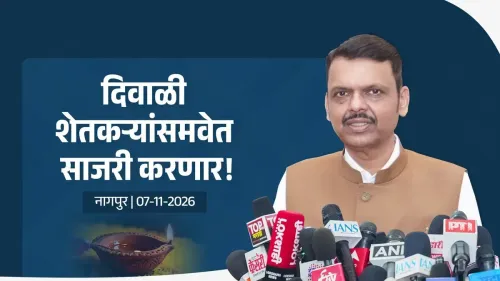
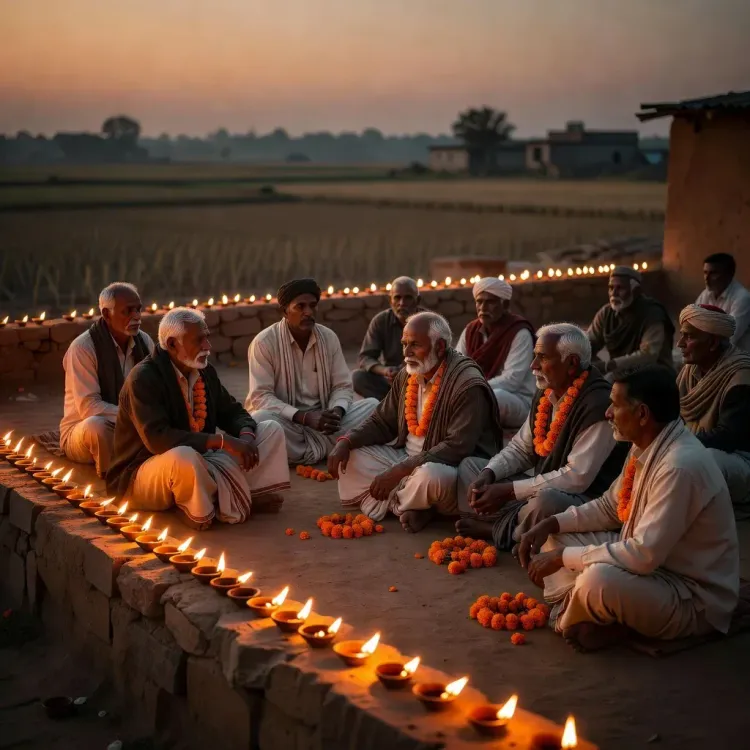
Maharashtra Chief Minister Devendra Fadnavis marked Diwali 2026 by spending the festival with farmers in Nagpur, with the CMO framing it as a unique gesture of solidarity with the state's agricultural community.
Key Takeaways
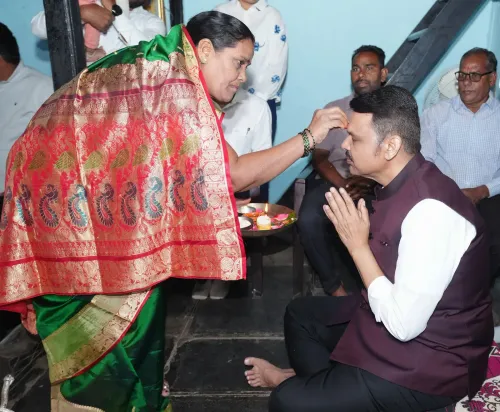
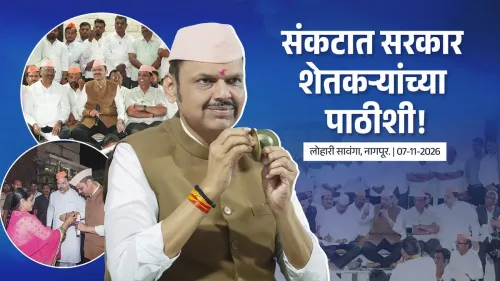
The Chief Minister's Office of Maharashtra shared an image of CM Devendra Fadnavis celebrating Diwali 2026 with farmers.
The event took place in Nagpur , Fadnavis's political home base in eastern Maharashtra.
The CMO described the occasion as an 'anokhi Diwali' — a unique Diwali — with balirajā , a traditional honorific for Maharashtra's farmers.
The outreach follows a broader pattern of Indian state leaders using major festivals for visible solidarity gestures with agricultural communities.
No specific policy announcements were attached to the event in the available information.
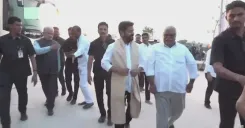
A chief minister trading the city's festive lights for the company of farmers — that is the image Maharashtra Chief Minister's Office put forward on Sunday, November 8, 2026, as it shared a snapshot of Chief Minister Devendra Fadnavis marking Diwali in an 'anokhi' — or unique — fashion alongside balirajā (the cultivator-king, a traditional honorific for Maharashtra's farming community) in Nagpur.
The post, shared on X by the official Chief Minister's Office of Maharashtra, captioned the moment as 'मुख्यमंत्री देवेंद्र फडणवीस यांची बळीराजासोबत अनोखी दिवाळी' — 'Chief Minister Devendra Fadnavis's unique Diwali with the farmer.' The word 'anokhi' — unique — is doing real work here: it frames the gesture as a deliberate departure from the conventional political Diwali, all banquets and party offices, toward the field.
Nagpur, Fadnavis, and the Farmer-Outreach Tradition
Nagpur is Fadnavis's home turf and the seat of his political identity. As a BJP leader who has served multiple terms as Chief Minister of Maharashtra, Fadnavis has consistently positioned himself as accessible to constituencies beyond urban Maharashtra. The choice of Nagpur — the eastern anchor of the state, far removed from Mumbai's corridors of power — reinforces that regional identity. The gesture sits within a well-worn tradition of Indian state leaders marking major festivals through visible outreach to agricultural communities. Diwali, the festival of lights celebrated across the country, carries particular resonance in rural Maharashtra, where it overlaps with the post-harvest season and local agrarian customs. Turning up among farmers rather than attending formal functions is a signal — to rural voters, to the party base, and to the cameras.What the Image of 'Diwali With Farmers' Communicates
Maharashtra's farming community has lived through cycles of distress — debt, unseasonal rains, and persistent demands for better minimum support prices. Against that backdrop, a chief minister choosing to spend festival time with cultivators is a soft but deliberate message of solidarity. The hashtag #DiwaliWithFarmers amplifies that message beyond the immediate moment, turning a single event into a shareable symbol. Whether the gathering involved policy announcements or was purely ceremonial, the CMO Maharashtra account did not specify — and given the research available, specific programmatic details cannot be confirmed. What the post does clearly communicate is a government keen to associate its most recognisable face with the people who work Maharashtra's soil — and to do so at the most photographed moment of the Indian calendar. For a state that is home to one of India's largest farming populations, that association, however symbolic, is never entirely without consequence.Point of View
Festival optics carry electoral weight. The 'anokhi Diwali' framing elevates a ceremonial gesture into a soft narrative of accessibility, contrasting with the perception of urban-centric festival politics. For a BJP government that has consistently sought to consolidate its rural Maharashtra base, such imagery is part of a longer campaign — not a one-off. The real test, as farmer groups would argue, is whether symbolic warmth translates into structural relief on debt, procurement, and climate resilience.
NationPress
8 Nov 2026
Frequently Asked Questions
Why did Devendra Fadnavis celebrate Diwali with farmers in 2026?
The Chief Minister's Office of Maharashtra presented it as a gesture of solidarity with the state's farming community, framing it as a 'unique Diwali' — departing from conventional political celebrations to spend the festival with cultivators in Nagpur.
Where did CM Fadnavis celebrate Diwali with farmers?
The event took place in Nagpur , the eastern Maharashtra city that serves as Fadnavis's political home base.
What does 'balirajā' mean in the context of Maharashtra farmers?
Balirajā is a traditional Marathi honorific meaning 'cultivator-king,' used as a respectful and affectionate term for farmers in Maharashtra.
Is CM Fadnavis celebrating Diwali with farmers a new tradition?
Indian state leaders periodically mark major festivals through public interactions with farming communities. While the specific framing as 'anokhi Diwali' reflects a fresh branding effort, the broader practice of festival-based farmer outreach is an established pattern in Indian state politics.
What is the significance of Diwali for Maharashtra's farming community?
In rural Maharashtra, Diwali coincides with the post-harvest season and carries agrarian cultural significance, making it a particularly resonant moment for political gestures of solidarity with farmers.