CWG 2026: Team India shifts from ceremony to competition in Glasgow
Synopsis
Less than twelve hours after marching into Glasgow's OVO Hydro, Team India had already moved from ceremony to competition. The contingent's swift mental reset — coaches reviewing schedules, physios running recovery, nutritionists recalibrating meal plans — captures the discipline that defines elite Indian sport, and previews what the nation will need to replicate on home soil at Ahmedabad 2030.
Key Takeaways
Team India resumed full competition preparation by Friday morning, 24 July , hours after the CWG 2026 opening ceremony at OVO Hydro, Glasgow .
Athletes are housed in hotels rather than a traditional Athletes Village, requiring tighter logistical coordination from the Indian Olympic Association (IOA) .
Glasgow 2026 's compact venue layout has reduced athlete travel time, allowing more hours for training and recovery.
The IOA is coordinating closely with National Sports Federations to ensure zero operational disruptions throughout the Games.
India is set to host the centenary Commonwealth Games in Ahmedabad in 2030 ; Glasgow's operational model is seen as a direct reference point for Indian planners.
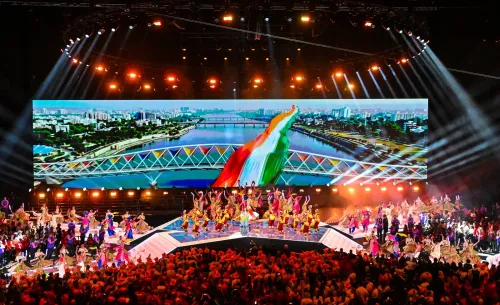
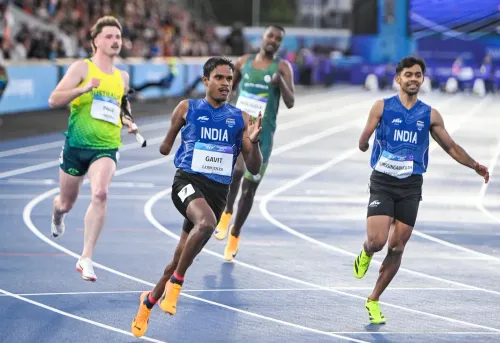
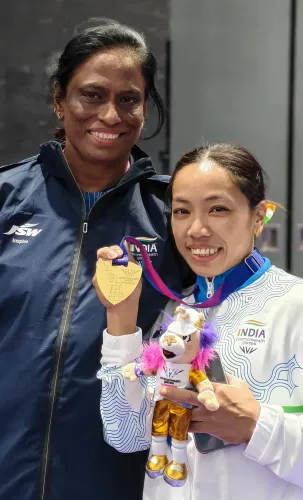
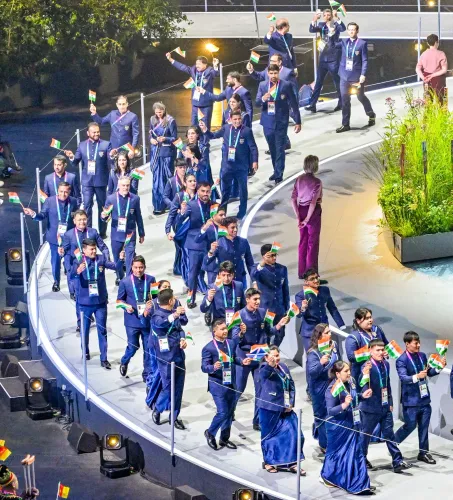
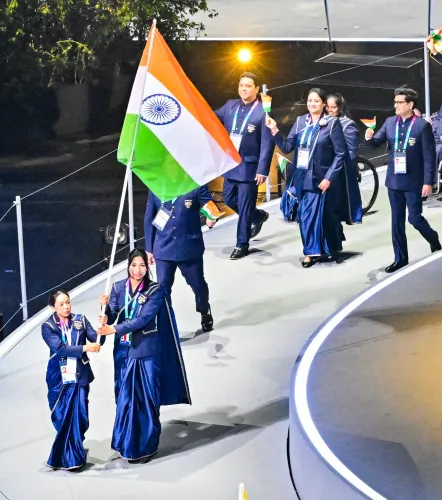
Team India wasted little time after the glittering opening ceremony of the 2026 Commonwealth Games in Glasgow, pivoting sharply to competition mode within hours of marching into the OVO Hydro on Thursday, 23 July. By Friday morning, coaches, physiotherapists, and athletes had already resumed the disciplined routines that define elite sport, making clear that the ceremony was a milestone, not a pause.
From Ceremony to Competition Floor
While millions of viewers across India stayed up late to watch the colourful opening procession, the Indian contingent had mentally moved on before the night was out. Friday's schedule inside team hotels — substituting for a traditional Athletes Village — reflected the unglamorous reality of high-performance sport: coaches reviewing competition draw sheets, physiotherapists running recovery sessions, nutritionists calibrating individual meal plans, and team managers coordinating venue logistics.
The atmosphere, by all accounts, was one of quiet confidence rather than post-ceremony euphoria. Conversations among support staff and athletes centred on technical preparation and maintaining the training rhythms built over months — not on the spectacle of the previous evening.
Glasgow's Compact Format: An Operational Advantage
One of the defining features of Glasgow 2026 is its deliberate use of existing world-class infrastructure rather than newly constructed venues. The compact venue layout has significantly reduced athlete travel time between sites — a seemingly minor logistical detail that, across the duration of a demanding multi-sport event, can translate into meaningful gains in recovery and preparation time.
This is a notable departure from the sprawling footprints of several recent Commonwealth Games editions, where inter-venue commutes consumed hours that athletes could ill afford. Glasgow's model has drawn attention from sports administrators as a template for cost-effective, athlete-centred event delivery.
The Unseen Support Structure
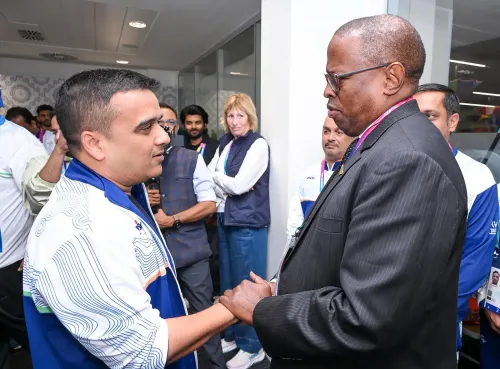
Behind every Indian competitor at Glasgow 2026 is an extensive support ecosystem that rarely makes headlines. Doctors, strength-and-conditioning specialists, mental performance coaches, and logistics personnel have been working around the clock since the contingent's arrival. The Indian Olympic Association (IOA) has been coordinating closely with National Sports Federations and Games organisers to ensure athletes face no operational disruptions from the first day of competition.
This support infrastructure is particularly critical given the hotel-based accommodation arrangement — an unusual setup that demands tighter coordination than a centralised Athletes Village would typically require.
What Glasgow 2026 Means for Ahmedabad 2030
India is scheduled to host the centenary edition of the Commonwealth Games in Ahmedabad in 2030, making Glasgow's operational blueprint especially relevant. The Scottish city's demonstration that a multi-sport event of this scale can be delivered efficiently through repurposed venues and streamlined transport networks offers tangible lessons for Indian planners.
For the IOA and the government bodies overseeing the Ahmedabad 2030 bid, observing Glasgow's execution at close quarters — from athlete welfare to media operations — may prove as instructive as any medal tally.
What to Watch Next
As competition intensifies over the coming days, India's medal prospects across shooting, wrestling, boxing, badminton, and athletics will come into sharper focus. Every podium finish will reflect not just individual talent but the collective, largely invisible effort of a support team that began its real work long before the opening ceremony — and resumed it long before the final note had faded.
Point of View
But the operational test at Glasgow 2026 is arguably as important as the sporting one: hotel-based accommodation, no dedicated Athletes Village, and a compact but unfamiliar venue grid. How the IOA manages those variables will be watched closely by Ahmedabad 2030 planners. Glasgow is, in effect, a live rehearsal for India's own hosting ambitions — and the lessons being absorbed now will matter far beyond this fortnight.
NationPress
23 Oct 2026
Frequently Asked Questions
When did the 2026 Commonwealth Games open and where?
The 2026 Commonwealth Games opened on Thursday, 23 July, at the OVO Hydro in Glasgow, Scotland. Team India participated in the opening ceremony before pivoting to competition preparations the following morning.
Where is Team India staying during CWG 2026?
Team India is accommodated in hotels rather than a centralised Athletes Village, an unusual arrangement for a Games of this scale. The Indian Olympic Association has put additional coordination measures in place to manage logistics and athlete welfare under this setup.
Why is Glasgow 2026 considered operationally significant for India?
India is scheduled to host the centenary Commonwealth Games in Ahmedabad in 2030. Glasgow's model of using existing venues and compact transport networks offers direct planning lessons for Indian organisers, making this edition particularly relevant beyond the medal count.
Which sports will India focus on at CWG 2026?
India is expected to target medals across shooting, wrestling, boxing, badminton, and athletics, disciplines in which the country has historically performed strongly at Commonwealth Games. Competition schedules were being finalised by team coaches from the first full day of the Games.
How has Glasgow reduced the burden on athletes at CWG 2026?
Glasgow 2026 has used existing, world-class infrastructure with a compact venue layout, significantly cutting travel time between competition sites. This allows athletes more time for training, recovery, and preparation — a meaningful operational advantage over Games with sprawling, newly built venue footprints.