Did Losing the 2016 Final Propel England's T20 Success?
Synopsis
Jos Buttler reflects on the significant evolution of England's white-ball cricket since their 2015 World Cup exit. Discover how a heartbreaking loss in 2016 became a catalyst for their staggering successes in 2019 and 2022, reshaping the identity of English cricket forever.
Key Takeaways
England's white-ball cricket has evolved significantly since 2015.
The loss in the 2016 T20 World Cup final catalyzed future successes.
Jos Buttler's leadership has been pivotal in this transformation.
England's aggressive playing style has redefined their cricketing identity.
Upcoming matches are critical for England's campaign.
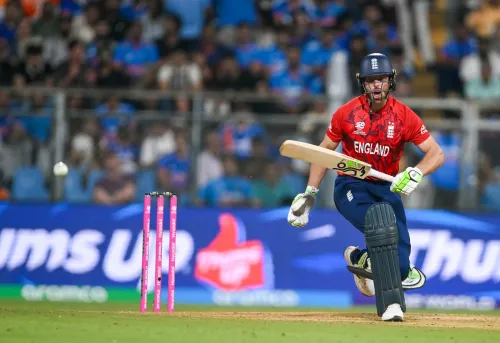
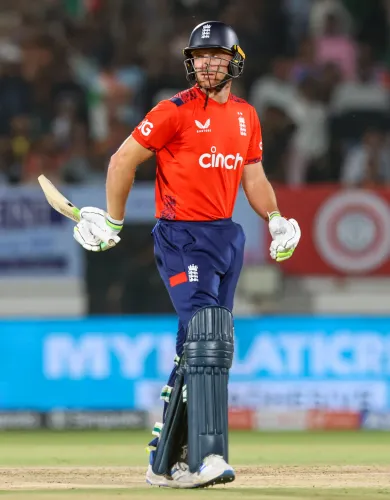
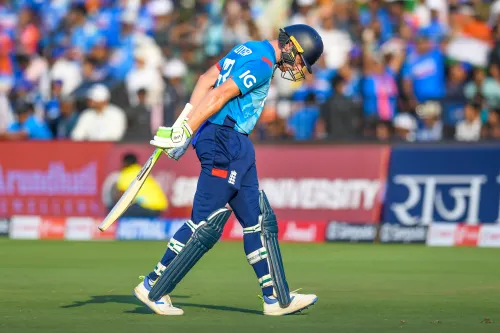
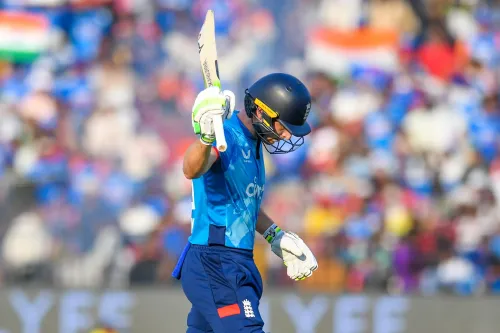
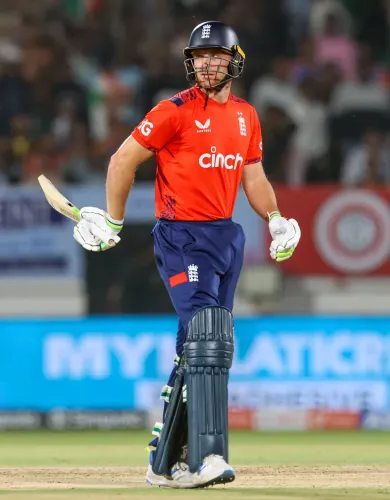
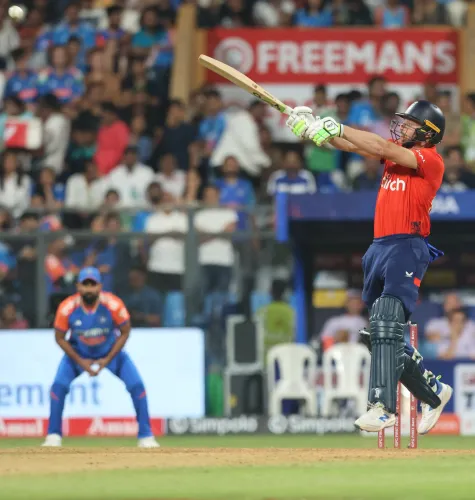
New Delhi, Feb 13 (NationPress) England’s journey in the ICC Men’s T20 World Cup 2026 has been filled with excitement and a sense of familiarity. Now liberated from the pressures of captaincy yet still a pivotal figure in the squad, Jos Buttler reminisced about the evolution of England’s white-ball cricket over the last decade, a transformation that commenced after their disappointing exit from the 2015 ICC Men’s Cricket World Cup.
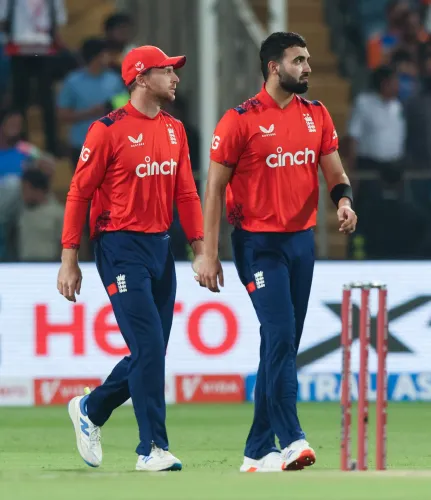
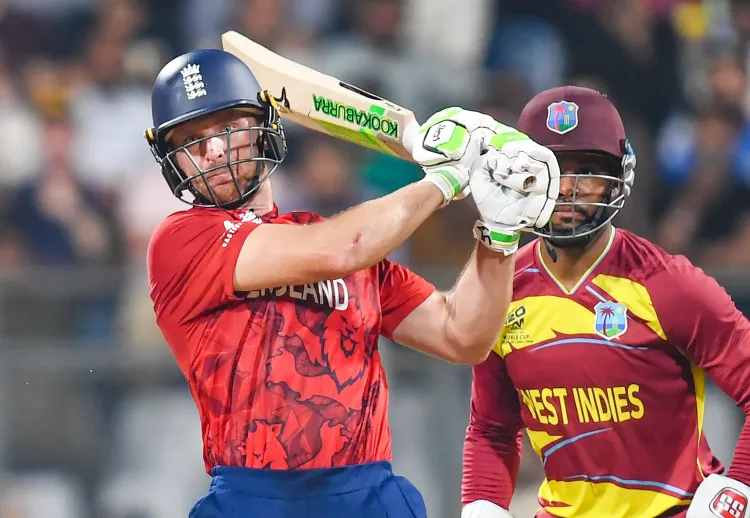
The reigning champions narrowly defeated Nepal by four runs in a nail-biting opening match, only to face a 30-run setback against the West Indies in a rematch of the 2016 T20 World Cup final.
As they prepare for crucial matches against Scotland on Saturday and Italy on Monday, Buttler’s vast experience could be instrumental in helping England regain their momentum.
“It’s been fantastic to be part of this team for such an extended period and witness the transformation in English white-ball cricket. Initially, it was more evident in the 50-over format, but a group of players united in 2015 to change our approach, to challenge norms and, in many ways, to embrace a style that was atypical for England. We aimed to play more aggressively and positively than anyone else globally at that time. This mindset has certainly permeated the English system, and it’s remarkable to see how the younger players in our team and across the country now approach the game,” he stated in an interview on JioStar.
This bold strategy significantly altered England's identity in limited-overs cricket, with its resilience notably tested during their campaign in India a decade ago.
The 2016 ICC Men’s T20 World Cup final, where England was narrowly defeated by the West Indies in the final moments, stands as a pivotal moment in the team’s development. Buttler contends that this painful loss ultimately served as a launchpad for their future successes.
“That World Cup where we fell short in the final was a significant eye-opener for us regarding our potential as a team. We were a youthful side and likely surpassed expectations in that tournament. Being just four balls away from victory was astonishing for us, and as heartbreaking as it was to lose, it soon became clear that we had the capability to win World Cups and progress deep into tournaments. Following that moment, clinching the 50-over World Cup in 2019 and the T20 World Cup in 2022 was largely built upon the lessons learned from that final in India in 2016,” he said.
England went on to secure the 2019 ICC Men’s Cricket World Cup and the 2022 T20 World Cup, affirming the transformative reset initiated in 2015. Buttler, who took over from Eoin Morgan as the white-ball captain, has carried that legacy forward.
“In this team, as you remain longer, your seniority grows and so does your obligation to lead. I had the privilege of learning from Eoin Morgan for an extended period, which enriched my understanding of leadership. He accomplished so much for English white-ball cricket, propelling us to that level. Taking over the captaincy from him was a tremendous honor. There have been memorable moments and challenging ones, but the pinnacle was lifting the T20 World Cup in Melbourne,” he added.
Point of View
I believe that the evolution of England's white-ball cricket is a testament to resilience and adaptability. Jos Buttler's insights highlight the importance of learning from setbacks and how this journey will inspire future generations of cricketers in England and beyond.
NationPress
19 Sept 2026
Frequently Asked Questions
What prompted England's transformation in white-ball cricket?
England's transformation began after their early exit from the 2015 ICC Men's Cricket World Cup, leading to a more aggressive and positive playing style.
How did the 2016 T20 World Cup final impact England's future?
The heartbreak of losing the final to the West Indies served as a catalyst, inspiring the team to pursue victory in subsequent tournaments, including the 2019 and 2022 World Cups.
What role did Jos Buttler play in England's cricketing journey?
Jos Buttler has been a pivotal figure in England's white-ball transformation, serving as a senior player and captain, contributing significantly to their success.
What are England's upcoming matches in the T20 World Cup?
England is set to face Scotland on Saturday and Italy on Monday in crucial T20 World Cup fixtures.
What is the significance of the 2019 and 2022 World Cup victories?
These victories validated the changes made in England's cricketing approach since 2015, showcasing their growth and resilience in international cricket.