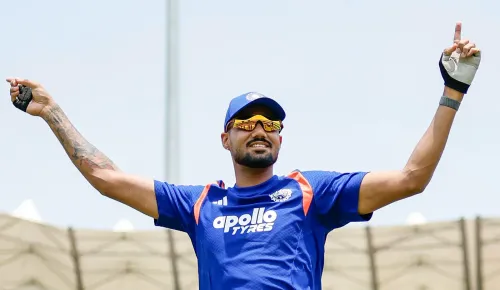
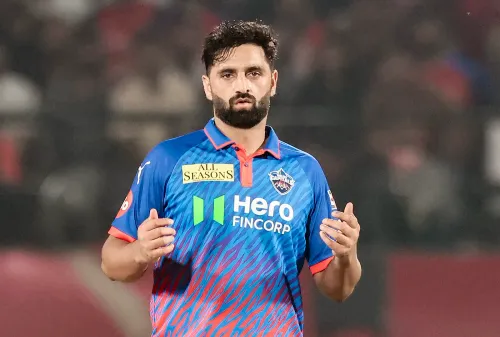
Gambhir backs pressure exposure for Auqib, Gurnoor ahead of 2027 ODI World Cup
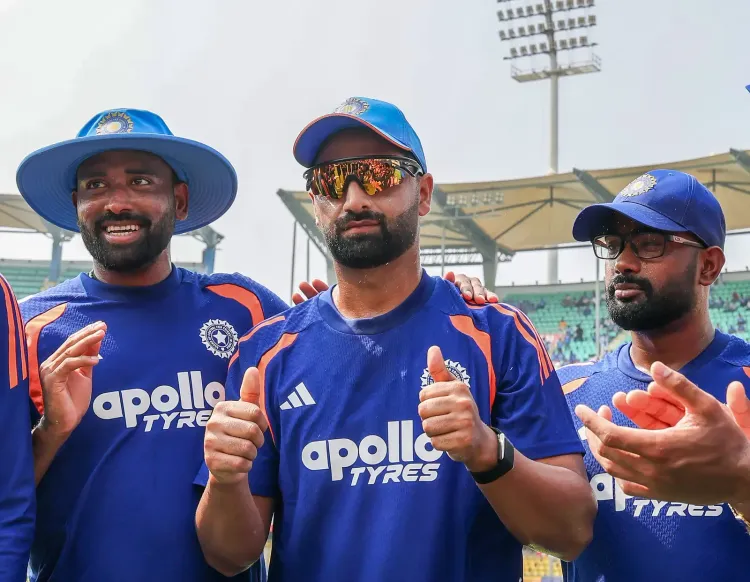
Synopsis
Gambhir isn't apologising for throwing Auqib Nabi and Gurnoor Brar into the deep end. His logic: a World Cup is won or lost on pressure, and the only way to build pressure-proof bowlers is to bowl them when it counts — even if the figures hurt. Nabi's debut went into the record books for the wrong reasons, but Gambhir sees a longer game in play.
Key Takeaways
Gautam Gambhir defended exposing Auqib Nabi and Gurnoor Brar to high-pressure ODI situations as preparation for the 2027 Men's ODI World Cup .
Auqib Nabi conceded 84 runs in 8.5 overs on debut — the most by an India bowler on ODI debut, surpassing Karsan Ghavri's 83 against England at Lord's in 1975 .
Gurnoor Brar gave away 96 runs in 10 overs on a flat Guwahati pitch, taking two wickets .
India won the series with the match in Guwahati , powered by Shubman Gill's unbeaten 223 and Rohit Sharma's 101 .
Gambhir called for a fairer balance between bat and ball, criticising the impact of five fielders inside the circle and two new balls on bowlers' options.
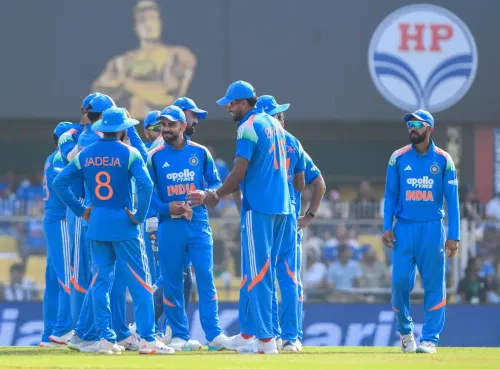
India Head Coach Gautam Gambhir has defended the decision to blood fast bowlers Auqib Nabi and Gurnoor Brar in high-pressure match situations, stating that the strategy is central to the team's long-term build-up ahead of the 2027 Men's ODI World Cup. Speaking after India's series-clinching victory, Gambhir argued that shielding young bowlers in dead rubbers would deny them the very pressure that defines World Cup cricket.
Why Gambhir Chose Pressure Over Protection
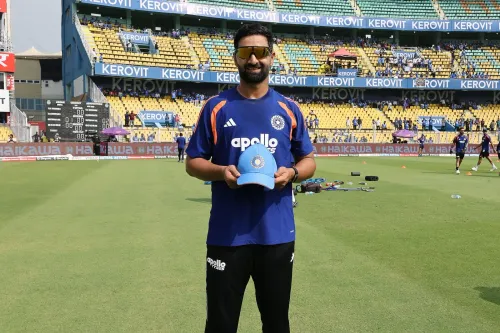
The decision to hand Auqib Nabi his ODI debut cap in Guwahati — with India already 1-0 up in the series — was deliberate, according to Gambhir. 'It wasn't a dead rubber, not at all. We were 1-0 up in the series, but we gave Auqib an opportunity. We could have given him the opportunity in the next match too, when it's a dead rubber, but in a dead rubber, you don't have that pressure which comes with the pressure of winning a series,' Gambhir said.
He added: 'We all know that the World Cup is all about pressure. Cricket isn't going to change much, bat and ball won't change, only the pressure will be different because the World Cup comes once in four years.'
Gurnoor's Difficult Outing and What Gambhir Made of It
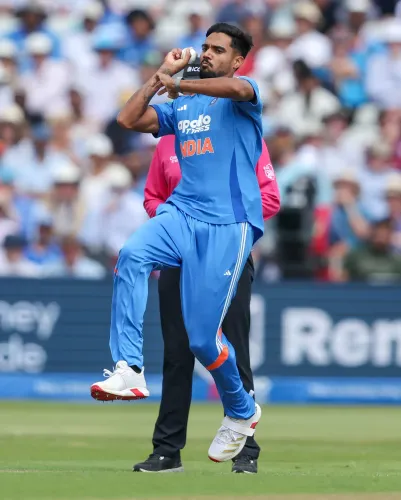
The Guwahati match was a stern test for both debutants on a placid surface. Gurnoor Brar conceded 96 runs in his 10 overs while picking up two wickets. Auqib Nabi, replacing Nitish Kumar Reddy in the playing XI, gave away 84 runs in 8.5 overs — the most by an India bowler on ODI debut, surpassing Karsan Ghavri's 83 conceded against England at Lord's in 1975.
Gambhir was unfazed. 'Having Gurnoor bowl in the first 10 overs and then bowling at the death — I know people will talk about his analysis, but the more he bowls in tough conditions, in tough situations, the better it is for Indian cricket,' he said. 'You can have him bowl in the middle overs and get him to improve his analysis or stats and make him bowl defensively, but the more we expose them at such times, the better it is for Indian cricket.'
A Series Win, but Gambhir Wants Fairer Conditions for Bowlers
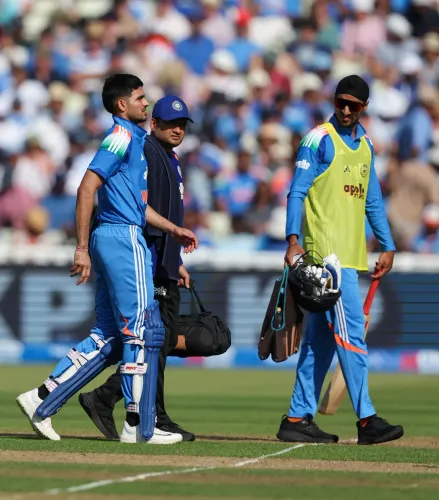
Despite the emphatic series victory — built on Shubman Gill's unbeaten 223 and Rohit Sharma's 101 — Gambhir expressed concern about the balance between bat and ball on such surfaces. 'If I have to be absolutely honest, I feel there has to be a bit more contest between bat and ball. This is not cricket, this is only batting,' he remarked.
He pointed to the structural constraints facing bowlers in modern ODIs — five fielders inside the 30-yard circle, two new balls, and the explosion in power-hitting — as factors that have tilted the playing field heavily in favour of batters. 'The margin is very small. Plus, with five fielders inside, two new balls, and the kind of power-hitting there is now, bowlers don't really have many options,' he noted.
How Gambhir Evaluates Young Bowlers Under Fire
The head coach stressed that performance metrics alone should not be the measure of a bowler in such conditions. 'As a coach, as a support staff, the first thing you look at is: were they able to execute their bowling or their plans properly? If they were able to do that, then you aren't that hard on them. If you get too hard just looking at their analysis, then we will never be able to develop bowlers,' Gambhir said.
He acknowledged the need to offer Nabi some leeway given the circumstances of his debut. 'Auqib Nabi was playing his first game. So somewhere, you need to give them a bit of support and keep a bit of an extra cushion for them. But unfortunately, there wasn't much for any bowler in this game,' he concluded.
The approach signals a clear coaching philosophy: for India to be World Cup-ready by 2027, its fast bowling options must be forged in competitive fires, not groomed in low-stakes settings.
Point of View
But it can also damage confidence if the exposure is unmanaged. The more substantive concern he raised — that current ODI conditions are structurally unfair to bowlers — is the one that deserves wider scrutiny. If coaches are forced to compensate for rule-design failures by hardening their bowlers through punishment outings, cricket's governing bodies, not just coaching staff, have questions to answer ahead of 2027.
NationPress
1 Oct 2026
Frequently Asked Questions
Why did Gautam Gambhir give Auqib Nabi his debut when India were 1-0 up?
Gambhir deliberately chose a high-stakes match over a dead rubber because he wanted Nabi to experience the pressure of a live series situation. He argued that a dead rubber does not replicate the kind of pressure that defines World Cup cricket.
How many runs did Auqib Nabi concede on his ODI debut?
Auqib Nabi conceded 84 runs in 8.5 overs on his ODI debut in Guwahati — the most by an India bowler on debut, surpassing Karsan Ghavri's 83 against England at Lord's in 1975.
What were Gurnoor Brar's bowling figures in Guwahati?
Gurnoor Brar conceded 96 runs in 10 overs and took two wickets on the flat Guwahati pitch. Despite the figures, Gambhir said the experience of bowling in tough conditions was more valuable than protecting his stats.
What concern did Gambhir raise about batting-friendly pitches?
Gambhir said current ODI conditions — five fielders inside the 30-yard circle, two new balls, and explosive power-hitting — leave bowlers with very few tactical options. He called for a better balance between bat and ball, describing flat pitches where teams chase 400-plus as 'not cricket, only batting'.
How does India's approach to fast bowlers connect to the 2027 ODI World Cup?
Gambhir sees exposing young fast bowlers like Auqib Nabi and Gurnoor Brar to competitive pressure situations as essential groundwork for the 2027 Men's ODI World Cup. His view is that technical skills matter less than the ability to perform under match-defining pressure, which can only be built through experience in live contests.