Gavaskar warns India's batters: 'Take responsibility or this team won't succeed'
Synopsis
Sunil Gavaskar didn't mince words after India's defeat to West Indies — calling out Abhishek Sharma, Ishan Kishan, and Shreyas Iyer by name, and prescribing a 240-to-250 first-innings total as the only safe path to a series win in Bengaluru on Saturday. For a back-to-back T20 World Cup champion side, the legend's verdict is unambiguous: batting failure is the problem, and it must end now.
Key Takeaways
Sunil Gavaskar criticised India's batting unit ahead of the T20I series decider vs West Indies in Bengaluru on Saturday .
Gavaskar identified India's inability to chase effectively under dew-assisted conditions as the central failure.
Abhishek Sharma , Ishan Kishan , and Shreyas Iyer were individually called out for poor contributions.
Gavaskar recommended India bat first and post 240 to 250 to secure the series win.
He urged patience with inexperienced bowlers, placing primary accountability for the result on the batting unit .
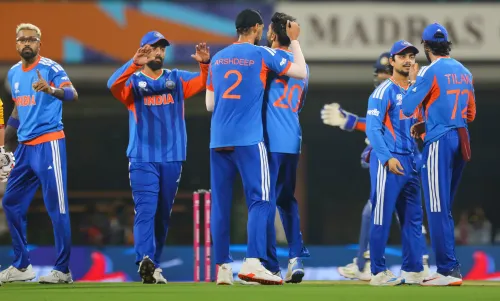
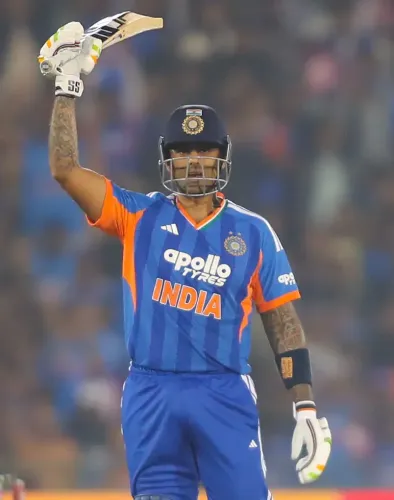
Cricket legend and former India captain Sunil Gavaskar has issued a sharp warning to India's batting unit ahead of the T20I series decider against West Indies at the M Chinnaswamy Stadium in Bengaluru on Saturday, saying the side's chronic struggles while chasing must be urgently addressed if the hosts are to clinch the series.
Gavaskar's Core Concern: Batting Responsibility
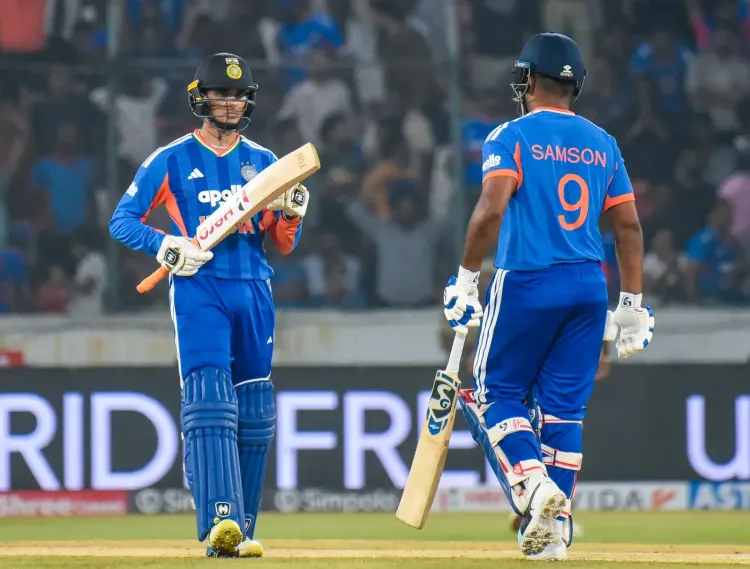
Speaking to JioStar after India's latest defeat, Gavaskar drew a pointed contrast between the team's status as back-to-back T20 World Cup champions and their underwhelming execution in the chase. He identified the inability of the middle order to capitalise on an early platform — provided by Sanju Samson — as the defining failure of the match.
'The first thing this Indian side needs to improve is how they chase. On a pitch like this, with the dew coming in, you have to show the kind of dominance with the bat that a back-to-back T20 World Cup winning team should, but that was missing completely in this game. Sanju gave India a great start, but the rest of the batters didn't capitalise at all,' Gavaskar said.
Individual Failures Under the Spotlight
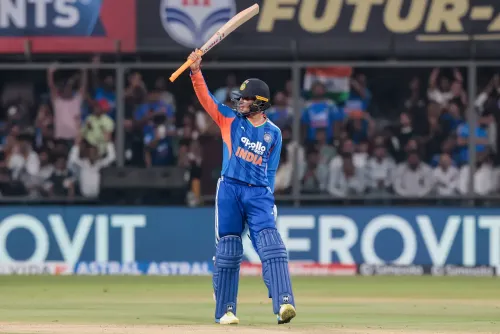
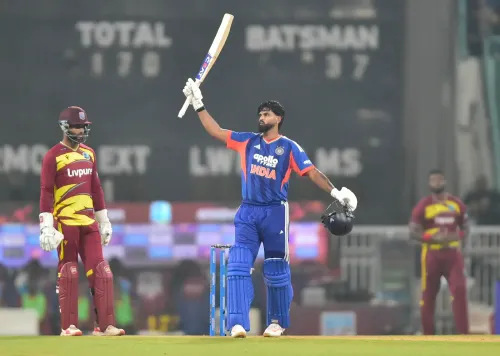
Gavaskar named specific players in his critique. He described Abhishek Sharma's dismissal as 'not acceptable by his standards,' pointed to Ishan Kishan's failure against Keemo Paul as walking into a trap, and noted that Shreyas Iyer has struggled to find consistent form since his century. Taken together, these individual lapses compounded into a collective batting collapse that allowed West Indies to wrest back control of the contest.
A Word of Context on India's Bowling
Notably, Gavaskar did not absolve the bowling unit entirely but offered a more measured assessment. He acknowledged that India's bowlers are inexperienced at the international level and argued that conceding boundaries is part of their learning curve. 'These bowlers are not experienced. They are new to international cricket, and they will need to get hit for boundaries, otherwise they will not learn,' he said — effectively placing the burden of the series result squarely on the batting side.
The Blueprint for the Decider
Gavaskar laid out a clear strategy for Saturday's series decider: bat first, post a total of 240 to 250, and then contain West Indies to a low score. His reasoning centred on the dew factor at Bengaluru, which makes defending totals progressively harder as the innings advances — a condition that has repeatedly worked against the chasing side in this series. 'If the batters don't take responsibility, this Indian side will not succeed,' he added, in what amounts to the starkest public accountability call ahead of a series finale.
What's at Stake at Chinnaswamy
The decider at the M Chinnaswamy Stadium on Saturday tests more than tactical adjustments — it is a referendum on India's ability to respond to pressure after a defeat. West Indies, by keeping the series alive with an impressive all-round display, have demonstrated they are capable of exploiting India's vulnerabilities. For a team that carries the weight of two consecutive World Cup titles, a home series loss to the Caribbean side would be a significant morale setback ahead of upcoming international commitments.
Point of View
Not generic — he named players, named the trap Kishan fell into, and named a target score. That directness reflects a broader anxiety in Indian cricket circles: a squad stocked with T20 specialists is somehow losing the plot in the format they are best equipped for. The dew factor is a legitimate tactical challenge, but it does not explain away a middle-order that failed to build on a solid opening platform. The more uncomfortable question is whether India's batting depth — long considered an embarrassment of riches — has quietly become a liability when conditions apply even modest pressure. Saturday's decider will either silence those doubts or amplify them.
NationPress
15 Oct 2026
Frequently Asked Questions
What did Sunil Gavaskar say about India's batting ahead of the T20I decider?
Gavaskar urged India's batting unit to take greater responsibility, warning that 'if the batters don't take responsibility, this Indian side will not succeed.' He specifically criticised the middle order's failure to capitalise on Sanju Samson's strong start in their previous defeat to West Indies.
Which Indian players did Gavaskar single out for criticism?
Gavaskar called out Abhishek Sharma for a 'poor knock not acceptable by his standards,' Ishan Kishan for falling into Keemo Paul's trap, and Shreyas Iyer for failing to find consistent form since his century.
What strategy did Gavaskar recommend for the series decider?
Gavaskar recommended that India bat first in the Bengaluru decider and post a target of 240 to 250, then restrict West Indies to a low total — a strategy designed to neutralise the dew factor that hampers chasing teams at the M Chinnaswamy Stadium.
Why is the dew factor significant in the Bengaluru T20I?
Dew in Bengaluru's evening conditions makes the ball harder to grip for bowlers, giving the chasing team an advantage as the innings progresses. Gavaskar argued this makes it essential for India to bat first and post a large total rather than chase.
When and where is the India vs West Indies T20I series decider?
The series decider is scheduled to take place at the M Chinnaswamy Stadium in Bengaluru on Saturday, 18 October 2025. The series is level after West Indies kept it alive with an impressive all-round performance in the previous game.