Glasgow 2026 CWG medals debut Reuleaux triangle design with braille, tartan motifs
Synopsis
Glasgow's 2026 Commonwealth Games medals are rewriting the playbook on inclusive design. The Reuleaux triangle shape, braille elements, and tartan-woven detailing don't just celebrate the city — they ensure every athlete, regardless of ability, feels the weight and significance of their achievement. It's a quiet revolution in how we think about sports honours.
Key Takeaways
Glasgow 2026 Commonwealth Games unveiled medals on 29 April featuring a Reuleaux triangle geometric shape, a first in Commonwealth Games history.
Medals designed by Militsa Milenkova , Glasgow School of Art Artist in Residence, originally from Bulgaria .
First Commonwealth Games medals to include braille and tactile elements , ensuring access for visually impaired athletes.
Design incorporates Glasgow's coat of arms, Finnieston Crane , and tartan patterns, celebrating industrial heritage and cultural identity.
Three surface levels represent the podium, designed to make the achievement moment tangible for recipients.
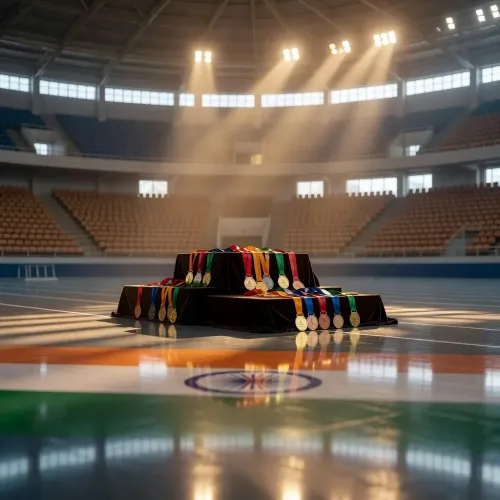
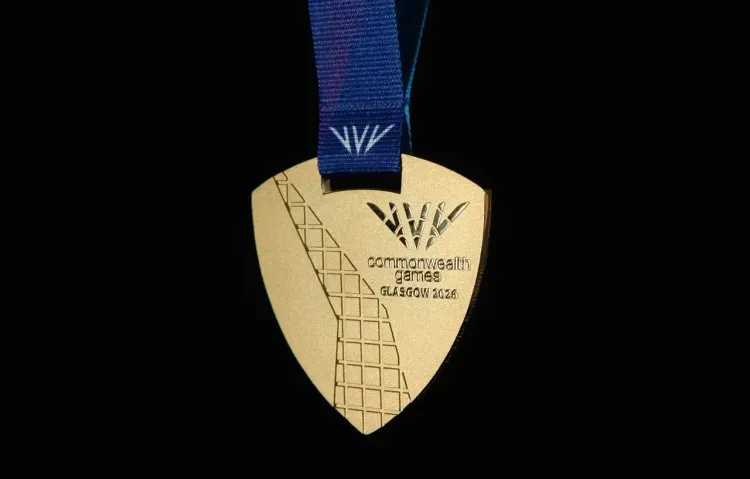
The organising committee of the 2026 Glasgow Commonwealth Games has unveiled the competition medals on Wednesday, April 29, marking the first time in Commonwealth Games history that podium honours will feature braille and tactile elements for inclusive access. The medals, crafted by award-winning artist and Glasgow School of Art Artist in Residence Militsa Milenkova, draw inspiration from the city's landmarks, coat of arms, industrial heritage, and cultural identity.
A geometric first: The Reuleaux triangle
The medal's defining feature is its Reuleaux triangle shape — a distinctive geometric form never before used in Commonwealth Games medal design. Every curve and angle honours Glasgow's identity, with the city's coat of arms, the iconic Finnieston Crane, and tartan patterns woven into the structural detailing. The three surface levels represent the podium, designed to evoke the significance of the moment for athletes.
Inclusion as tactile experience
For the first time in the Games' history, the medals incorporate braille alongside tactile surface elements, ensuring visually impaired athletes experience the honour through touch and feel. This marks a watershed moment in accessible sports design, moving beyond symbolic gestures to functional inclusion.
The artist's vision
Originally from Bulgaria, raised in Greece, and now based in Glasgow, Milenkova designed the medals to reflect the city as bold, unique, and distinctive. The design celebrates Scotland's creativity, industrial heritage, unity, and pride — positioning the medal not merely as a sporting trophy but as a cultural artefact tied to its host city.
What the medals symbolise
Each medal tells a story of place, pride, and inclusion. The design fuses Glasgow's industrial past — embodied in the Finnieston Crane, a symbol of the city's shipbuilding era — with its contemporary creative spirit. The inclusion of tartan references Scotland's cultural traditions, anchoring the Games within the broader Scottish identity.
The 2026 Games, a scaled-down version of the traditional Commonwealth Games format, will take place later this year in Glasgow. The medal unveiling signals the organising committee's commitment to making these Games a model for accessibility and cultural representation.
Point of View
But as foundational design. The Reuleaux triangle is bold, unconventional, and distinctly Scottish. If other Games organisers are watching, they should be. This is what inclusive design at scale looks like.
NationPress
19 Sept 2026
Frequently Asked Questions
What is unique about the Glasgow 2026 Commonwealth Games medals?
The medals feature a Reuleaux triangle shape, a distinctive geometric form never before used in Commonwealth Games design. They are also the first Commonwealth Games medals to include braille and tactile elements, making them accessible to visually impaired athletes.
Who designed the Glasgow 2026 medals?
The medals were designed by Militsa Milenkova, an award-winning artist and Glasgow School of Art Artist in Residence. Originally from Bulgaria and raised in Greece, Milenkova is now based in Glasgow.
What do the medal designs represent?
The medals draw inspiration from Glasgow's landmarks, coat of arms, industrial heritage, and cultural identity. They incorporate the Finnieston Crane, the city's coat of arms, and tartan patterns, celebrating Scotland's creative spirit and industrial past.
Why is the inclusion of braille significant for Commonwealth Games?
This is the first time in Commonwealth Games history that medals feature braille and tactile elements. This ensures visually impaired athletes can experience the medal through touch and feel, moving beyond symbolic inclusion to functional accessibility.
When will the Glasgow 2026 Commonwealth Games take place?
The scaled-down Games will take place later in 2026 in Glasgow, Scotland.