India finishes 4th at Aichi-Nagoya Asian Games with 85 medals, cricket takes double gold
Synopsis
India wrapped up the Aichi-Nagoya Asian Games with 85 medals and a fourth-place finish — but the headline numbers only hint at the story. Cricket swept double gold, Pranavi Urs made history in golf, and archery delivered five golds, all against a backdrop of venue chaos and transport headaches that tested Japan's famous efficiency.
Key Takeaways
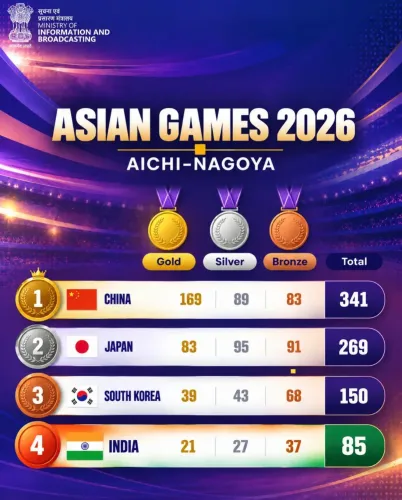
India finished 4th in the Aichi-Nagoya Asian Games 2026 medal table with 85 medals — 21 gold, 27 silver, 37 bronze .
Both the men's and women's cricket teams won gold , completing a rare double for India.
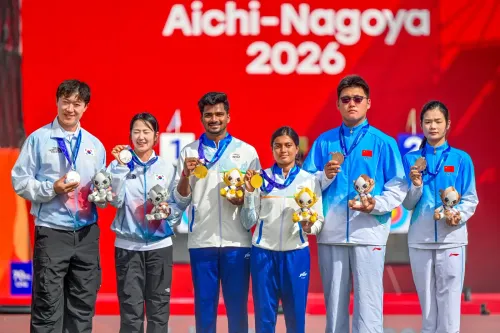
Archery was India's top discipline, delivering 5 gold medals ; boxing added 3 golds and wrestling contributed 2 .
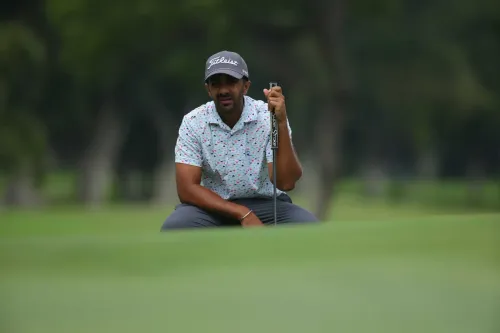
Pranavi Urs created history by winning India's first women's individual Asian Games golf gold .
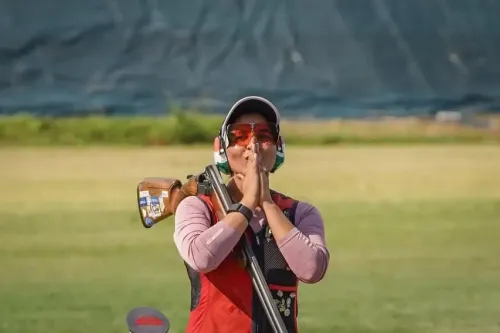
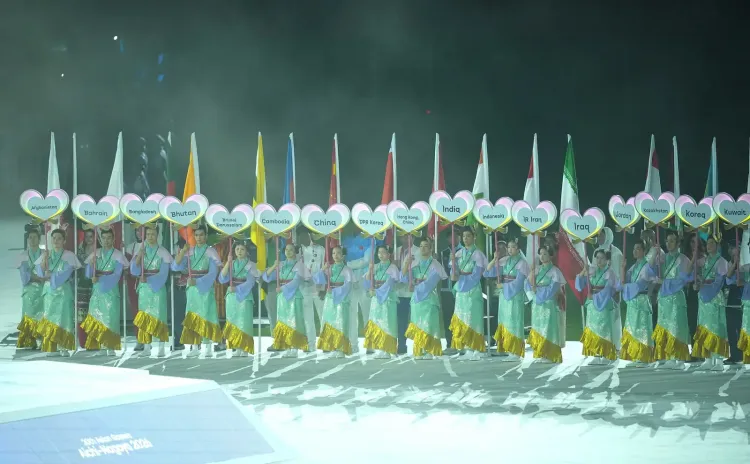
Shooter Neeru Dhanda carried the Tricolour as India's flagbearer at the closing ceremony.
The Games were marked by transport disruptions , large distances between venues and sparse crowds, drawing criticism of the host organisation.
India closed out the Aichi-Nagoya Asian Games on 4 October 2026 with a final tally of 85 medals — 21 gold, 27 silver and 37 bronze, securing fourth place in the overall standings behind China, Japan and South Korea. Shooter Neeru Dhanda led the Indian contingent as flagbearer at the closing ceremony, carrying the Tricolour into the stadium as the country reflected on a campaign that delivered across a wide range of disciplines.
Cricket Claims Double Gold
Among the most celebrated moments was India's sweep of the cricket gold medals. Both the men's and women's cricket teams returned with gold, underlining the sport's growing stature in the multi-sport arena. The women's team set the tone under the weight of expectation, while the men followed to seal a rare double. For Indian cricket, the Asian Games once again confirmed that its reach extends far beyond the traditional marquee tournaments.
Standout Performers Across Disciplines
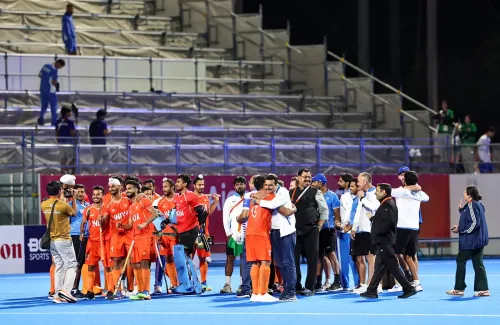
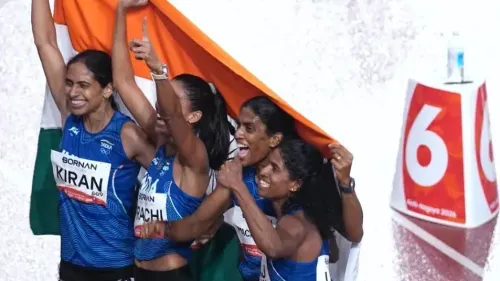
Archery was India's single most productive discipline, delivering a remarkable five gold medals. Boxing contributed three golds and wrestling added two. Both the men's and women's teams in hockey and kabaddi won gold, producing some of the loudest celebrations of the fortnight. Golf made history when Pranavi Urs won India's first women's individual Asian Games gold in the sport. Shooting remained one of India's most consistent medal-producing disciplines, with contributions also coming from weightlifting, badminton, squash, rowing, table tennis, sailing, wushu, kurash, MMA, soft tennis and athletics.
The Athletes Behind the Numbers
Beyond the medal count, India's campaign was defined by athletes who competed far from the spotlight. Early morning starts, long commutes to venues and hours of waiting preceded moments that may never make front pages — yet those athletes kept showing up. Some arrived as clear favourites and delivered; others were barely noticed before leaving as breakout names. The 21 golds represent years of training compressed into a few minutes of competition, and the breadth of sports contributing to the tally signals a widening base for Indian athletics.
Aichi-Nagoya's Organisational Challenges
Away from the competition itself, the Games attracted persistent criticism. Transport logistics proved a recurring frustration, with significant distances between venues adding strain on athletes, journalists and support staff alike. The absence of a traditional centralised athletes' village created logistical complications, while sparse crowds at several events dampened atmosphere. Japan, renowned for operational precision and efficiency, faced an unusually sharp spotlight throughout the fortnight. Yet, despite the disruptions, all competitions were completed, records were broken and the closing ceremony arrived on schedule — a result that, by the standards of large multi-sport events, represents a minimum credible outcome.
What India Takes Home
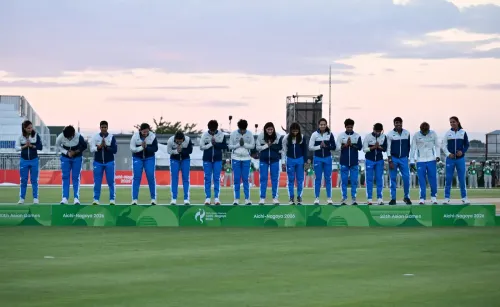
India's 85-medal haul will be entered into the record books, but the individual stories are likely to endure longer. A first national anthem heard on a podium. A coach's tears. A parent watching from the stands. A contingent walking together behind the Tricolour on the final night. Aichi-Nagoya was not a flawless Games, but the imperfections did not erase what the athletes achieved. India's next multi-sport milestone on the continental calendar will test whether this performance marks a genuine upward shift or a high-water mark.
Point of View
But the composition matters more than the count — the breadth of contributing sports suggests the medal base is genuinely widening rather than being propped up by a handful of disciplines. Cricket's double gold will dominate headlines, yet the more consequential signal is Pranavi Urs's historic golf gold and archery's five-medal sweep, disciplines that rarely generate primetime attention. The persistent organisational failures at Aichi-Nagoya — transport, crowd attendance, no athletes' village — raise a pointed question about whether the Asian Games model needs structural reform if it is to sustain athlete and audience investment. For India's Olympic planners, the harder task is translating continental success in non-Olympic sports into a roadmap for Paris and beyond.
NationPress
4 Oct 2026
Frequently Asked Questions
How many medals did India win at the Aichi-Nagoya Asian Games 2026?
India won 85 medals — 21 gold, 27 silver and 37 bronze — finishing fourth in the overall medal table. China topped the standings, followed by Japan and South Korea.
Did India win gold in cricket at the Asian Games 2026?
Yes. Both India's men's and women's cricket teams won gold at the Aichi-Nagoya Asian Games, completing a double for the country. The result reinforced cricket's growing footprint in the multi-sport arena.
Who created history in golf at the Asian Games 2026?
Pranavi Urs won India's first women's individual Asian Games gold in golf , making history for Indian sport at Aichi-Nagoya.
Who was India's flagbearer at the Aichi-Nagoya Asian Games closing ceremony?
Shooter Neeru Dhanda carried the Tricolour as India's flagbearer at the closing ceremony of the 2026 Asian Games in Nagoya.
What were the main problems with the organisation of the Aichi-Nagoya Asian Games?
The Games drew repeated criticism over transport logistics , large distances between venues, the absence of a centralised athletes' village and sparse crowd attendance at several events. Despite these issues, all competitions were completed and the closing ceremony took place as scheduled.