Asian Games gold proves India white-ball superpower, says BCCI's Saikia
Synopsis
India's 19-run defeat of Pakistan in the Asian Games cricket final was more than a gold medal — it was a statement. Abhishek Sharma's record-breaking 61 and Hasan Nawaz's heroic 96 made it a thriller, but India's depth in spin and finishing sealed a second straight continental title, with BCCI secretary Devajit Saikia declaring the side a white-ball superpower.
Key Takeaways
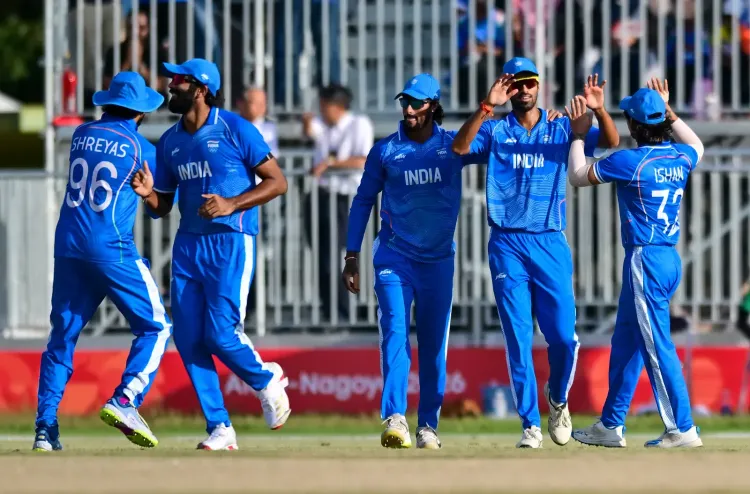
India beat Pakistan by 19 runs in the Asian Games men's cricket final at Korogi Sports Park, Nisshin on Saturday.
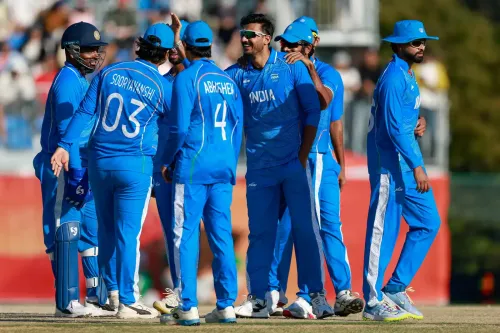
It is India's second consecutive men's cricket gold at the Asian Games.
Abhishek Sharma scored 61 off 28 balls , registering the fastest fifty by an Indian against Pakistan in T20 cricket — off just 20 balls .
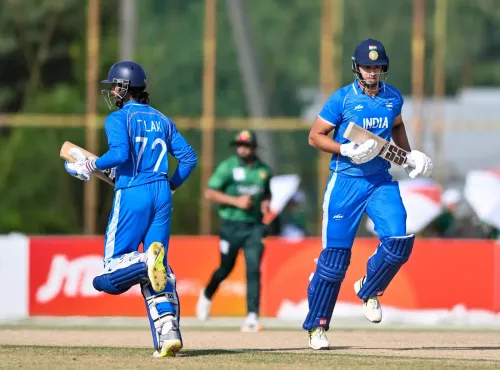
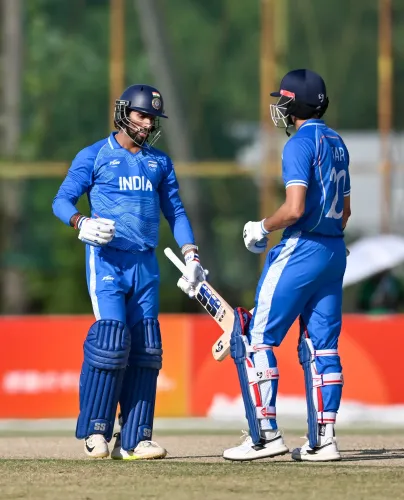
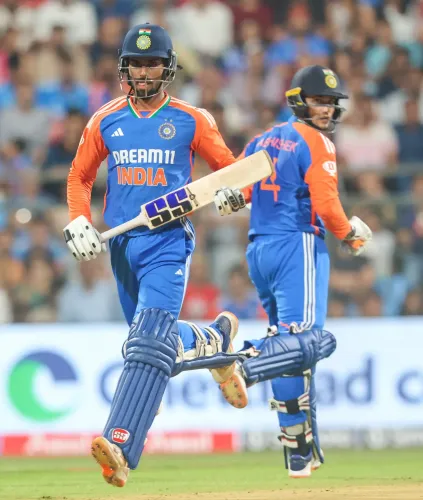
Tilak Varma contributed an unbeaten 51 off 22 and Shivam Dube added 27 off 15 ; their 62-run sixth-wicket stand powered India to 211 for 6 .
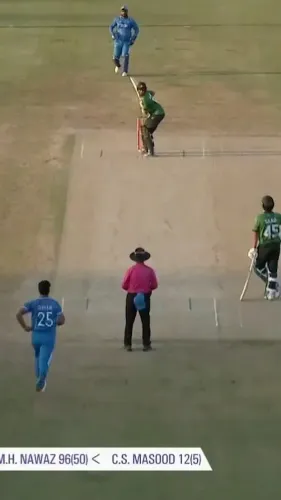
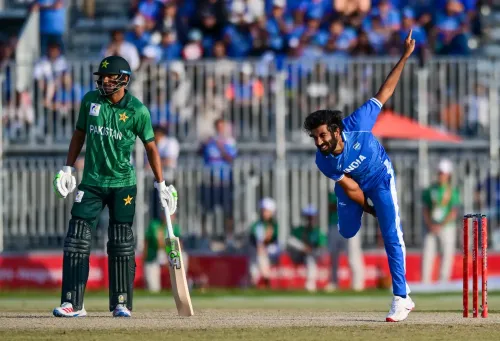
Hasan Nawaz scored a brilliant 96 off 51 balls for Pakistan, but Washington Sundar , Axar Patel , and Dube's final-ball wicket limited Pakistan to 192 all out .
BCCI secretary Devajit Saikia declared India a 'superpower in white-ball cricket nowadays.'
BCCI secretary Devajit Saikia on 3 October 2026 hailed India's men's cricket team after a commanding 19-run triumph over Pakistan in the Asian Games final at Korogi Sports Park, Nisshin, declaring that the victory cements India's status as a white-ball powerhouse on the world stage.
Saikia's Reaction
'It felt very good. A very delightful victory against Pakistan. It is always sweetest when we win the match against Pakistan, especially in all international tournaments. In the Asian Games, another gold came. So, I think India is a superpower in white-ball cricket nowadays,' Saikia said in an official statement.
The win handed India their second consecutive men's cricket gold at the Asian Games, reinforcing a pattern of dominance in limited-overs formats that has built steadily over the past decade.
How India Built 211 for 6
Captain Shreyas Iyer won the toss and elected to bat first, a decision that paid off handsomely. Despite the early loss of Vaibhav Sooryavanshi for 15 and Sanju Samson for 4, opener Abhishek Sharma launched a stunning Powerplay assault, smashing seven sixes and three fours to reach his fifty off just 20 balls — the fastest half-century by an Indian against Pakistan in T20 cricket.
Sharma eventually finished with 61 off 28 balls at a strike rate of 217.85. The innings was then anchored and accelerated in tandem by Tilak Varma, who struck an unbeaten 51 off 22, and Shivam Dube, who contributed 27 off 15. Their 62-run sixth-wicket stand proved decisive, with an 18-run over off Sufyan Moqim and a 23-run over off Saim Ayub propelling India to 211 for 6.
Pakistan's Spirited Chase Falls Short
Pakistan's reply was kept alive almost single-handedly by Hasan Nawaz, who produced a remarkable 96 off 51 balls in a counterattack that briefly threatened an upset. However, India's spin duo of Washington Sundar and Axar Patel kept a tight lid on the middle overs, and it was Dube who delivered the coup de grâce — dismissing Nawaz off the final ball of the match to leave Pakistan stranded at 192 all out, 19 runs short.
What the Win Means for Indian Cricket
This is the second straight Asian Games men's cricket gold for India, a feat that underscores the depth of the country's white-ball pipeline. Notably, the performance highlighted the emergence of a new attacking batting core — Sharma, Varma, and Dube — alongside the reliability of experienced spin assets. This comes amid India's broader push to field competitive teams across multi-sport events, a strategy that has begun to pay dividends in terms of squad depth and exposure.
With the next global white-ball cycle already on the horizon, India's talent pipeline looks well-stocked, and performances like this one will only add competitive edge ahead of future ICC tournaments.
Point of View
Tilak Varma — and established finishers delivered under knockout pressure signals that the white-ball pipeline is genuinely deep, not just headline-deep. That said, the margin of 19 runs flatters India slightly: Hasan Nawaz's 96 exposed middle-over bowling vulnerabilities that will need addressing before ICC events. Saikia's 'superpower' label is justified, but complacency has historically been the risk that follows such declarations.
NationPress
3 Oct 2026
Frequently Asked Questions
What was the result of the India vs Pakistan Asian Games 2026 cricket final?
India defeated Pakistan by 19 runs in the Asian Games men's cricket final at Korogi Sports Park, Nisshin. India posted 211 for 6 and bowled Pakistan out for 192 to claim the gold medal.
Who was the standout performer for India in the Asian Games final?
Abhishek Sharma was India's top performer, scoring 61 off 28 balls including seven sixes and three fours. His fifty off just 20 balls is the fastest by an Indian against Pakistan in T20 cricket.
Why is this Asian Games gold significant for Indian cricket?
It is India's second consecutive men's cricket gold at the Asian Games, a milestone that BCCI secretary Devajit Saikia says confirms India as a 'superpower in white-ball cricket.' The win also showcased the depth of India's emerging batting talent.
How did Pakistan nearly chase down India's total?
Hasan Nawaz single-handedly kept Pakistan's chase alive with a brilliant 96 off 51 balls. However, India's spinners Washington Sundar and Axar Patel controlled the middle overs, and Shivam Dube dismissed Nawaz off the final ball to seal the win.
What did BCCI secretary Devajit Saikia say about the win?
Saikia said the win was 'very delightful,' adding that victories over Pakistan are always extra special, particularly in international tournaments. He declared India a 'superpower in white-ball cricket nowadays' following the consecutive Asian Games gold medals.