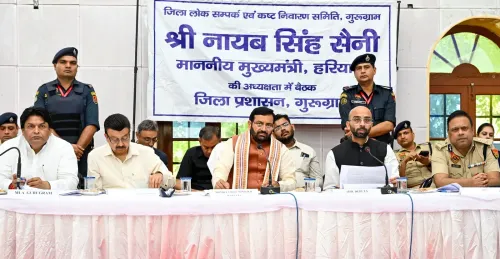
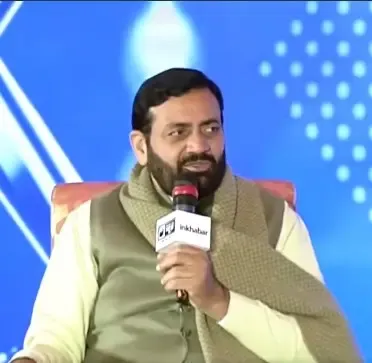
CM Nayab Saini: No grievance closed until citizen confirms satisfaction
Synopsis
Haryana Chief Minister Nayab Singh Saini has declared that no public grievance will be considered resolved until the affected citizen personally confirms satisfaction — setting a stricter, citizen-centric standard for the state's complaint-redressal system.
Key Takeaways
CM Nayab Singh Saini outlined a three-step grievance model: identify the problem, resolve it, then get citizen confirmation.
A complaint will not be marked 'disposed' until the citizen expresses satisfaction — a departure from standard bureaucratic practice.
Saini stated the government has mechanisms to both receive complaints and track resolution status.
The announcement was made on 3 October 2026 via a Hindi post on X.
The policy positions citizen satisfaction — not official action — as the definitive closure condition for grievances in Haryana.
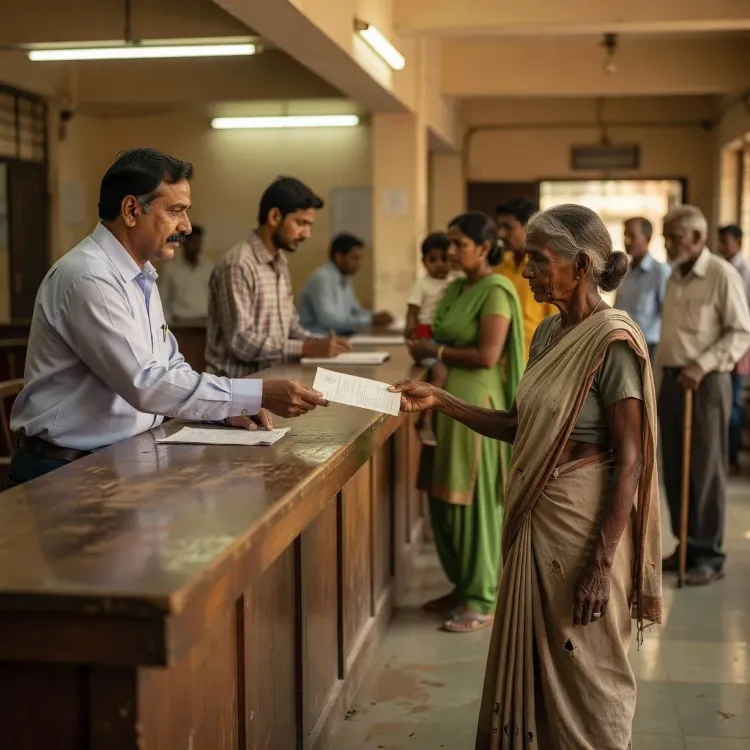
A complaint filed, a resolution attempted — and then, crucially, a callback to the citizen to confirm it actually worked. Haryana Chief Minister Nayab Singh Saini has laid out a three-step grievance-redressal philosophy for his government: know the problem, solve it, and only close it when the affected citizen says so.
Posting on Saturday, 3 October 2026, Saini wrote in Hindi: 'प्रदेश के परिवारजनों की समस्या की जानकारी, उसका समाधान और फिर नागरिक से उसकी पुष्टि' — roughly, 'Learn the problem of the state's families, solve it, and then get confirmation from the citizen.' The punchline: 'Until the citizen is satisfied, the grievance will not be considered resolved.'
The three-step standard Saini is setting
The framing is deliberately citizen-last — meaning the loop does not close at the bureaucrat's end but at the complainant's door. This is a meaningful shift in how government grievance systems typically operate, where a case is marked 'disposed' the moment an official action is logged, regardless of whether the underlying problem was fixed.
Saini indicated that his government has systems in place — or is building them — to both receive complaints and track their resolution status. The post cuts off mid-sentence, suggesting it was part of a longer thread, but the governing principle is stated plainly: citizen satisfaction is the only valid closure condition.
Why the 'satisfaction-first' benchmark matters
Grievance redressal has long been one of the weakest links in state administration across India. The gap between a complaint being 'disposed' on a portal and a problem being genuinely fixed on the ground is a persistent frustration for ordinary residents. By making citizen confirmation the mandatory final step, Saini is raising the bar — and implicitly acknowledging that official action alone is not the same as actual resolution.
Whether the infrastructure to operationalise this standard — outbound confirmation calls, satisfaction surveys, re-opening mechanisms — is already in place or still being built is not specified in the post. But the political intent is unambiguous: accountability travels all the way back to the family that filed the complaint.
Point of View
He is trying to institutionalise accountability rather than leave it to individual officials. The harder test will be operational: whether Haryana's administrative machinery has the capacity to do outbound confirmation at scale, or whether the principle remains aspirational. Either way, the benchmark he has publicly set will be the one his administration is judged against.
NationPress
3 Oct 2026
Frequently Asked Questions
What is Haryana CM Nayab Singh Saini's new grievance redressal policy?
CM Saini has announced that public complaints in Haryana will only be considered resolved after the citizen who filed the grievance personally confirms satisfaction with the outcome — official action alone will not be sufficient to close a case.
How is Haryana's grievance system different from other states?
Most state grievance portals mark a complaint 'disposed' once an official logs an action. Saini's stated standard adds a mandatory third step — citizen confirmation — before closure is recognised, making the citizen the final decision-maker on resolution.
When did CM Nayab Saini announce this grievance policy?
The announcement was made on Saturday, 3 October 2026 , through a post on X (formerly Twitter).
What does 'citizen satisfaction as closure condition' mean in practice?
It means a grievance filed with the Haryana government cannot be officially closed unless the complainant — the actual affected resident — confirms that their problem has been solved to their satisfaction.
Is Nayab Saini the current Chief Minister of Haryana?
Yes, Nayab Singh Saini of the BJP is the Chief Minister of Haryana as of October 2026.